
 Tiếng Việt


Laboratory Equipment


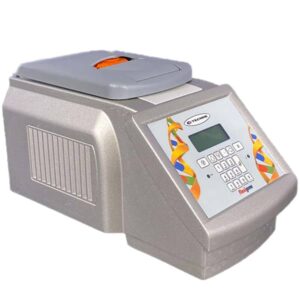
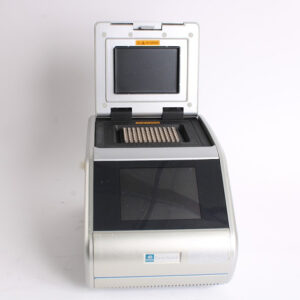
GTQ Cycler 96 Bruker PCR Services Include:
✅ Maintenance ✅ Temperature Verification / Thermal Calibration
Advantages of GTQ Cycler 96 Bruker PCR Maintenance and Calibration Services:
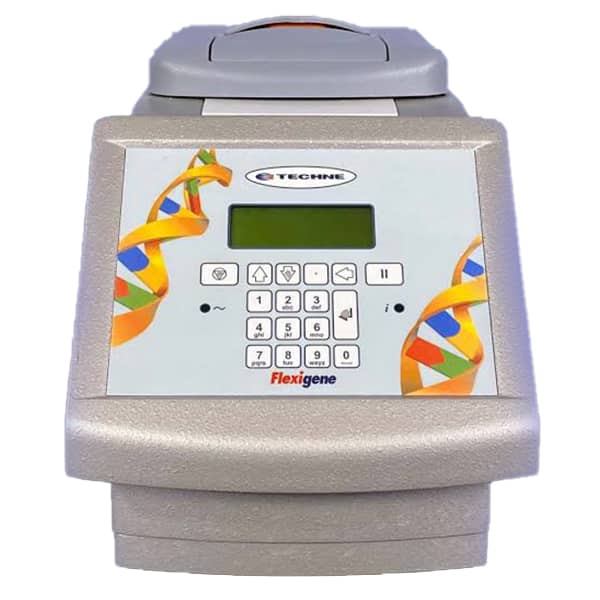
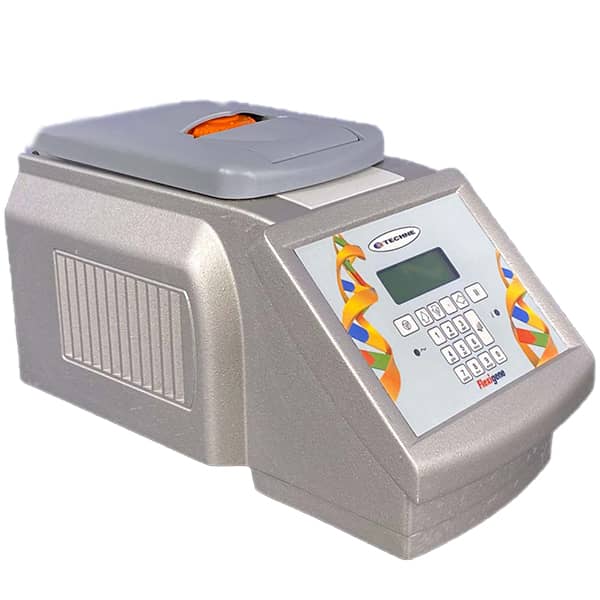
The FlexiGene PCR thermal cycler, manufactured by Techne and distributed through the Cole-Parmer system, is a familiar instrument in many molecular biology laboratories. Like any precision heating instrument, the FlexiGene can deliver reliable results only when it is properly maintained and calibrated on schedule. This article explains why FlexiGene maintenance is necessary, what tasks should be performed, when they should be carried out, and how to choose a suitable service provider.
PCR is highly sensitive to temperature. Even a deviation of a few tenths of a degree Celsius during the primer annealing step can reduce amplification efficiency, weaken specific bands, or produce additional nonspecific bands. One important point to remember is that the temperature displayed on the instrument is simply the value reported by its own sensor. It does not confirm that the sample inside the tube has actually reached that temperature.
Over time, several factors can cause the FlexiGene to drift out of specification. These include sensor drift, dust and residue accumulating in the wells and interfering with heat transfer, contamination on the contact surfaces between the tubes and the heating block, and uneven pressure from the heated lid. These changes can occur gradually while the instrument continues to operate normally, making them difficult for users to detect until an experiment fails.
You may also be interested in: Laboratory Equipment Calibration
It is important to distinguish between two activities. Maintenance keeps the instrument clean, safe, and mechanically sound. Calibration involves comparing the temperature reported by the instrument with an independent, traceable reference standard to verify its accuracy and determine whether any adjustment is necessary. Both are essential to ensure that the FlexiGene is not only clean but also accurate.
Regular maintenance and calibration provide several practical benefits for laboratories:
The following is a suggested maintenance schedule for the FlexiGene. It is intended as a practical reference and should be checked against the operating manual supplied with the instrument:
Before calibration, clean the instrument to eliminate contamination as a possible source of measurement error. Disconnect the power supply and wait until the heating block and lid have cooled to below 50°C. Then clean the wells using a cotton swab or soft cloth moistened with isopropyl alcohol or ethanol. Avoid using acetone or abrasive cleaning agents. Similar precautions are described in the manuals for several Techne instruments from the same generation. However, the specific documentation for the FlexiGene should still be consulted before proceeding.
A standard temperature verification procedure includes the following steps:
Temperature adjustment functions are generally available through service settings intended for qualified engineers and may require special access permissions. Routine users should not attempt these adjustments themselves. Technical forum discussions also show that FlexiGene users have questions about service documentation and heating block calibration, highlighting a practical challenge that laboratories may find difficult to resolve independently.
You can refer to: Laboratory equipment repair services
Routine cleaning and daily monitoring are tasks that laboratory users should perform themselves. However, temperature calibration requires certified reference equipment, knowledge of the instrument’s design, and access to the appropriate service settings. A professional service provider can offer the following advantages:
If your laboratory uses a FlexiGene PCR thermal cycler, schedule maintenance and calibration today to help protect the quality and reliability of every PCR reaction. Contact a reputable service provider for guidance on a maintenance and calibration procedure suited to your instrument and laboratory requirements.

Applied Biosystems

Applied Biosystems
Applied Biosystems
Applied Biosystems
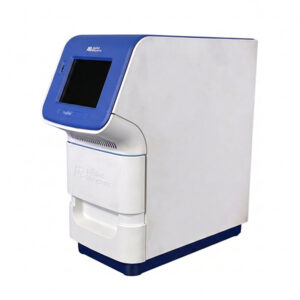
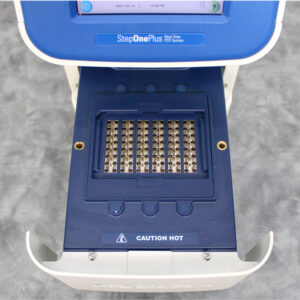
Maintenance and Calibration of ABI StepOnePlus Real Time PCR System






Reviews
There are no reviews yet.