
 Tiếng Việt


Laboratory Equipment



GTQ Cycler 96 Bruker PCR Services Include:
✅ Maintenance ✅ Temperature Verification / Thermal Calibration
Advantages of GTQ Cycler 96 Bruker PCR Maintenance and Calibration Services:
Maintenance and calibration of the GTQ Cycler 96 Bruker PCR system are critical factors that determine the accuracy of every nucleic acid amplification result, directly impacting the quality of molecular diagnostics and the reputation of the laboratory. This article explains why routine maintenance and calibration are essential, outlines the temperature verification process, and provides guidance on selecting a professional service provider to ensure reliable and long-lasting instrument performance.
The GTQ Cycler 96 Bruker PCR system (manufactured by Hain Lifescience GmbH) is a dedicated thermal cycler designed for DNA and RNA amplification prior to hybridization or detection steps in GenoType and GenoQuick assays. Because the entire PCR process depends almost entirely on the accuracy of thermal cycling conditions, even a minor deviation in temperature or heating time can result in amplification failure or inaccurate test results.
You may also be interested in: Laboratory Equipment Calibration
Several key reasons make routine maintenance and calibration mandatory rather than optional:
In other words, maintenance and calibration are not merely technical procedures; they form the foundation for ensuring that every result generated by the GTQ Cycler 96 Bruker PCR system is reliable, reproducible, and suitable for clinical diagnostic applications.
Waiting until a PCR system develops a fault before taking corrective action can expose a laboratory to testing interruptions, data loss, and costly emergency repairs. For this reason, implementing a preventive maintenance and calibration schedule is widely regarded as a proactive strategy that offers significant operational benefits.
Routine cleaning of the thermal block, inspection of cooling fans, lubrication of mechanical components, and software updates in accordance with manufacturer recommendations help ensure long-term stability and minimize unexpected equipment failures.
A PCR system that undergoes regular maintenance and calibration can consistently maintain temperature accuracy within the specified tolerance range (approximately ±0.4°C) while preserving thermal uniformity across all 96 wells. This helps ensure consistent results between runs and supports data comparison, analysis, and reporting in accordance with Good Laboratory Practice (GLP) requirements.
Laboratories accredited to ISO 15189 or equivalent standards are required to maintain complete records of equipment maintenance and calibration, including documented service dates and valid calibration certificates. These records serve as critical evidence during audits, inspections, and accreditation renewals.
Compared with emergency repairs or complete equipment replacement, the cost of routine maintenance and calibration is generally much lower. A modest but consistent investment can help laboratories avoid substantial unexpected expenses in the future.
As a general recommendation, the GTQ Cycler 96 Bruker PCR system should undergo preventive maintenance at least once every six months and comprehensive temperature calibration at least once per year, or more frequently in high-throughput laboratories.
Among all maintenance and calibration activities performed on the GTQ Cycler 96 Bruker PCR system, temperature verification and calibration are considered the most critical. Every nucleic acid amplification reaction depends directly on accurate thermal cycling during denaturation, annealing, and extension steps at specific temperatures.
Temperature verification and calibration should always be performed by qualified personnel using calibrated measurement equipment to ensure objectivity and confidence in the results.
You can refer to: Laboratory equipment repair services
Although basic cleaning tasks may be performed by laboratory staff, advanced maintenance and calibration of the GTQ Cycler 96 Bruker PCR system should be entrusted to experienced and authorized service providers.
Professional service engineers are often trained directly by Bruker or Hain Lifescience and possess a thorough understanding of the design, operating principles, and common issues associated with the GTQ Cycler 96 platform. This expertise enables rapid and accurate troubleshooting.
Reputable service providers utilize reference instruments that are regularly calibrated and fully traceable to recognized measurement standards, ensuring that calibration results are scientifically valid and legally defensible.
When replacement of temperature sensors, cooling fans, or other components is required, professional service providers use genuine parts to maintain compatibility and preserve the original performance specifications established by the manufacturer.
Following each maintenance and calibration service, laboratories receive detailed calibration certificates. These documents are essential for demonstrating compliance during quality assessments, including ISO 15189 accreditation audits and regulatory inspections.
Professional service organizations typically follow structured maintenance schedules and standardized procedures, allowing laboratories to plan service activities efficiently while minimizing disruption to routine testing operations.
Maintenance and calibration of the GTQ Cycler 96 Bruker PCR system not only help extend instrument lifespan but also play a vital role in ensuring the accuracy and reliability of molecular testing results. Establishing a preventive maintenance schedule, performing temperature calibration according to validated procedures, and partnering with an authorized professional service provider can help laboratories maintain operational stability, comply with quality standards, and optimize long-term operating costs.

Applied Biosystems

Applied Biosystems
Maintenance & Calibration
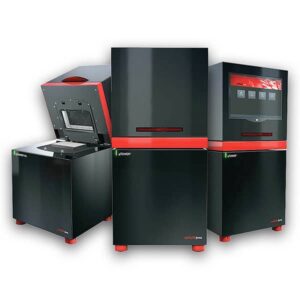
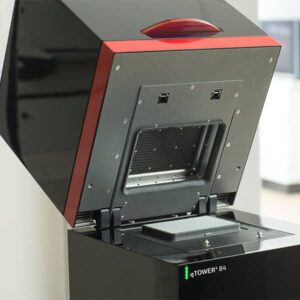
Maintenance and Calibration of the Analytik Jena qTOWER Real-Time PCR System
Applied Biosystems
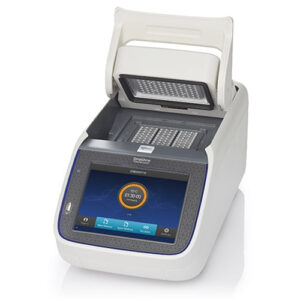
Maintenance and Calibration of Veriti, Veriti DX, and ViiA7 PCR Systems
Applied Biosystems








Reviews
There are no reviews yet.