
 Tiếng Việt


Laboratory Equipment


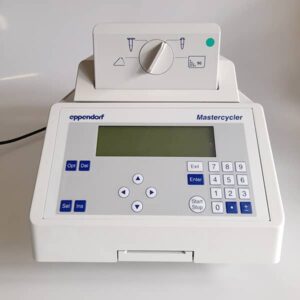
Maintenance and Calibration Services for the Eppendorf Mastercycler Gradient PCR Thermal Cycler Include
Advantages of the Eppendorf Mastercycler Gradient PCR Thermal Cycler Maintenance and Calibration Service
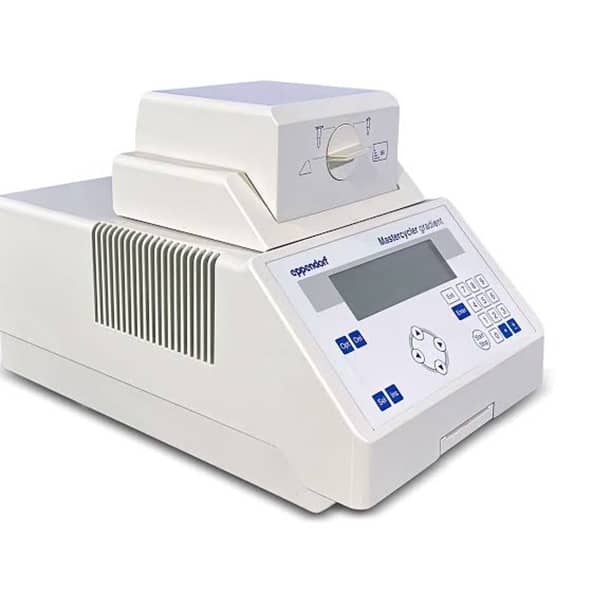
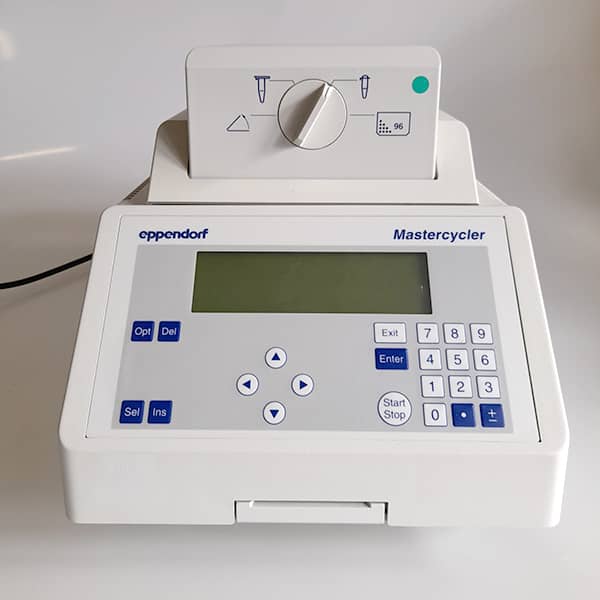
The Eppendorf Mastercycler Gradient PCR thermal cycler is an important piece of equipment in many molecular biology laboratories. Maintaining its temperature accuracy and consistent performance is essential for ensuring reliable polymerase chain reaction (PCR) results. This article provides a detailed overview of the maintenance and calibration requirements for this instrument series in accordance with technical specifications.
PCR thermal cyclers operate by precisely controlling temperature through denaturation, primer annealing, and extension cycles. The Eppendorf Mastercycler Gradient features a gradient function that allows different temperatures to be set across the heating block to optimize reaction conditions. However, after prolonged use, components such as temperature sensors, Peltier elements, the heated lid, and cooling fans may wear out or become misaligned.
Without regular maintenance and calibration, the actual temperature across the heating block may deviate from the programmed settings. Even a deviation of just a few tenths of a degree can significantly affect primer annealing efficiency, potentially resulting in false-negative or false-positive results or reduced amplification yield. In addition, dust and sample residue accumulating on the heating block or heated lid can interfere with uniform heat transfer between wells.
Maintenance helps identify early signs of damage, such as temperature sensor errors or reduced heating and cooling performance. Calibration ensures that the instrument continues to meet the manufacturer’s original technical specifications. This is particularly important for laboratories with strict requirements for result reproducibility and compliance with quality management systems.
Neglecting maintenance also increases the risk of unexpected equipment failures, which can interrupt laboratory operations and result in repair costs far higher than those of routine maintenance. Therefore, maintenance and calibration are not merely recommendations but essential measures for maintaining the long-term reliability of the Eppendorf Mastercycler Gradient PCR thermal cycler.
Regular maintenance offers several practical benefits for users of the Eppendorf Mastercycler Gradient PCR thermal cycler. First, it helps maintain temperature uniformity across the entire heating block. Good temperature uniformity ensures that all samples in the same reaction run are exposed to equivalent temperature conditions, thereby improving reproducibility between runs.
Second, routine maintenance helps extend the instrument’s service life. Regular cleaning, inspection of electrical connections, software updates, and functional checks of individual components help minimize unnecessary wear and tear. Manufacturer maintenance services typically include cleaning the main module, inspecting the instrument housing, cleaning the heated lid, checking internal components, and reviewing stored data.
Third, calibration and temperature verification help laboratories meet quality management requirements. Many laboratories need to maintain certification records for internal and external audits. Maintenance reports and calibration certificates provide objective evidence of the instrument’s operating condition.
Finally, regular maintenance helps minimize instrument downtime. When technical issues are detected early, technicians can address them promptly instead of waiting for an emergency repair. This is particularly important for laboratories handling high workloads or carrying out critical research projects.
Overall, regular maintenance and calibration not only protect the investment in laboratory equipment but also safeguard the quality of research and diagnostic data. These procedures are essential for helping laboratories maintain their credibility and operational efficiency over the long term.
Temperature verification and calibration are the most important steps in the maintenance process for the Eppendorf Mastercycler Gradient PCR thermal cycler. Temperature accuracy and uniformity across the heating block directly determine the quality of PCR reactions.
Temperature verification typically involves a specialized temperature verification system. This system uses high-accuracy temperature sensors positioned at representative locations across the heating block. The instrument is operated at standard verification temperatures, such as 35°C and 95°C. The measured values are then compared with the temperatures displayed by the instrument and the reference values of the sensors.
For the Eppendorf Mastercycler Gradient series, temperature control accuracy is generally expected to be approximately ±0.2°C when the gradient function is disabled. Temperature uniformity across the heating block is also carefully evaluated. If any deviations exceed the allowable limits, technicians will adjust the temperature control system accordingly.
Calibration must be performed with the heated lid securely closed to simulate actual operating conditions. After adjustments are made, the instrument must be verified again to confirm the results. The entire process is documented in a service report and confirmed with a service label.
You may also be interested in: Laboratory Equipment Calibration
In addition to temperature verification, the maintenance procedure includes checking the heated lid, cooling fan, keypad, display, and connection ports. Thorough cleaning of the heating block and heated lid helps remove residue that could affect heat transfer. Together, these steps form a comprehensive maintenance procedure to ensure that the instrument operates within the manufacturer’s technical specifications.
Users should follow the recommended maintenance schedule, which is typically once a year or based on the number of operating cycles, depending on actual usage. Proactive monitoring and periodic temperature verification help identify abnormalities early, before they affect experimental results.
Performing maintenance on the Eppendorf Mastercycler Gradient PCR thermal cycler without proper training can involve considerable risks because the instrument contains sensitive components and requires specialized tools. Professional maintenance and calibration services offer several important advantages.
First, technicians who have received official manufacturer training understand the design and technical specifications of each instrument series. They use measurement equipment calibrated to internationally recognized standards, ensuring reliable temperature verification results.
Second, professional services provide complete technical documentation, including inspection checklists, maintenance reports, and service labels showing the date of service. These documents are important when laboratories need to demonstrate compliance during quality audits.
Third, authorized or manufacturer-approved service providers typically use genuine spare parts to ensure compatibility and durability. Using non-genuine replacement components may lead to additional equipment failures or reduced instrument performance.
Fourth, many service packages include preventive maintenance and priority technical support when problems occur. This helps minimize instrument downtime and keep long-term operating costs under control.
You can refer to: Laboratory equipment repair services
Finally, choosing a professional service provider demonstrates a laboratory’s commitment to data quality. Reliable PCR results depend not only on the skills of laboratory personnel but also on the technical condition of the equipment. Only when the instrument is properly maintained and calibrated can research activities deliver reliable and meaningful results.
In conclusion, regular maintenance and calibration of the Eppendorf Mastercycler Gradient PCR thermal cycler are essential for maintaining temperature accuracy, reproducibility, and equipment service life. Following the correct procedures and choosing a qualified service provider will help laboratories operate more efficiently and reliably in both research and practical applications.
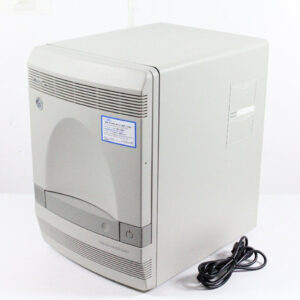
Applied Biosystems
Maintenance and Calibration of the ABI 7300 Real Time PCR System

Applied Biosystems

Applied Biosystems
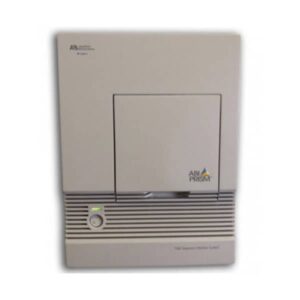
Applied Biosystems








Reviews
There are no reviews yet.