
 Tiếng Việt


Laboratory Equipment


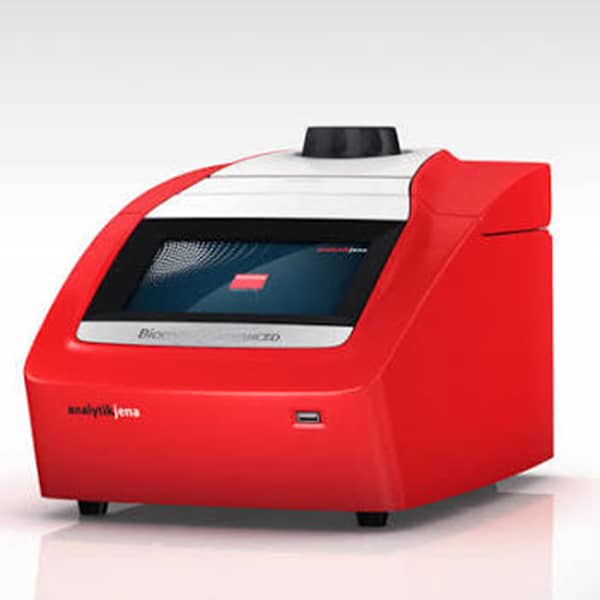
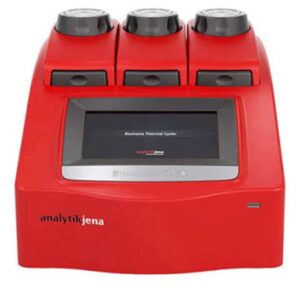
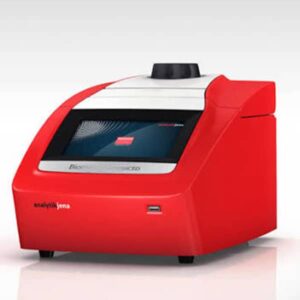
Tone PCR Services Include:
✅ Maintenance ✅ Temperature Verification / Thermal Calibration
Advantages of The Tone PCR Maintenance and Calibration Services:
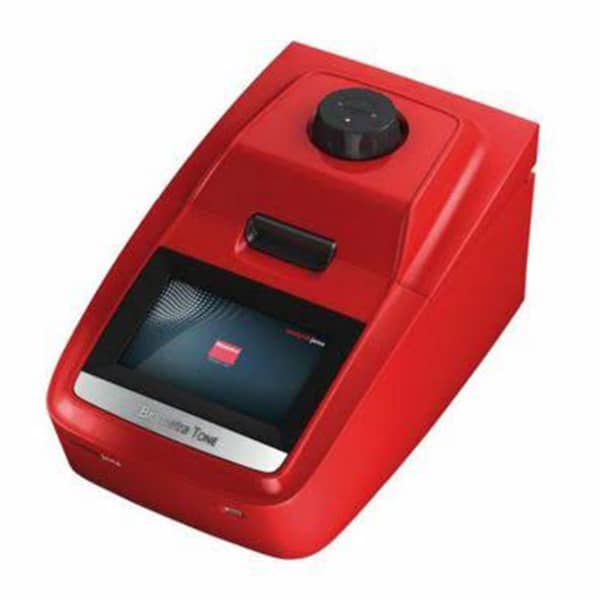
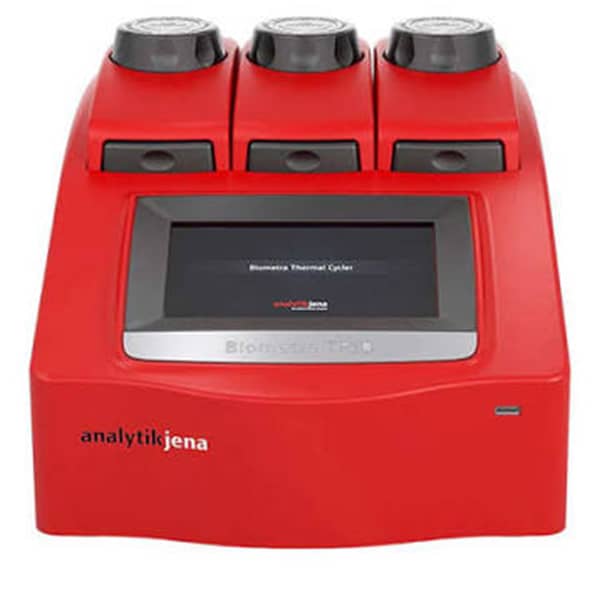
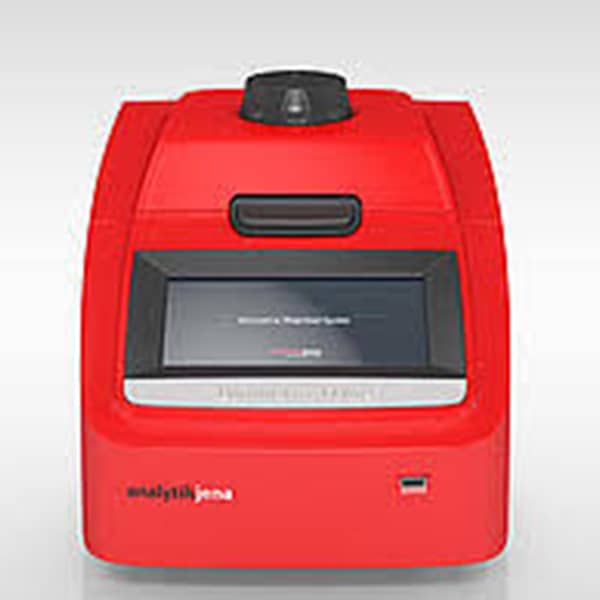
The Biometra Analytik Jena Tone PCR System is a thermal cycler equipped with a special aluminum alloy block with a 96-well capacity, supporting an average heating rate of 3.7 to 4.0°C per second and excellent temperature uniformity.
Regular maintenance and calibration of the Tone PCR system help maintain accurate technical specifications and ensure precise block temperature control in either Block Control or Sample Control mode. This article provides detailed technical guidance on maintenance procedures, temperature calibration, and recommendations for laboratory personnel operating the instrument.
You may also be interested in: Laboratory Equipment Calibration
The Tone PCR system is designed with Peltier heating technology and a high-quality aluminum alloy thermal block, enabling rapid and precise temperature changes throughout the DNA amplification process.
However, after prolonged operation, components such as cooling fans, Peltier modules, and temperature sensors may be affected by dust accumulation, wear, or technical drift. This can reduce temperature accuracy and uniformity across sample well positions, ultimately affecting amplification efficiency and the reliability of test results.
Regular maintenance and calibration help assess the instrument’s operating condition, identify deviations at an early stage, and implement corrective actions before analytical performance is affected.
For the Tone PCR system, routine inspections play a critical role in maintaining temperature accuracy and thermal uniformity across the entire thermal block, ensuring that all samples are processed under identical conditions according to the programmed protocol. This is essential for maintaining testing quality, improving result reliability, and extending instrument lifespan.
Regular maintenance and calibration are essential for ensuring stable performance of the Tone PCR system and maintaining the reliability of test results. During routine operation, the cooling system, temperature sensors, and heating components may be affected by contamination, wear, or gradual performance changes over time. Without periodic inspection, these deviations can reduce thermal cycling accuracy and negatively impact DNA amplification quality.
Routine maintenance includes cleaning the ventilation system, inspecting the thermal block, temperature sensors, and heated lid mechanism to ensure uniform temperature distribution across the entire sample block. This helps maintain consistent heating and cooling performance while minimizing temperature variations between reaction wells.
In addition, regular calibration verifies that actual temperature values remain within the technical specifications established by the manufacturer.
Evaluation of temperature accuracy, uniformity across sample positions, and heating system performance is necessary to ensure highly reproducible PCR results. In molecular biology applications requiring stringent precision, even minor temperature deviations can affect amplification efficiency and data quality.
Beyond maintaining instrument accuracy, routine maintenance and calibration also reduce the risk of unexpected failures, minimize laboratory downtime, extend component lifespan, and support compliance with quality management requirements in modern laboratory environments.
Therefore, laboratories should establish maintenance schedules appropriate to instrument usage frequency to ensure that the PCR system consistently operates at optimal performance.
Temperature verification and calibration are critical procedures to ensure accurate operation of the Tone PCR system and maintain the stability of thermal cycling programs.
During this process, technicians use calibrated, traceable temperature measurement devices to evaluate thermal block accuracy at multiple representative positions across the sample block.
The instrument is tested at various temperature setpoints throughout its operating range to determine temperature accuracy, well-to-well uniformity, and its ability to maintain programmed temperatures. Measured values are compared with the manufacturer’s specifications to identify deviations that could affect DNA amplification performance.
For Tone PCR models equipped with Gradient functionality, calibration also includes evaluating the accuracy of the temperature gradient across the entire sample block. This ensures that each row of wells receives the intended temperature, supporting PCR optimization and improving experimental reliability.
In addition to the main thermal block, technicians verify heated lid performance, heating and cooling rates, long-term temperature stability, and the overall performance of the thermal control system. These parameters are essential for preventing condensation and maintaining consistent reaction conditions across all samples.
Upon completion of the inspection process, all collected data are analyzed and documented in a calibration report. This report provides detailed information regarding instrument performance, recorded deviations, and any corrective adjustments performed, enabling laboratories to monitor instrument performance over time and meet quality management requirements.
The Tone PCR system is a molecular biology instrument that requires a high degree of temperature accuracy and operational stability. Choosing professional maintenance and calibration services helps ensure that the instrument continues to operate according to the manufacturer’s specifications while minimizing the risk of errors that could impact test results.
Professional service providers employ trained technicians with extensive experience in diagnosing and servicing PCR heating systems, temperature sensors, and control modules. Using specialized measurement equipment and standardized inspection procedures, they can accurately assess instrument condition, identify early signs of performance degradation, and implement appropriate corrective actions.
In addition to inspection and calibration, professional services may include software updates, comprehensive system evaluations, and replacement of genuine spare parts when necessary. These measures help maintain stable instrument performance, extend component lifespan, and minimize laboratory downtime.
You can refer to: Laboratory equipment repair services
Another important benefit is the provision of complete maintenance records and calibration certificates, allowing laboratories to easily track instrument history, comply with quality management requirements, and support internal audits or laboratory accreditation processes.
Combining routine maintenance with professional calibration services not only preserves the accuracy of the Tone PCR system but also helps ensure the consistency, reliability, and reproducibility of test results in molecular biology applications. It is a valuable investment that protects long-term instrument performance and enhances overall laboratory quality.
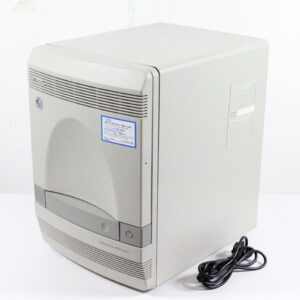
Applied Biosystems
Maintenance and Calibration of the ABI 7300 Real Time PCR System
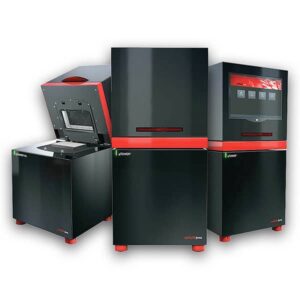
Maintenance & Calibration
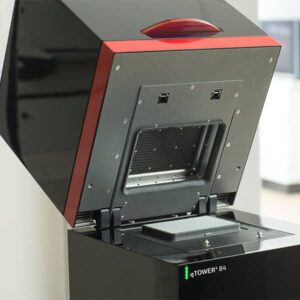
Maintenance and Calibration of the Analytik Jena qTOWER Real-Time PCR System
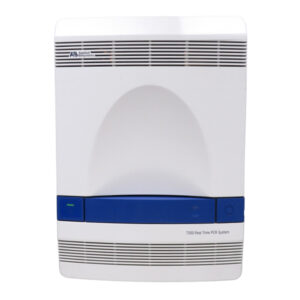
Applied Biosystems
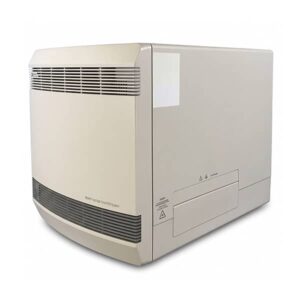
Maintenance and Calibration for the 7500 Real Time PCR System
Applied Biosystems
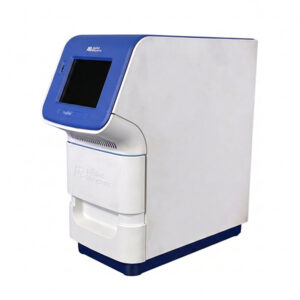
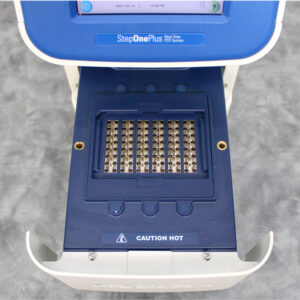
Maintenance and Calibration of ABI StepOnePlus Real Time PCR System
Applied Biosystems








Reviews
There are no reviews yet.