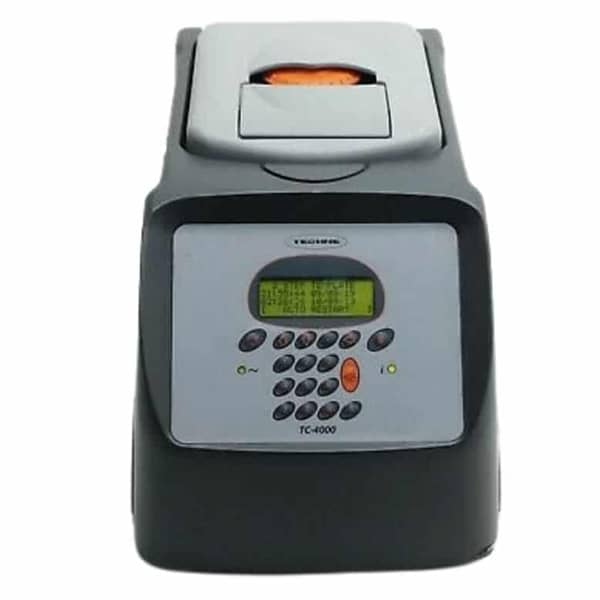
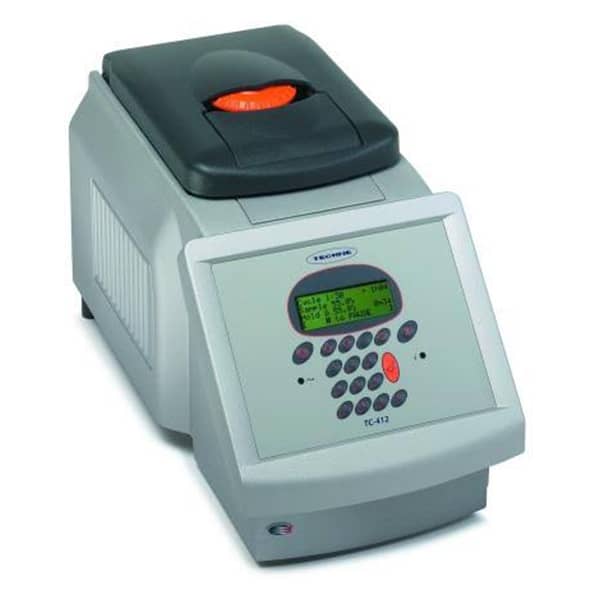
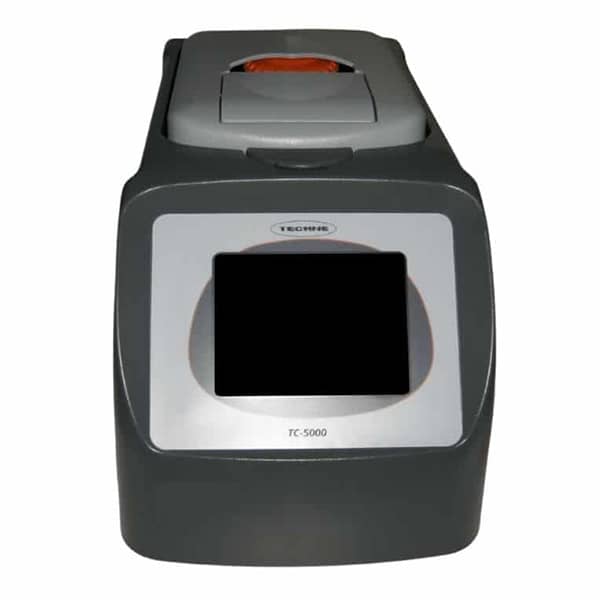
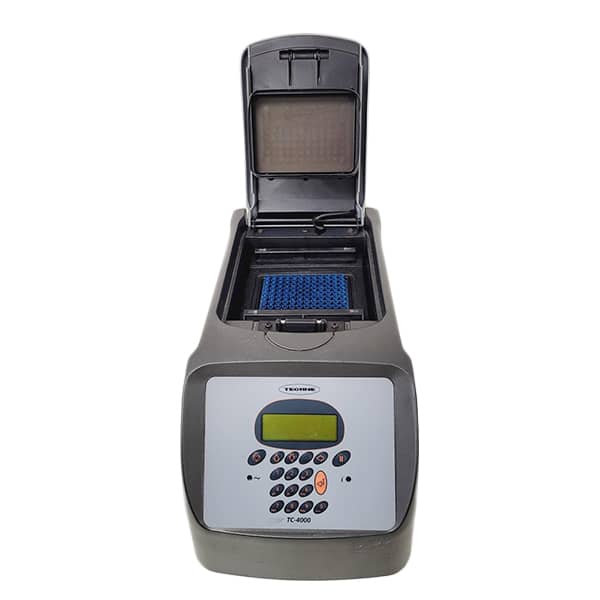
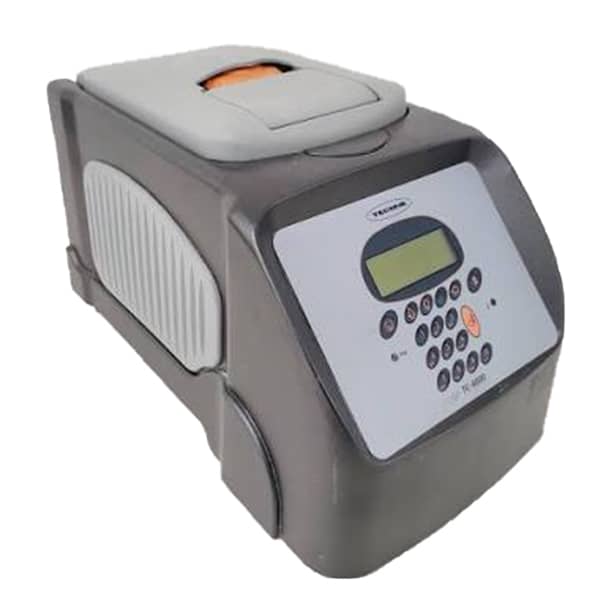
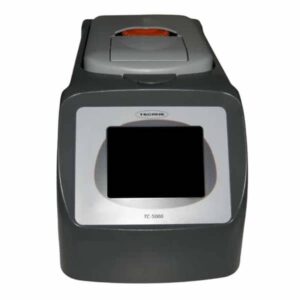
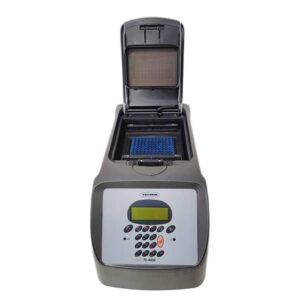
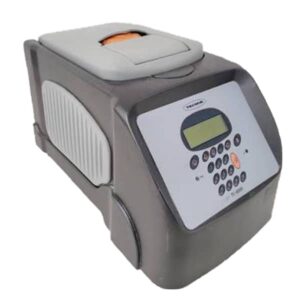
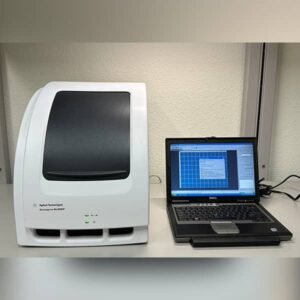
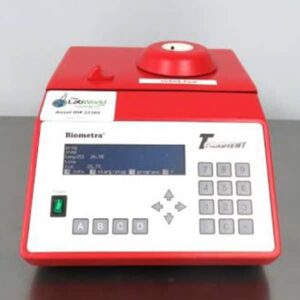
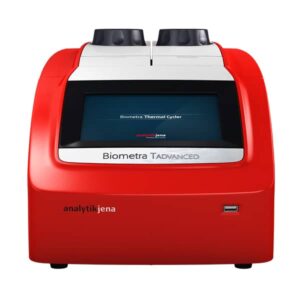
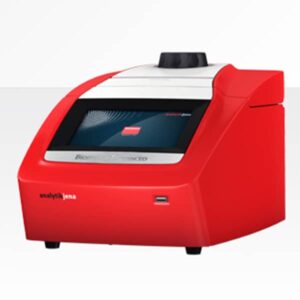
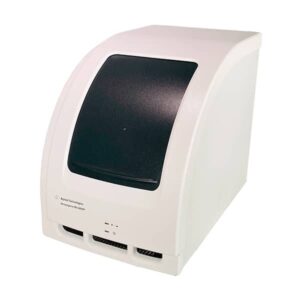
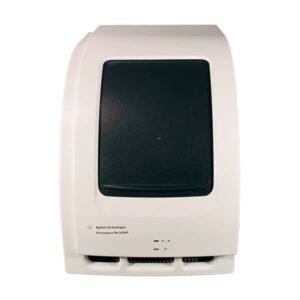
Maintenance and Calibration of Techne TC-4000 / TC-412 / TC-5000 PCR Thermal Cyclers
Comprehensive Maintenance and Calibration Services for TC-4000 / TC-412 / TC-5000 PCR Thermal Cyclers Include:
✅ Comprehensive maintenance, including well cleaning and inspection of heated lid pressure, fan, and fuses
✅ Temperature verification and calibration, including gradient temperature range verification
✅ Assessment of heating block condition and recommendations for replacement when wear is detected
✅ Comprehensive measurement and calibration reports
Advantages of TC-4000 / TC-412 / TC-5000 PCR Maintenance and Calibration Services:
- Hands-on experience servicing older, long-used thermal cycler models
- In-depth inspection beyond basic cleaning
- Calibration using specialized measuring equipment, with measurements taken at the center, corners, and across the heating block columns
- Clear, detailed reports documenting the instrument’s serial number and software version
- Fast support and free consultation
The Techne TC-4000, TC-412, and TC-5000 PCR thermal cyclers, distributed by Cole-Parmer, are durable instruments used in many laboratories over extended periods. With flexible interchangeable heating blocks, an eight-Peltier heating and cooling system controlled by four independent temperature sensors, and an adjustable heated lid pressure mechanism, these instruments can maintain high levels of accuracy when properly maintained. However, because they are often used continuously, regular maintenance and calibration are essential to keep them operating within their original specifications.
This article draws on the official operating manuals for these thermal cyclers, particularly the TC-5000 and TC-4000/TC-412, to help laboratories establish clear maintenance procedures that align with laboratory quality requirements.
Why Is Maintenance and Calibration of Techne PCR Thermal Cyclers Necessary?
PCR thermal cyclers perform precise temperature cycles involving denaturation, annealing, and extension, repeated dozens of times. Accuracy depends on the ability to transfer heat evenly from the aluminum block to each tube or well. When wells become contaminated, the lid applies insufficient or excessive pressure, ventilation becomes inadequate, or temperature sensors drift, the actual sample temperature may differ from the value displayed on the screen.

According to Techne’s Technical Specifications:
- Block temperature uniformity and control accuracy are specified at < ±0.3°C, typically measured at 50°C.
- The instrument uses four temperature probes distributed across the block.
- Block temperature range: 4°C to 99°C.
- Typical heating rates reach approximately 2.6 to 3.0°C per second, depending on the model.
These specifications can only be maintained when the instrument operates under suitable environmental conditions, typically at an ambient temperature of around 10–30°C or within a range of 5–40°C, depending on the manual, and is cleaned and maintained correctly. Excessively high or low ambient temperatures, dust accumulation, and insufficient ventilation clearance can reduce performance and increase measurement errors. Maintenance helps maintain optimal operating conditions, while calibration verifies whether the instrument continues to meet its published specifications.

The Importance of Regular Maintenance and Calibration
The operating manuals provide specific instructions that should be incorporated into a routine maintenance schedule:
- Cleaning the heating block: Clean the block regularly to ensure efficient heat transfer. If a sample spills, clean the affected area before running the next program. Disconnect the power supply and allow the instrument to cool to below 50°C. Use a soft cloth or cotton swab moistened with a 50% isopropanol solution, also known as propan-2-ol, diluted with water, to clean the wells and surfaces. Ensure that no residue remains. If radioactive samples are involved, remove the aluminum block and use a cleaning agent specifically designed for non-ferrous metals, such as Neutracon. Avoid allowing chemicals to contact the instrument’s black metal components.
- Cleaning the housing and display: Wipe the exterior with water, ethanol, or 50% methanol. Do not immerse the instrument in liquid or use acetone or abrasive cleaners. The touchscreen, particularly on the TC-5000, can easily be scratched by sharp objects, pens, or fingernails. The manufacturer may classify such damage as user-related and exclude it from warranty coverage.
- Adjusting the heated lid: Set the pressure appropriately for the type of tubes or plates being used. Turn the orange adjustment knob counterclockwise to its loosest setting, close the lid, and then turn the knob clockwise until you feel sufficient pressure. Turn it an additional quarter turn. Do not overtighten the lid, as this may deform the silicone mat and reduce its effectiveness. Adjustment is generally necessary only when changing the block or consumables.
- Workspace and ventilation: Leave at least 200 mm of clearance around the instrument to allow adequate airflow. Poor ventilation can cause overheating and reduce performance.
- Fuses and power supply: Only personnel with appropriate electrical qualifications should replace fuses. If a fuse repeatedly blows, the instrument may have a serious fault and should be sent for repair.
- Monitoring wear: The instrument records the number of cycles performed by the heating block and heated lid in the system configuration section. These records are useful for planning maintenance and replacement.

The instrument has a system test function, but this only verifies the real-time clock and does not measure temperature. Resetting the controller restores the factory settings and deletes stored programs, but retains the calibration data. When a new block is installed, the software automatically detects it and applies the corresponding block-specific calibration.
Temperature Verification and Calibration Procedure
Users cannot directly calibrate the temperature through the instrument’s standard operating controls. Independent measurements must be performed using external reference equipment.
Recommended procedure:
- Clean the wells thoroughly and check or adjust the heated lid pressure before taking measurements.
- Use an independent temperature probe or reference temperature measurement system with a valid calibration certificate, preferably with metrological traceability through an ISO/IEC 17025-accredited laboratory.
- Measure temperatures at multiple positions across the block, including the center, corners, or outer columns, at temperature settings commonly used in PCR.
- For the TC-5000 with gradient functionality, also check the temperature range between the first and last columns. As the gradient increases, temperature uniformity may decrease. The outermost columns may not reach their ideal target temperatures because of heat loss and heat transfer from adjacent columns.
- The maximum gradient is typically 30°C within the 20°C to 70°C range.
- Compare the results with the manufacturer’s specified tolerance of ±0.3°C. If adjustments are required, only an engineer authorized to access the service mode should perform them according to the manufacturer’s procedures.
- Keep a complete calibration report that includes the instrument’s serial number and software version.

Recommended frequency: At least once a year, in line with common good laboratory practices. Additional checks should be performed after repairs, block replacement, or whenever abnormal PCR results are suspected, such as inconsistent amplification products or reduced efficiency.
You may also be interested in: Laboratory Equipment Calibration
Why Choose Professional Maintenance and Calibration Services?
The TC-4000, TC-412, and TC-5000 models have often been in service for many years, increasing the risk of wear affecting the Peltier elements, heated lid, fan, and power supply. A professional service provider can assist with the following:
- Comprehensive assessment of the instrument’s condition, including the heating block, lid, fan, power supply, fuses, display, and connections.
- Temperature measurements using traceable reference equipment, preferably supported by an ISO/IEC 17025-accredited laboratory.
- Correction of temperature deviations in accordance with the manufacturer’s procedures without compromising the original calibration data.
- Advice on replacing genuine spare parts or upgrading the instrument when deterioration affects performance.
- Detailed reports to support quality records, ISO compliance, GLP/GMP requirements, or audits.

Proper maintenance and regular calibration help extend the instrument’s service life, reduce errors in PCR results, minimize unexpected repair costs, and maintain the reliability of experimental data.
If your laboratory uses a Techne TC-4000, TC-412, or TC-5000 PCR thermal cycler and requires professional maintenance or calibration, contact a service provider experienced with Cole-Parmer/Techne equipment for advice on a schedule suited to your laboratory’s needs.
You can refer to: Laboratory equipment repair services
Be the first to review “Maintenance and Calibration of Techne TC-4000 / TC-412 / TC-5000 PCR Thermal Cyclers” Cancel reply
Related products
Applied Biosystems
Applied Biosystems
Applied Biosystems

Tiếng Việt


Reviews
There are no reviews yet.