
 Tiếng Việt


Laboratory Equipment




✅ Maintenance
✅ Temperature Verification / Thermal Calibration
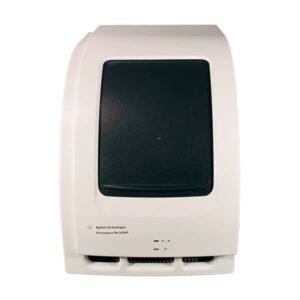
Agilent MX3000P Maintenance and Calibration Services:
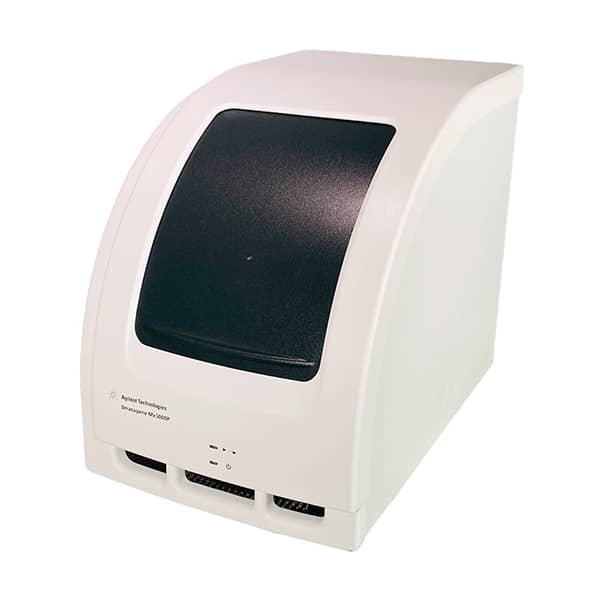
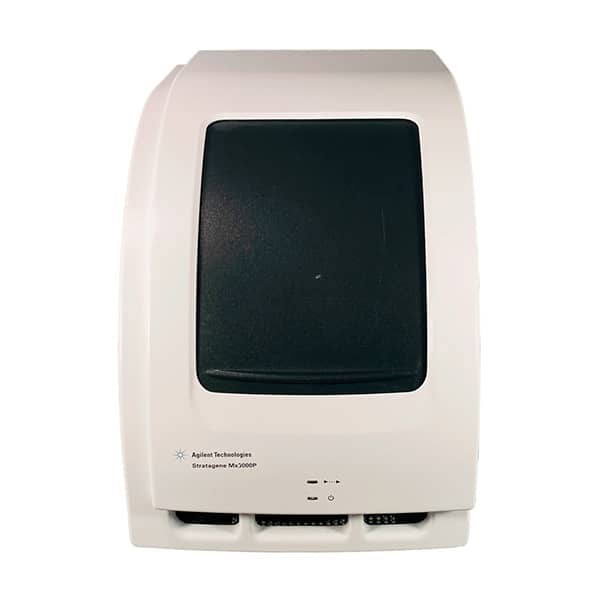
PCR instruments, especially Real-Time PCR systems such as the Agilent MX3000P, Agilent Stratagene MX3000P, and MX3000P qPCR System, play a critical role in molecular biology laboratories, clinical diagnostics, and scientific research. The accuracy of the instrument directly affects the quality of analytical results; therefore, routine maintenance and calibration are always considered essential requirements during operation.
You may also be interested in: Laboratory Equipment Calibration
Through routine maintenance, critical components such as the thermal system, optical system, control software, and internal hardware are inspected, evaluated, and serviced promptly whenever deviations are detected. Calibration also helps verify that the instrument continues to meet the manufacturer’s technical specifications, contributing to operational stability, improving the reliability of test results, and extending the instrument’s service life. The article below will help you better understand the PCR instrument maintenance and calibration process, the importance of performing it regularly, and the practical benefits this service provides to laboratories.
PCR instrument maintenance and calibration are routine procedures designed to ensure stable operation and accurate test results. For the Agilent MX3000P and Agilent Stratagene MX3000P, this process includes not only cleaning the instrument but also inspecting the thermal system, optical system, control software, and other critical components.
The MX3000P qPCR System is a Real-Time PCR platform that uses fluorescence signals to monitor DNA amplification in real time. Therefore, temperature accuracy and optical signal detection performance are extremely important. Routine maintenance and calibration help identify issues such as uneven thermal block temperatures, degraded light sources, or dust contamination affecting the optical pathway, thereby maintaining the reliability of test results and ensuring optimal performance for multiplex qPCR applications.
The PCR maintenance process must strictly follow Agilent manufacturer guidelines and ISO standards. The following are the key steps commonly applied to the Agilent Stratagene MX3000P and similar qPCR systems:
You can refer to: Laboratory equipment repair services
General inspection and cleaning: Clean instrument surfaces, plate holders, and covers using a lint-free cloth and appropriate cleaning solutions.
PCR instruments such as the MX3000P qPCR System operate continuously in environments with a high risk of contamination from DNA/RNA and laboratory chemicals. Failure to perform routine maintenance can result in several risks:
Applied Biosystems
Applied Biosystems
Maintenance & Calibration
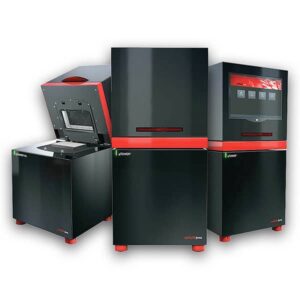
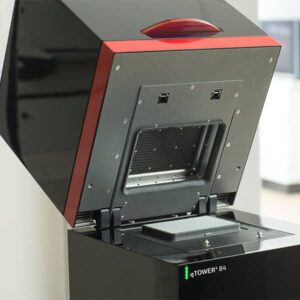
Maintenance and Calibration of the Analytik Jena qTOWER Real-Time PCR System

Applied Biosystems
Applied Biosystems
Maintenance and Calibration of Veriti, Veriti DX, and ViiA7 PCR Systems
Applied Biosystems
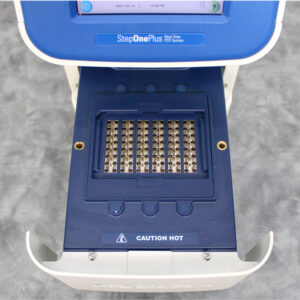
Maintenance and Calibration of ABI StepOnePlus Real Time PCR System
Applied Biosystems








Reviews
There are no reviews yet.