
 Tiếng Việt


Laboratory Equipment


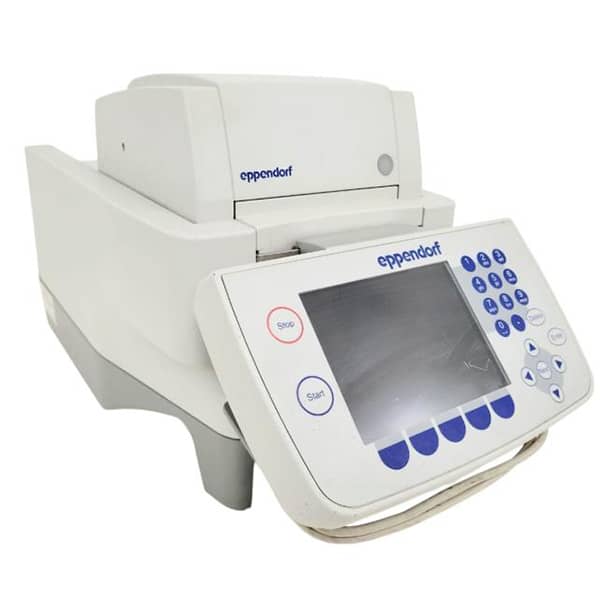
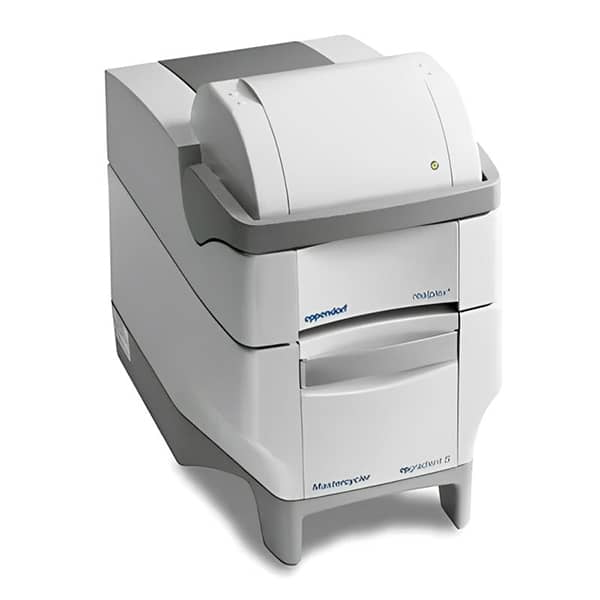
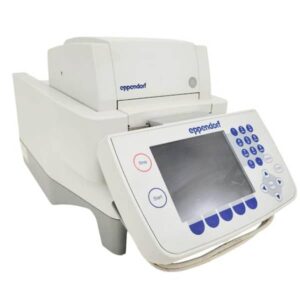
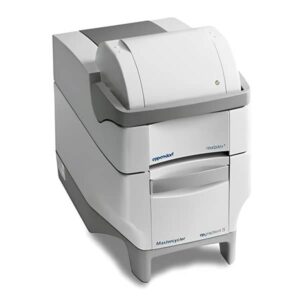
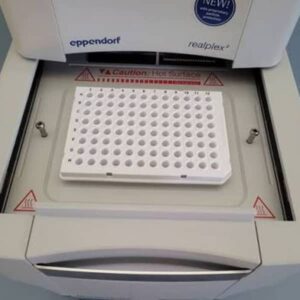
Eppendorf Mastercycler ep Gradient PCR Thermal Cycler Maintenance and Calibration Service
The Eppendorf Mastercycler ep Gradient PCR thermal cycler maintenance and calibration service includes:
Advantages of the Eppendorf Mastercycler ep Gradient PCR Thermal Cycler Maintenance and Calibration Service
The Eppendorf Mastercycler ep Gradient PCR thermal cycler is an important piece of equipment in many molecular biology laboratories. Proper maintenance and calibration help ensure high temperature accuracy, delivering consistent and reliable polymerase chain reaction (PCR) results.
The Eppendorf Mastercycler ep Gradient PCR thermal cycler operates by precisely controlling the temperature of its heating block. The block must maintain a high degree of temperature uniformity and remain within the specified accuracy limits to ensure that PCR reactions proceed correctly. Without regular maintenance and calibration, the heating block may develop temperature deviations due to component wear, dust accumulation, or changes in sensor performance.
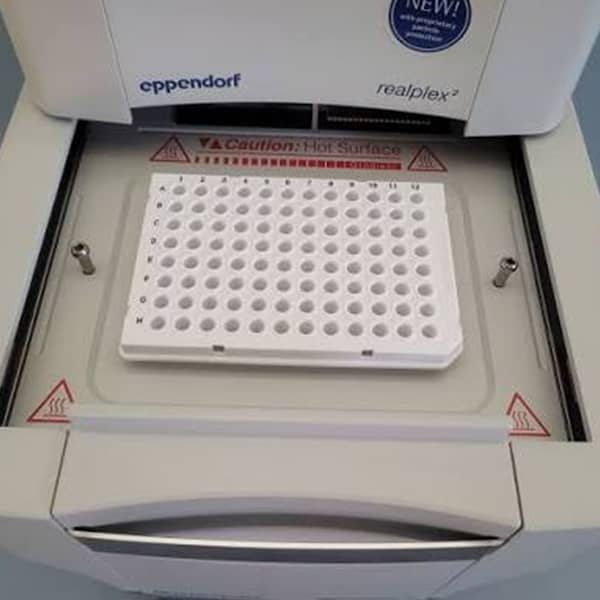
When the actual temperature differs from the set temperature, PCR results can be significantly affected. Primers may not anneal at the correct positions, amplification efficiency may decrease, or nonspecific products may appear. This is particularly important when using the gradient function of the Mastercycler ep Gradient, which allows temperature differences of up to 20°C across the 96-well block. Temperature deviations can make it more difficult to optimize reaction conditions accurately.
You may also be interested in: Laboratory Equipment Calibration
In addition, routine maintenance helps identify potential problems with the heated lid, cooling fan, and electrical system at an early stage. Without proper maintenance, the instrument may develop unexpected faults that interrupt laboratory work and lead to higher repair costs. Periodic calibration is also an important requirement for laboratories operating under quality management systems, as it provides documented evidence that the instrument continues to perform within the manufacturer’s specifications.
In short, maintenance and calibration not only preserve instrument performance but also protect the reliability of research and diagnostic data. These procedures are essential for ensuring that the Eppendorf Mastercycler ep Gradient PCR thermal cycler continues to deliver stable performance over the long term.
Regular maintenance and calibration offer several practical benefits for users of the Eppendorf Mastercycler ep Gradient PCR thermal cycler. First, they help ensure that temperature accuracy remains within the specified limits, typically around ±0.2°C, with heating block uniformity of less than ±0.3°C at 35°C and less than ±0.4°C at higher temperatures. This helps achieve highly reproducible PCR results across multiple runs and between different laboratories.
Second, routine maintenance helps extend the instrument’s service life. Tasks such as cleaning the heating block surface and heated lid, inspecting the cooling fan, and updating the software when necessary can reduce the risk of unexpected failures. A well-maintained instrument can operate reliably for many years without requiring major component replacements.
Third, regular maintenance supports compliance with laboratory quality management requirements. Many laboratories need to maintain documentation for installation qualification and operational qualification. Professional maintenance services provide inspection reports and service labels, making it easier to meet quality audit requirements.
In addition, preventive maintenance helps reduce long-term costs. Instead of waiting for the instrument to fail and paying for expensive repairs, users can invest in routine inspections and adjustments at a relatively low cost. Instrument downtime can also be minimized. For a thermal cycler with a gradient function, such as the Eppendorf Mastercycler ep Gradient, maintaining gradient temperature accuracy is particularly important because it directly affects the optimization of primer annealing temperatures.
Finally, regular maintenance and calibration give operators greater confidence in their work. They can be assured that their results are generated using equipment that is functioning properly. This is especially important in scientific research and medical testing, where data reliability is essential.
Temperature verification and calibration are the most important parts of the maintenance process for the Eppendorf Mastercycler ep Gradient PCR thermal cycler. This process typically uses a specialized temperature verification system to measure the actual temperature at multiple positions across the heating block.
Before starting, the instrument must be switched off and the heating block allowed to cool completely. The wells should then be cleaned to remove any oil or contaminants using a suitable solvent, if necessary, and wiped dry. Temperature sensors are placed at designated positions on the 96-well block. For the Mastercycler ep Gradient series, commonly used measurement positions include B2, F3, C6, F7, C10, and G11 to cover the entire block surface.
The instrument is then set to typical verification temperatures, such as 35°C and 95°C. The sensors record the actual temperatures, which are compared with the values displayed by the instrument. If the deviations exceed the allowable limits, a technician performs the necessary adjustments to bring the temperatures back within the specified range. The measurement system typically achieves an accuracy of approximately ±0.3°C across the temperature range of 35°C to 95°C.
In addition to temperature accuracy, temperature uniformity across the wells is also evaluated. The gradient function is checked to ensure that the temperature difference from one side of the block to the other matches the programmed settings. Once calibration is complete, a service label is applied to the instrument, and a detailed report is provided, documenting the measurement values before and after adjustment.
Users should not attempt calibration themselves without specialized equipment and the necessary technical knowledge, as incorrect procedures may damage the sensors or heating block. This work should be performed by manufacturer-trained technicians or qualified service providers. Annual verification is generally recommended, although the actual frequency may depend on how intensively the instrument is used in the laboratory.
When temperature verification and calibration are performed correctly, the Eppendorf Mastercycler ep Gradient PCR thermal cycler can maintain high performance and deliver reliable PCR results over the long term.
Choosing a professional maintenance and calibration service for the Eppendorf Mastercycler ep Gradient PCR thermal cycler offers several advantages over performing the work independently or using an unqualified service provider. First, trained technicians have an in-depth understanding of the instrument’s design and technical specifications. They use appropriate tools and software to inspect, clean, and calibrate the equipment according to established procedures.
Second, professional services provide complete service documentation, including inspection checklists, dated service labels, and detailed temperature measurement reports. These documents are particularly useful when laboratories need to demonstrate that their equipment meets quality requirements during audits.
Third, using genuine replacement parts when necessary helps maintain stable instrument performance and avoid potential issues with warranty coverage. Service packages may also include comprehensive inspections of both external and internal components, such as cleaning the heating block and heated lid, checking the cooling fan and electrical system, and updating the software when required.
Professional servicing also saves time and reduces risks. Users do not have to worry about incorrect procedures that could damage the instrument. The equipment can be restored to optimal operating condition efficiently and returned to service once the work is completed.
Finally, choosing a reputable service provider helps establish long-term support. Many providers offer annual maintenance packages with priority technical assistance in the event of a problem. This is particularly suitable for laboratories that use PCR thermal cyclers frequently and require consistent performance. Given the more complex gradient function of the Eppendorf Mastercycler ep Gradient, having qualified specialists handle maintenance and calibration is a safe and effective choice.
In summary, professional maintenance and calibration should be viewed as an investment rather than simply an expense. They help protect research quality and extend the service life of laboratory equipment. Users should contact an experienced and authorized service provider to find a maintenance package that meets their actual requirements.
This article provides an overview of maintenance and calibration for the Eppendorf Mastercycler ep Gradient PCR thermal cycler. Following the proper procedures helps keep the instrument operating at optimal performance and ensures accurate and reliable PCR results.
You can refer to: Laboratory equipment repair services

Applied Biosystems
Applied Biosystems
Maintenance and Calibration of SimpliAmp™ PCR Thermal Cycler
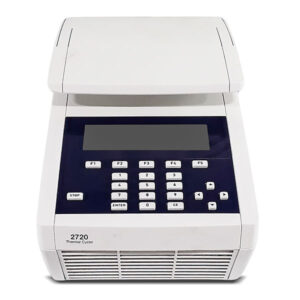
Applied Biosystems
Applied Biosystems
Maintenance and Calibration of Veriti, Veriti DX, and ViiA7 PCR Systems
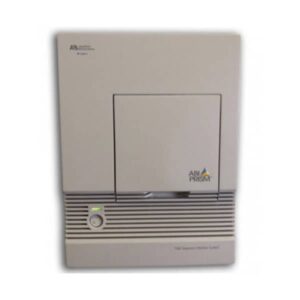
Applied Biosystems
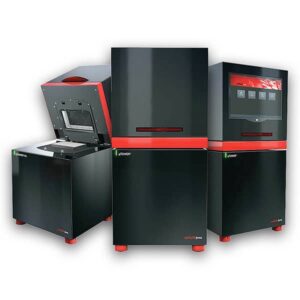
Maintenance & Calibration
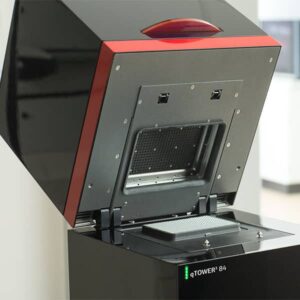
Maintenance and Calibration of the Analytik Jena qTOWER Real-Time PCR System







Reviews
There are no reviews yet.