
 Tiếng Việt


Laboratory Equipment


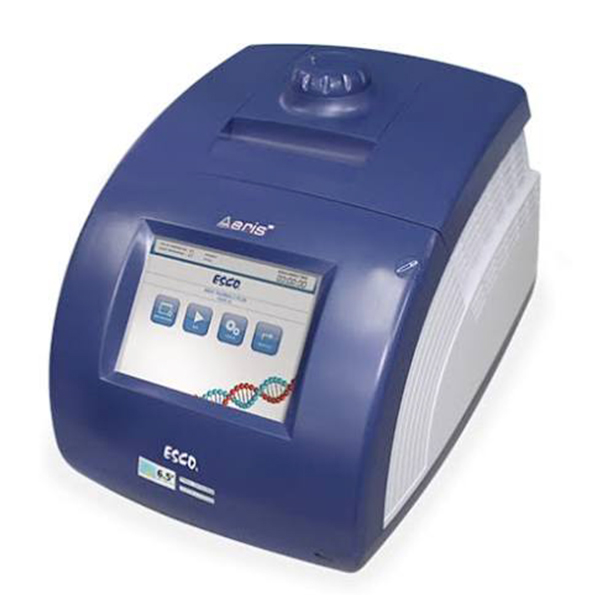
The Esco Aeris Swift MaxPro PCR Thermal Cycler Maintenance and Calibration Service Includes:
✅ Comprehensive maintenance of the main instrument and its interchangeable blocks
✅ Temperature verification and calibration, with measurement deviations checked against Esco’s technical specifications
✅ Support for heating block replacement, software updates, and temperature log generation
✅ Detailed measurement reports issued for each instrument
Advantages of the Esco Aeris Swift MaxPro PCR Thermal Cycler Maintenance and Calibration Service
The Esco Aeris Swift MaxPro PCR thermal cycler is an important piece of equipment in many molecular biology laboratories. Proper maintenance and calibration help ensure stable operation, reliable PCR results, and a longer equipment lifespan. This article provides a detailed overview of the key aspects of maintaining and calibrating this instrument series.
PCR thermal cyclers operate by precisely changing temperatures in programmed cycles to perform denaturation, annealing, and extension. For the Esco Aeris Swift MaxPro series, temperature accuracy and block uniformity are critical factors in determining PCR product quality. When the instrument operates continuously in a laboratory environment, factors such as dust, moisture, and wear on the Peltier modules and temperature sensors can affect its performance.
Without regular maintenance and calibration, temperature deviations may occur. Even a deviation of just a few tenths of a degree can prevent PCR reactions from achieving the desired efficiency, potentially resulting in false-negative or false-positive results or unclear bands. Temperature stability is particularly important for applications such as gradient PCR, induced PCR, and in situ PCR, which are well supported by the Esco Aeris Swift MaxPro series.
In addition, routine maintenance helps identify early signs of problems, such as an improperly sealed heated lid, unresponsive control buttons, or an inefficient cooling system. These checks not only protect experimental samples but also reduce the risk of unexpected equipment failures and costly repairs in the future. Many laboratories have found that the cost of routine maintenance is significantly lower than the potential losses caused by inaccurate results or unexpected equipment downtime during an experiment.
For the Esco Aeris Swift MaxPro PCR thermal cycler, the manufacturer recommends inspection and maintenance at least once a year. This includes a physical inspection of the entire instrument, cleaning the block and heated lid, and verifying the displayed temperature readings against the original technical specifications.
Regular maintenance and calibration play a key role in maintaining the optimal performance of the Esco Aeris Swift MaxPro PCR thermal cycler. This instrument uses advanced temperature control technology and high-quality Peltier modules to deliver rapid heating and cooling rates with good temperature uniformity. However, after prolonged use, its components are inevitably affected by repeated thermal cycling.
During routine maintenance, technicians inspect the entire control system, display screen, buttons, and, in particular, the heated lid mechanism. Cleaning the sample wells and heated lid surface helps remove dirt, residual DNA, and chemical deposits, preventing cross-contamination between runs. At the same time, checking the heated lid seal helps ensure that sample evaporation does not occur during the reaction.
Regular calibration provides several specific benefits. First, it confirms that the actual block temperature matches the set temperature displayed on the screen. Second, it verifies temperature uniformity across different wells on the same block. Third, it evaluates whether temperature holding times are accurate. These parameters directly affect the reproducibility of experimental results.
For laboratories performing different types of reactions on the same Esco Aeris Swift MaxPro instrument, regular maintenance also helps preserve automatic block recognition and the ability to run multiple complex programs. When the instrument is properly maintained, users can rely on stored programs and reduce the time required to reoptimize reaction conditions.
Many laboratory quality management standards require equipment maintenance and calibration histories to be documented. Following a regular maintenance schedule not only supports inspection and accreditation requirements but also demonstrates professional laboratory management. Over the long term, a well-maintained instrument will generally have a longer service life and require fewer replacements of expensive components, such as heating and cooling modules.
Temperature verification and calibration are the most important steps in the maintenance process for the Esco Aeris Swift MaxPro PCR thermal cycler. This procedure is typically performed using a specialized multichannel temperature measurement system, with sensors placed at different positions across the block to record actual temperature data.
Before calibration, technicians inspect the environmental conditions surrounding the instrument. The room temperature should remain within an appropriate range to ensure that the instrument can operate under optimal conditions and meet its specified performance requirements. The instrument is then run through verification programs at several temperature levels, including low, intermediate, and high temperatures commonly used in PCR.
You can refer to: Laboratory equipment repair services
During measurement, technicians record temperature accuracy, which is the difference between the programmed setpoint and the actual measured temperature. Temperature uniformity is also evaluated by comparing readings from wells in the center of the block with those along the edges. For the Esco Aeris Swift MaxPro PCR thermal cycler, these parameters must remain within the allowable limits specified by the manufacturer.
In addition to block temperature, the heated lid temperature must also be checked. The heated lid prevents condensation and sample evaporation. If its temperature is unstable, samples may become concentrated or lose volume, potentially affecting reaction results. Calibrating the heated lid ensures that it maintains the correct programmed temperature throughout the run.
After collecting the measurement data, technicians make adjustments when necessary and prepare a calibration report. This report clearly documents the service date, temperature points tested, measured results, and whether the instrument meets the required specifications. Users should retain these records to monitor changes in instrument performance over time.
For gradient blocks available on the Esco Aeris Swift MaxPro series, gradient verification is also essential. Technicians program a temperature difference across the horizontal direction of the block and measure the actual temperatures to confirm that the instrument generates the gradient as programmed. This is particularly useful when optimizing annealing conditions for newly designed primer pairs.
Although some basic cleaning tasks can be performed in-house, comprehensive maintenance and calibration of the Esco Aeris Swift MaxPro PCR thermal cycler should be entrusted to a professional service provider. There are several important reasons for this.
The first is access to specialized measurement equipment. Accurate calibration requires a standardized multichannel temperature measurement system capable of recording multiple points simultaneously and generating detailed measurement data. Most laboratories do not have access to this type of equipment.
The second is technical expertise and experience. Technicians trained to service Esco instruments understand the internal structure, proper block removal and installation procedures, Peltier module inspection, and related electronic components. They are also familiar with the original technical specifications needed to evaluate measurement results. Unauthorized intervention without sufficient technical expertise may damage the instrument or void the warranty if it is still under warranty coverage.
The third is the comprehensive nature of the service. Professional service providers do more than calibrate temperature. They also inspect the overall condition of the instrument, including heated lid sealing, cooling fan operation, screen and keypad condition, and computer connectivity when control software is used. These inspections help identify potential problems early and allow technicians to recommend timely component replacement.
The fourth is documentation and after-sales support. Calibration reports issued by reputable service providers are valuable records when laboratories need to demonstrate compliance with quality management procedures. In addition, many service providers offer operational advice, proper equipment usage guidance, and technical support when unexpected problems occur.
You may also be interested in: Laboratory Equipment Calibration
Finally, choosing a professional service provider saves laboratory personnel time and effort. Instead of having to learn and perform complicated procedures themselves, users simply need to schedule a service appointment and hand over the instrument. Once the service is completed, the instrument is returned with its performance verified and ready for important experiments.
For the Esco Aeris Swift MaxPro PCR thermal cycler, choosing a service provider that is an authorized distributor or an authorized service partner offers the greatest peace of mind. These providers have access to original technical documentation, genuine replacement parts, and maintenance procedures recommended by the manufacturer.
Maintenance and calibration of the Esco Aeris Swift MaxPro PCR thermal cycler are not optional tasks but essential requirements for ensuring reliable experimental results. Understanding the need for maintenance, recognizing the importance of a regular service schedule, performing temperature verification and calibration correctly, and choosing a professional service provider all contribute to more efficient and reliable laboratory operations.
With proper care, users can enjoy long-term benefits, including consistent PCR results, fewer errors, extended equipment lifespan, and compliance with quality management standards. Establish a regular maintenance plan today to ensure that your Esco Aeris Swift MaxPro PCR thermal cycler is always ready to support your important research and diagnostic applications.
Applied Biosystems
Applied Biosystems
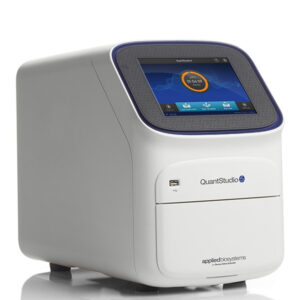
Applied Biosystems

Applied Biosystems
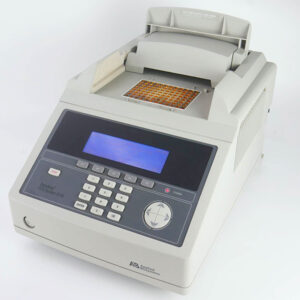
Applied Biosystems
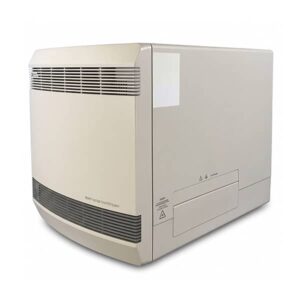
Applied Biosystems







Reviews
There are no reviews yet.