
 Tiếng Việt


Laboratory Equipment


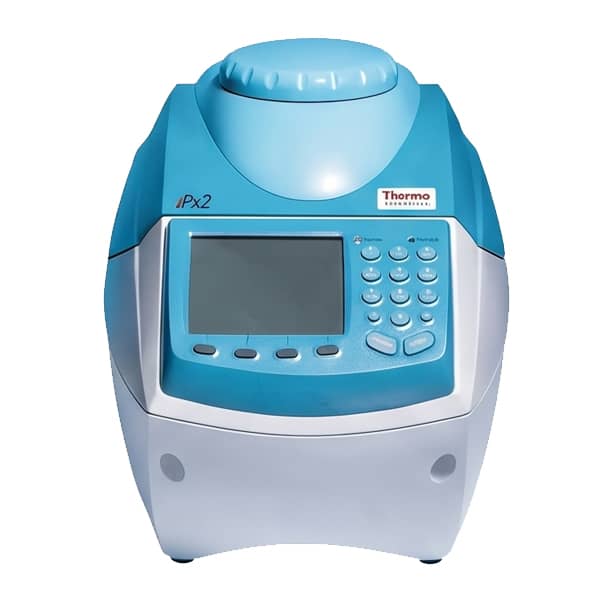
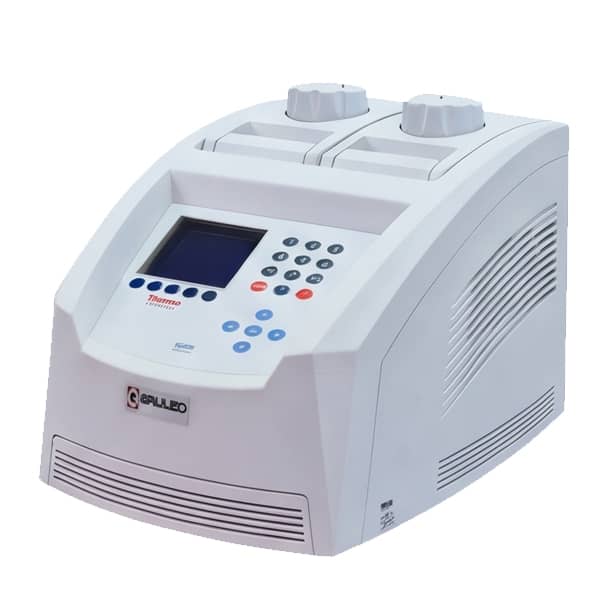
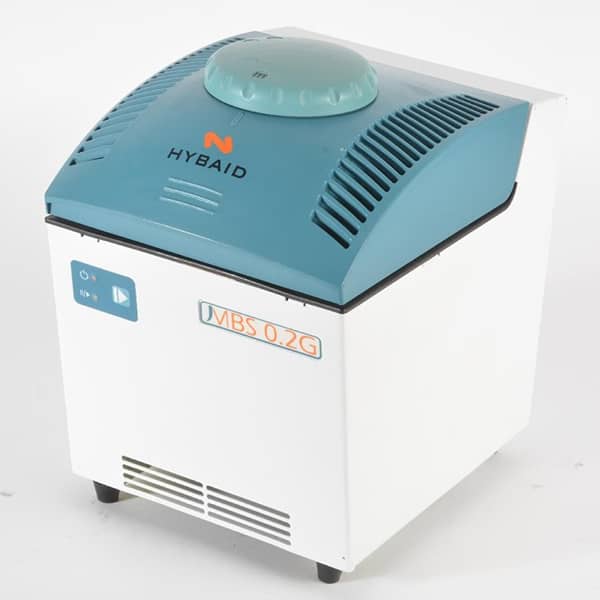
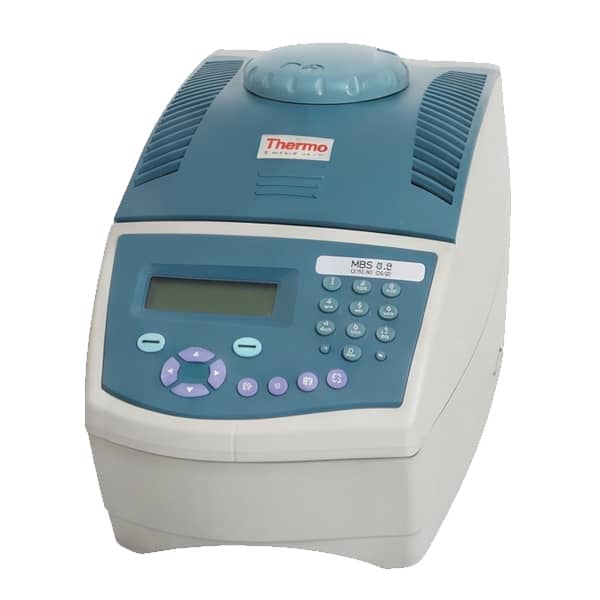
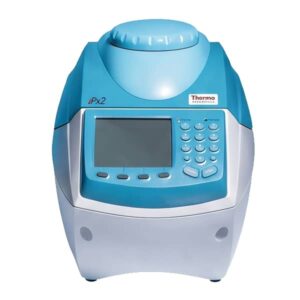
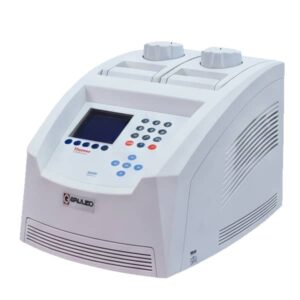
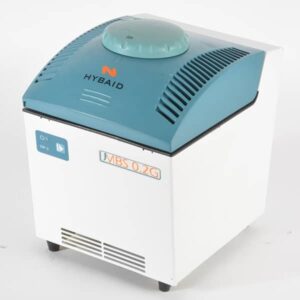
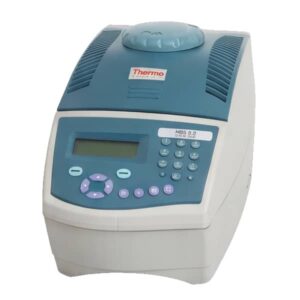
Maintenance and calibration services for ThermoFisher Arktik, Hybaid MBS, Hybaid PX2, and PXE PCR systems include:
Advantages of ThermoFisher Arktik, Hybaid MBS, Hybaid PX2, and PXE PCR System Maintenance and Calibration Services
ThermoFisher’s Arktik, Hybaid MBS, Hybaid PX2, and PXE PCR systems are essential instruments used in many molecular biology laboratories. Frequent use requires proper maintenance and calibration to ensure consistently accurate and reliable experimental results. This article provides detailed information on why maintenance and calibration are necessary, along with the key procedures that help extend equipment lifespan and maintain optimal performance.
The Arktik PCR system is distinguished by its flexible interchangeable thermal block design. Therefore, maintenance should focus on inspecting the contact between the block and the instrument body, the block locking mechanism, and the sealing integrity of the heated lid to prevent sample evaporation and cross-contamination. During calibration, technicians must also verify the gradient function (if equipped), as gradient accuracy determines the system’s ability to optimize primer annealing temperatures. In addition, the block recognition function should be checked, and the contact surfaces should be thoroughly cleaned to maintain temperature uniformity across the entire block.
The Hybaid MBS system consists of multiple satellite blocks connected to a central computer. Therefore, maintenance must ensure synchronization between all blocks and include inspection of the entire network connection system to prevent data loss or synchronization errors. Temperature calibration requires simultaneous testing of multiple satellite blocks to ensure that each block meets the same standards for temperature accuracy and uniformity. Cleaning, sensor inspection, and cooling system checks must also be performed on each individual block according to a standardized procedure to ensure stable operation across the entire system.
You may also be interested in: Laboratory Equipment Calibration
The Hybaid PX2 is commonly used by individual researchers or small laboratory teams, making routine maintenance easy to overlook without a clearly defined schedule. Maintenance should focus on checking temperature uniformity between the center and outer wells of the thermal block, as temperature variations can significantly affect results when processing large numbers of samples. Calibration includes checking the heated lid temperature, the Active Tube Control function (if still supported), and running thermal cycling test programs to verify temperature stability during heating and cooling.
The PXE is also designed for individual or small-group use and requires a clearly defined preventive maintenance schedule to avoid equipment deterioration. Maintenance focuses on cleaning the thermal block, inspecting the heated lid, and checking the cooling system to reduce operating noise, maintain stable power consumption, and detect early signs of Peltier performance degradation. During calibration, particular attention should be paid to temperature uniformity across different well positions on the block and the heated lid temperature. These parameters should then be verified using standard thermal cycling programs to ensure consistent PCR results across multiple runs.
PCR systems operate based on precisely controlled temperature changes throughout each thermal cycle. Over time, the thermal block and temperature sensors may drift from their original specifications. Without timely maintenance and calibration, even temperature deviations of a few tenths of a degree can reduce amplification efficiency or produce unexpected results. For the Arktik, Hybaid MBS, Hybaid PX2, and PXE systems, maintaining temperature accuracy is essential to ensuring the quality of research data. In addition, dust and residual chemicals on the thermal block or heated lid can cause corrosion and shorten component lifespan. Routine maintenance helps identify minor signs of wear or damage before they develop into major failures that disrupt laboratory operations.
Each model in this product family has its own specific maintenance requirements. The Arktik system, with its interchangeable thermal blocks, requires inspection of the contact between the block and the instrument body. The Hybaid MBS system consists of multiple satellite blocks connected to a central computer, so maintenance must ensure synchronization across all blocks. The Hybaid PX2 and PXE systems are generally used by individuals or small laboratory teams, making routine maintenance easy to overlook without a clearly established schedule. All these factors demonstrate that maintenance and calibration are not merely technical procedures but also essential measures for protecting research quality and reducing long-term repair costs.
Performing routine maintenance and calibration offers several practical benefits. First, it helps maintain temperature accuracy across the entire thermal block surface. Temperature uniformity is an important criterion because every reaction tube in the same run must be exposed to consistent conditions. When properly calibrated, PCR protocols performed on the Arktik, Hybaid MBS, Hybaid PX2, or PXE systems can deliver consistent results across different runs. This is particularly important when laboratories need to reproduce experimental results or transfer methods between research teams.
Routine maintenance also helps detect early signs of wear in Peltier elements and temperature sensors. These components have a limited service life, and their performance gradually declines over time. Regularly cleaning the thermal block, inspecting the heated lid, and checking the cooling system help the instrument operate more smoothly, reduce noise, and maintain stable power consumption. For the Hybaid MBS system, maintenance also includes inspecting network connections between the central computer and satellite blocks to prevent data loss or synchronization errors. For the Arktik system, checking the block locking mechanism and heated lid seal helps prevent sample evaporation and cross-contamination. When performed according to a proper maintenance schedule, these procedures can significantly extend equipment lifespan and minimize unexpected downtime caused by equipment failures.
In addition, routine maintenance and calibration help laboratories comply with quality management requirements. Many laboratories are working toward standards such as ISO or Good Laboratory Practice (GLP), which require clear equipment monitoring and maintenance records. Maintaining calibration certificates and service histories for Arktik, Hybaid MBS, Hybaid PX2, and PXE PCR systems provides objective evidence of equipment control. This documentation not only supports successful audits but also enhances the laboratory’s credibility with partners and customers.
Temperature verification and calibration are the most important steps in the PCR system maintenance process. This procedure typically begins with a calibrated reference temperature measurement device that has been calibrated against national or international standards. Sensors are placed at representative positions across the thermal block to record actual temperatures at multiple points. The collected data are then compared with the programmed temperatures of the instrument. If the deviations exceed acceptable limits, technicians will make software or hardware adjustments to bring the system back within its specified parameters.
You can refer to: Laboratory equipment repair services
For the Arktik system, testing should also include the gradient function if this feature is available. Gradient accuracy determines how effectively the system can optimize primer annealing temperatures. For the Hybaid PX2 and PXE systems, checking temperature uniformity between the center and outer wells of the thermal block is essential because temperature variations across different positions can affect results when processing large numbers of samples. The Hybaid MBS system requires simultaneous testing of multiple satellite blocks to ensure that all blocks meet the same temperature accuracy standards. In addition to thermal block temperature, the heated lid temperature must also be checked, as the heated lid helps prevent condensation and sample evaporation during PCR reactions.
After completing calibration, technicians run standard verification programs to confirm that the instrument operates reliably. These programs typically include simple thermal cycling sequences as well as more complex cycles to evaluate heating and cooling performance and temperature stability during holding periods. The results are documented in a calibration report, together with information about the reference measurement equipment, environmental conditions, and the technician’s signature. This report becomes an important record for tracking equipment history and planning the next maintenance service. Following the correct temperature verification and calibration procedures ensures that users can have confidence in the controlled conditions of every PCR reaction performed on the Arktik, Hybaid MBS, Hybaid PX2, or PXE system.
Although laboratory personnel can perform certain basic cleaning tasks themselves, temperature calibration and more complex maintenance procedures should be entrusted to qualified service providers. Professional technicians have access to reference measurement equipment that undergoes regular calibration and understand the specific requirements of each model in the Arktik, Hybaid MBS, Hybaid PX2, and PXE PCR product family. They know how to handle each instrument safely while avoiding damage to sensitive components such as temperature sensors and control circuit boards. In addition, they can identify abnormal conditions that ordinary users may find difficult to recognize, such as declining Peltier performance or loose block locking mechanisms.
Using professional services also helps laboratories save time and reduce operational risks. Improperly performed in-house calibration can result in greater measurement errors or even damage the instrument. Specialized service providers typically supply detailed service reports and recommend maintenance schedules based on the actual usage intensity of each laboratory. For the Hybaid MBS system, they can inspect the entire network of satellite blocks and verify synchronization across the system. For the Arktik system, they check the ability to recognize interchangeable thermal blocks. For the Hybaid PX2 and PXE systems, they pay particular attention to the Active Tube Control function, if the instrument still supports this feature. As a result, users receive comprehensive service rather than having individual issues addressed in isolation.
Finally, choosing professional maintenance and calibration services demonstrates a serious commitment to research quality. PCR systems are essential instruments in many critical workflows, ranging from basic research to laboratory testing. When these instruments are consistently maintained in optimal operating condition, experimental results become more reliable and laboratory workflows are less likely to be disrupted. This is why an increasing number of laboratories prioritize long-term partnerships with service providers experienced in ThermoFisher PCR systems rather than waiting until equipment failures occur before seeking assistance.
In conclusion, routine maintenance and calibration are essential for keeping Arktik, Hybaid MBS, Hybaid PX2, and PXE PCR systems accurate and reliable over the long term. Understanding the importance of these procedures, performing temperature verification according to the correct protocols, and choosing professional service providers can deliver lasting benefits to laboratories using these instruments.
Applied Biosystems
Applied Biosystems
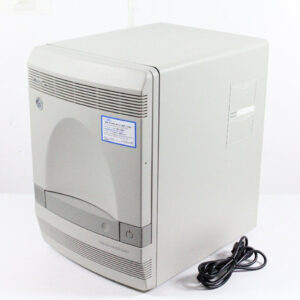
Maintenance and Calibration of the ABI 7300 Real Time PCR System
Applied Biosystems

Applied Biosystems
Maintenance and Calibration for the 7500 Real Time PCR System
Applied Biosystems

Applied Biosystems

Applied Biosystems








Reviews
There are no reviews yet.