
 Tiếng Việt


Laboratory Equipment


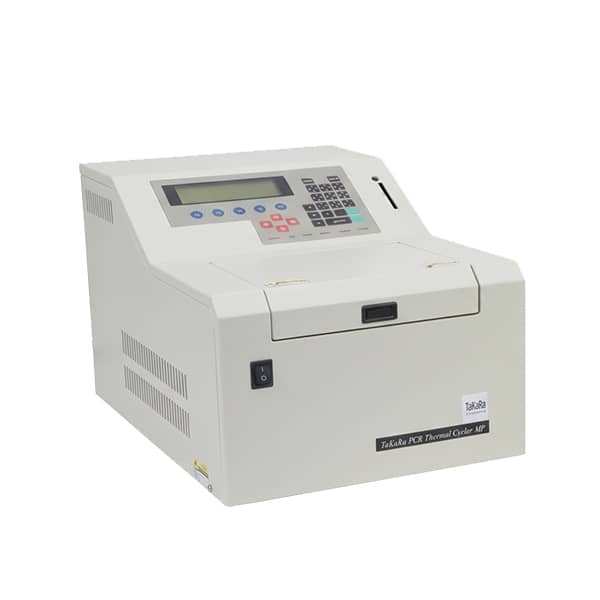
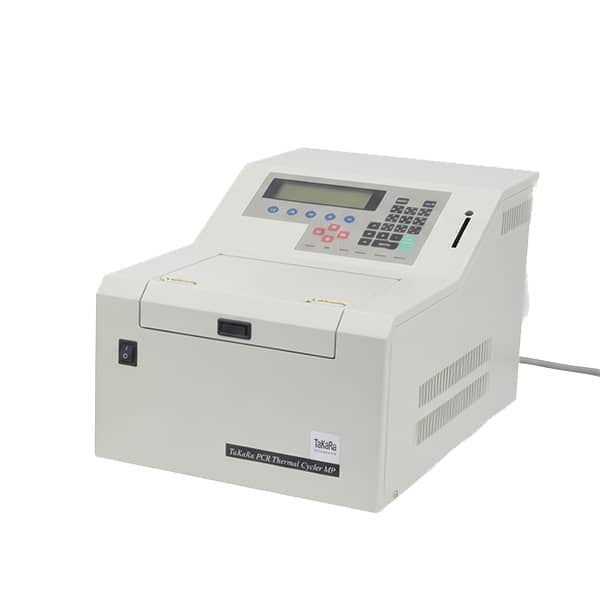
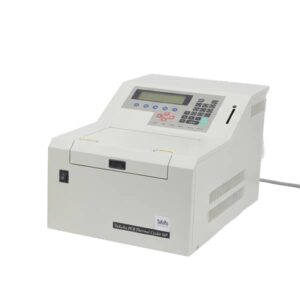
Maintenance and calibration services for the TaKaRa TP3000 PCR thermal cycler include:
Advantages of TaKaRa TP3000 PCR Thermal Cycler Maintenance and Calibration Services
The TaKaRa TP3000 PCR thermal cycler is an essential instrument in molecular biology laboratories, enabling polymerase chain reactions (PCR) to amplify target DNA sequences accurately and consistently. During continuous operation, the instrument must maintain a high level of temperature accuracy, as even minor temperature deviations can affect reaction efficiency, resulting in inconsistent or unsuccessful results.
Maintenance and calibration of the TaKaRa TP3000 PCR thermal cycler help ensure that critical components, including the Peltier thermal block, heated lid, and control system, continue to operate within the manufacturer’s specified limits. Without regular maintenance, dust and debris can accumulate on the thermal block surface or cooling vents, reducing heat transfer uniformity across the wells. In addition, temperature sensors may gradually drift after prolonged use, causing discrepancies between the actual temperature and the temperature displayed on the screen.
You may also be interested in: Laboratory Equipment Calibration
This can be particularly problematic for reactions requiring high precision, such as long-range PCR or the amplification of GC-rich regions. Maintenance and calibration of the TaKaRa TP3000 PCR thermal cycler also help identify early signs of potential problems, such as slower-than-normal heating and cooling rates or temperature variations across different positions on the thermal block.
This helps laboratories avoid costly repeated experiments while saving valuable research time and resources. Furthermore, keeping the instrument in good working condition extends its service life, reduces the risk of major repair expenses, and ensures consistent data across different PCR runs.
For the TaKaRa TP3000 PCR thermal cycler, temperature control plays a critical role in the three main stages of the PCR cycle: denaturation, annealing, and extension. If the denaturation temperature is too low, the DNA strands may not separate completely. Conversely, excessively high temperatures can compromise polymerase activity. Similarly, even a deviation of just a few tenths of a degree during the annealing stage can reduce reaction specificity and lead to unwanted amplification products.
Therefore, maintenance and calibration are not merely technical procedures but essential requirements for ensuring the quality of research and diagnostic results. Many laboratories operating under quality management systems have incorporated routine maintenance and calibration of the TaKaRa TP3000 PCR thermal cycler into their equipment control procedures to meet the requirements of internal and external quality assessments.
Regular maintenance and calibration of the TaKaRa TP3000 PCR thermal cycler provide several practical benefits for laboratory operations. First, they help maintain temperature accuracy and uniformity within the manufacturer’s specifications, typically around ±0.5°C for temperature accuracy and ±0.3°C for temperature uniformity across commonly used operating temperatures.
Properly maintained equipment also maintains optimal heating and cooling performance, helping shorten program run times and improve laboratory productivity. Conversely, neglecting routine maintenance can gradually reduce heat transfer efficiency, extending the time required to reach the programmed temperatures and disrupting the overall experimental schedule.
In addition, routine maintenance helps identify potential problems at an early stage, such as gaps in the heated lid, worn components, hardened rubber seals, or dust accumulation in the cooling fan. If left unaddressed, these seemingly minor issues can lead to sample evaporation or temperature instability, potentially compromising entire PCR reactions.
For the TaKaRa TP3000 PCR thermal cycler, regular thermal block cleaning and inspection of the self-diagnostic system help maintain consistent performance over years of operation.
The importance of regular maintenance and calibration is also reflected in traceability and regulatory compliance. Many research and diagnostic laboratories are required to maintain maintenance and calibration records for internal audits and external assessments. Having periodic calibration certificates provides greater confidence in results generated by the TaKaRa TP3000 PCR thermal cycler, particularly when used in scientific publications or professional reports.
Routine maintenance also helps optimize long-term operating costs. Rather than waiting for a major breakdown that requires expensive component replacements or even the purchase of a new instrument, timely inspections and adjustments can significantly extend equipment service life. It also minimizes the risk of having to discard valuable samples due to unstable instrument performance. For laboratories with high workloads, keeping the TaKaRa TP3000 PCR thermal cycler in optimal condition also allows for more flexible scheduling, as less time needs to be allocated for repeat runs caused by equipment-related errors.
Temperature inspection and calibration are the most critical parts of the maintenance procedure for the TaKaRa TP3000 PCR thermal cycler because overall reaction performance depends on the accuracy of the thermal block. The procedure typically begins with a general visual inspection of the instrument, cleaning the thermal block, removing dust and debris, and checking the condition of the heated lid and cooling fan system.
Technicians then use a high-accuracy, calibrated temperature measurement device to measure temperatures at different positions across the thermal block and compare the actual readings with the programmed temperatures. Typical test points include approximately 4°C, 55°C, 72°C, and 94°C, corresponding to commonly used temperature settings during PCR cycling.
Temperature uniformity across the wells is also carefully evaluated by measuring multiple positions on the thermal block simultaneously. If the temperature differences exceed the permitted limits, technicians will make the necessary adjustments or document the findings for further assistance from the manufacturer.
For the TaKaRa TP3000 PCR thermal cycler, the manufacturer generally recommends that the instrument be factory-calibrated and advises users against making unauthorized changes to the calibration software. When recalibration is necessary, users should contact qualified service providers with the appropriate technical expertise and equipment.
In addition, some models from the manufacturer incorporate self-diagnostic functions that help assess heating and cooling rates as well as temperature stability without requiring external measurement equipment. Performing these checks regularly helps identify declining instrument performance before it affects experimental results.
The frequency of temperature inspection and calibration depends on instrument usage intensity and the laboratory’s quality requirements. For frequently used TaKaRa TP3000 PCR thermal cyclers, preliminary inspections should be performed monthly, with comprehensive calibration conducted at least once a year. In high-demand environments, such as medical diagnostic laboratories or research facilities preparing studies for international publication, the calibration interval may be shortened to every six months.
If any abnormal signs are detected, such as inconsistent PCR results, unusually prolonged run times, or system error alerts, the instrument should be inspected and calibrated immediately rather than waiting for the next scheduled maintenance.
Choosing professional maintenance and calibration services for the TaKaRa TP3000 PCR thermal cycler offers several advantages over performing these procedures independently. Professional technicians receive specialized training in the design and operating principles of TaKaRa instruments and are familiar with calibration procedures based on internationally recognized standards. They use temperature measurement equipment that undergoes regular calibration and comes with appropriate certification, ensuring reliable inspection results that can be included in laboratory quality records.
Professional services also provide detailed reports documenting instrument parameters before and after calibration, along with recommendations for future maintenance. This makes it easier for laboratories to manage equipment records and retrieve relevant information when needed.
Another important advantage is the ability to identify and resolve complex issues that ordinary users may not recognize. For example, declining Peltier element performance or temperature sensor drift requires specialized technical knowledge and dedicated diagnostic tools. When using professional maintenance services for the TaKaRa TP3000 PCR thermal cycler, users can also receive guidance on proper instrument operation to help extend its service life. Many service providers also maintain stocks of genuine replacement parts and offer post-maintenance warranties, providing additional peace of mind in the event of equipment malfunctions.
Finally, choosing professional services helps laboratories save time and resources. Instead of spending days researching maintenance procedures and purchasing expensive measurement equipment, users simply need to contact a qualified service provider and arrange a suitable service appointment.
As a result, the TaKaRa TP3000 PCR thermal cycler can remain ready for operation at optimal performance, providing reliable support for important research and diagnostic applications. This is a sustainable solution for maintaining long-term laboratory performance while minimizing equipment-related risks.
You can refer to: Laboratory equipment repair services

Applied Biosystems
Maintenance and Calibration of MiniAmp™ PCR and MiniAmp™ Plus Thermal Cycler
Applied Biosystems

Applied Biosystems
Applied Biosystems
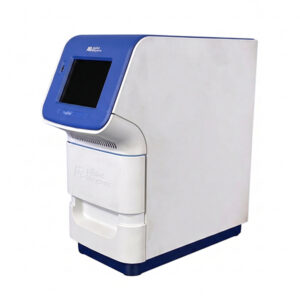
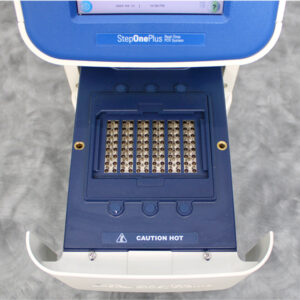
Maintenance and Calibration of ABI StepOnePlus Real Time PCR System
Maintenance & Calibration
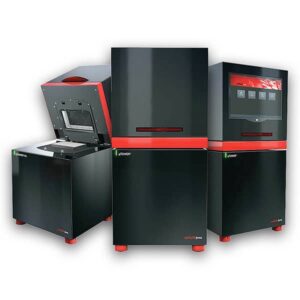
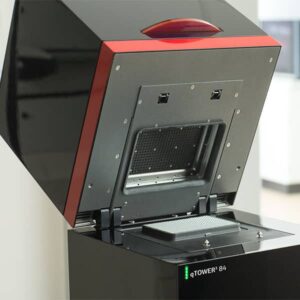
Maintenance and Calibration of the Analytik Jena qTOWER Real-Time PCR System

Applied Biosystems






Reviews
There are no reviews yet.