Tiếng Việt


Laboratory Equipment


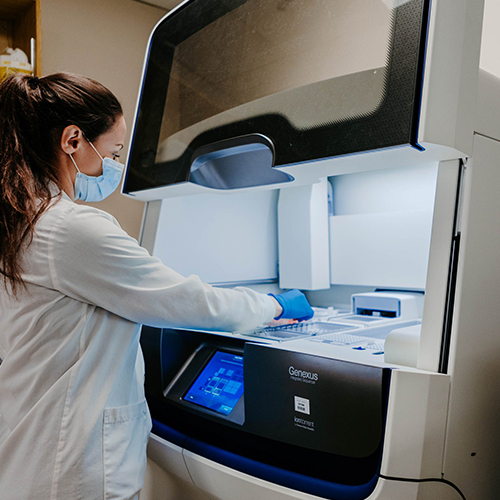
In today’s era, with increasingly complex epidemics, the new testing solution using realtime PCR machines has become an indispensable device in diagnosing infectious diseases quickly and accurately.

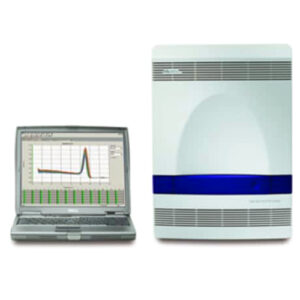
Realtime PCR, short for Polymerase Chain Reaction, means Real-Time Chain Synthesis Reaction. A realtime PCR machine is a device that uses DNA amplification techniques, allowing the monitoring of the PCR reaction in real-time through fluorescence signals and dyes in each amplification cycle.
In addition, some realtime PCR machines integrate a thermal cycler similar to conventional PCR machines but are upgraded with advanced optical systems. These systems emit light at specific wavelengths to excite the reaction tubes and use cameras or sensitive optical sensors to record the emitted fluorescence, ensuring rapid and accurate analysis without the need for post-PCR processing.
Realtime PCR machines are applied in disease diagnosis, genetic research, and molecular biology, playing an important role in today’s scientific research and medicine.


Realtime PCR machines play an important role in many fields, especially in healthcare.
Realtime PCR machines operate based on the specific amplification of Taq Polymerase Enzyme, combined with components such as primers, free dNTPs, and fluorescent probes.
| Component | Function | Technology |
|---|---|---|
| Thermal Component | Ability to cycle temperature precisely from 4°C to 115°C Repeats 30 to 40 cycles to amplify DNA | Peltier Heating: common, speed 3 to 6°C per second Air Heating: faster, 15 to 20°C per second, used in rotor systems MBS Microchip Heating: extremely high speed up to 1000°C per second, however not yet common in Vietnam |
| Optical Component | Detects fluorescence signals emitted simultaneously from probes or dyes | CCD Camera: captures emitted signals, records and processes them through software for optical signal analysis. Photomultiplier Tube (PMT): used with air heating technology, scans the bottom of each sample tube, suitable for rotor systems Photodiode: rarely used in current Realtime PCR machines. |

This type of PCR machine uses tungsten lamps as the excitation light source, combined with a filter system to generate light of a specific wavelength, simultaneously illuminating all reaction tubes in the thermal chamber.
Specifically, the light from the tungsten lamp passes through a color filter, selected via the control program.
This program controls a rotating disk carrying multiple filters, ensuring that the appropriate filter is positioned accurately, allowing only the desired wavelength of light to pass through.
The selected excitation light is then reflected by a dichroic mirror into the thermal chamber, where the reaction tubes are placed.
In each reaction tube, a fluorescent dye is added.
When the double-stranded DNA, also known as the target DNA amplified during PCR, is present, the dye emits fluorescence when excited by the appropriate wavelength of light.
The emitted fluorescence from the reaction tubes passes through the dichroic mirror, which is designed to reflect the excitation light but allow fluorescence to pass through.
Then, the fluorescence continues through a fluorescence filter mounted on another rotating disk, ensuring only specific fluorescence light reaches the CCD camera.

The CCD camera records signals by capturing images of the entire thermal chamber of the PCR machine.
This image reflects the fluorescence intensity emitted from each reaction well at every thermal cycle.
The collected data is transferred to the computer processor and displayed as a real-time graph on the screen.
This graph allows experimenters to easily monitor and analyze the fluorescence signal intensity from each well across cycles, enabling accurate evaluation of DNA amplification.

This type of PCR machine uses optical fibers to deliver excitation light directly to the reaction tubes.
A laser or tungsten lamp serves as the excitation source, guided through optical fibers to the reaction tubes.
At the same time, the optical fibers also transmit the emitted fluorescence back to the CCD camera for detection and analysis.
In this type of PCR machine, the excitation light is generated by LED lamps.
These LED lamps can be mounted on a movable holder close to the thermal chamber, as shown in the image, to illuminate the reaction tubes and capture the emitted fluorescence.
In other systems, LEDs are fixed in one position inside the thermal chamber, while the reaction tubes are moved into position by a rotating holder.
The outstanding advantage of this type of PCR machine is that LEDs have a very long lifespan, lasting tens of thousands of hours, ensuring durability and long-term efficiency.

Realtime PCR machines operate rapidly, copying a large amount of DNA from a selective DNA fragment in vitro within a short period of time, similar to natural cell division.
By extracting a small amount of DNA from the specimen, the PCR machine can accurately amplify it up to millions of DNA copies in a short time. This supports various survey or research processes in the reaction.
This amplification process takes place through three basic steps: denaturation, annealing, and extension.
These steps are repeated over multiple cycles, usually 25 to 40, to exponentially amplify a target DNA fragment.

Denaturation:
The temperature is raised to 92–98°C, typically 94–95°C, for about 20–60 seconds.
High heat breaks the hydrogen bonds between the two strands of double-stranded DNA, separating them into single strands.
This prepares the target DNA sequence for primers to bind in the next step.
Technical Details of Denaturation
The temperature must be high enough to separate the strands but not damage the DNA structure.
To avoid damaging the DNA sample or enzyme, the denaturation time is usually short, around 30 seconds.
Annealing:
The temperature is lowered to 50–65°C, usually optimized based on the melting temperature (Tm) of the primers, for about 20–60 seconds.
Two short primers, about 18–22 nucleotides long, hybridize with complementary sequences on the single DNA strands.
Each primer is specifically designed for the target DNA region, ensuring amplification only occurs in the expected DNA segment.
Technical Details of Annealing
To ensure specific primer binding and avoid non-specific binding, the annealing temperature must be well optimized.
The annealing temperature is usually 3–5°C lower than the primer Tm, which depends on primer length and nucleotide composition.
For higher efficiency, the annealing time should be short but sufficient for stable primer binding.
Extension:
The temperature is increased to 70–74°C, typically 72°C, optimal for the Taq polymerase enzyme, lasting from 30 seconds to a few minutes depending on the DNA fragment length.
Taq polymerase, extracted from the bacterium Thermus aquaticus, catalyzes the synthesis of a new DNA strand by adding dNTP nucleotides to the 3’ OH end of the primer, extending the strand in the 5’ to 3’ direction.
Each cycle produces a new copy of the target DNA.
Technical Details of Extension
The synthesis rate of Taq polymerase is about 1 kb per minute. Therefore, extension time is usually calculated as 1 minute per 1 kb of DNA.
Some advanced polymerases, such as Pfu polymerase, can be used for higher accuracy, but Taq polymerase is more common due to its lower cost and strong heat tolerance.
Understanding the technical factors of realtime PCR is crucial for interpreting results and optimizing diagnostic outcomes:


To effectively operate a realtime PCR machine, follow these steps:

Choosing the right Realtime PCR machine requires careful consideration of the following factors:
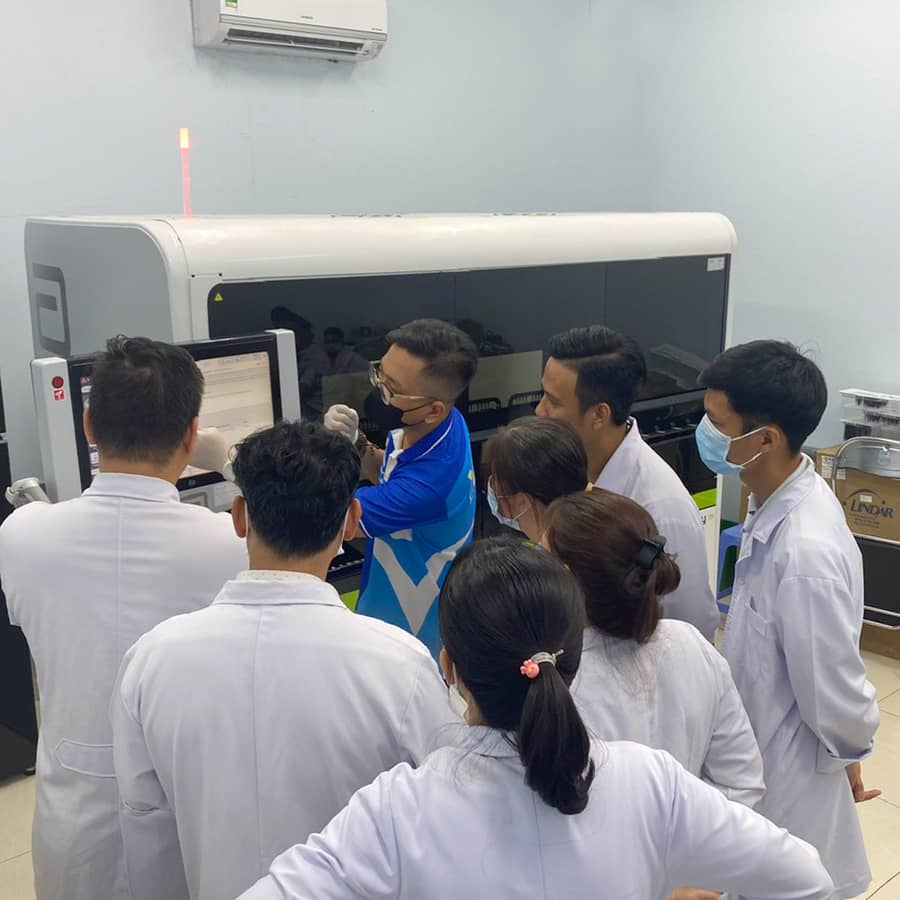
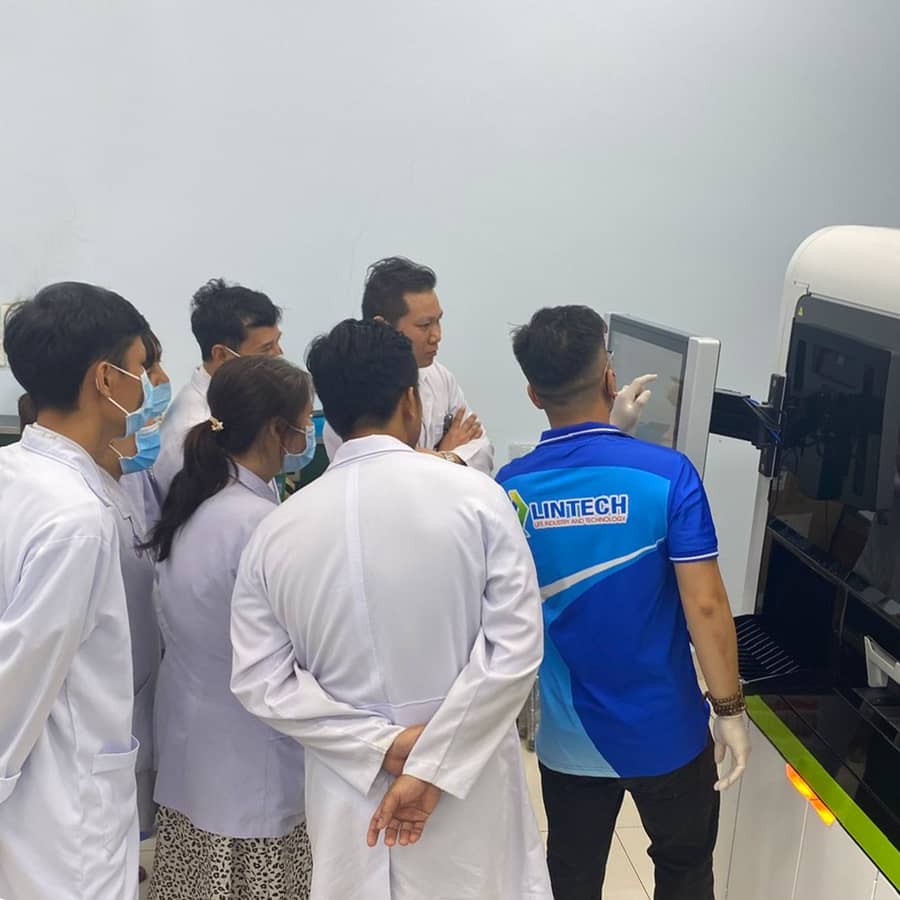
Lintech JSC is a trusted company in Vietnam, with 15 years of experience in the medical equipment field, specializing in supplying genuine Realtime PCR machines from renowned brands such as Abbott and Thermo Fisher Scientific, ensuring superior quality for diagnostics and research.
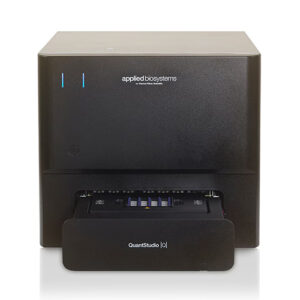
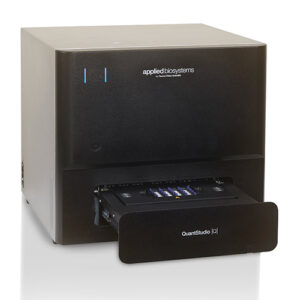
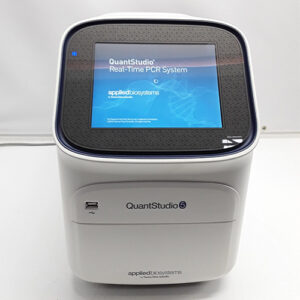
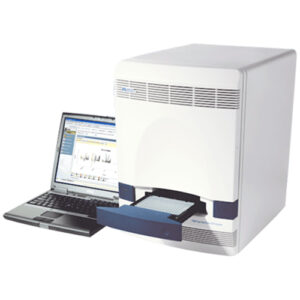
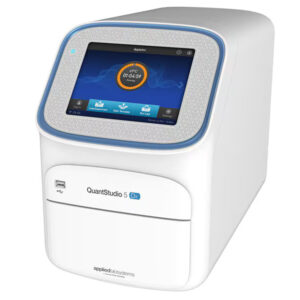
With over 10 years of expertise in medical and laboratory equipment, Lintech JSC has successfully implemented numerous PCR projects, including Realtime PCR m2000, QuanStudio 5 DX, and the 7500 Real-Time PCR System, for major hospitals such as Chợ Rẫy, Tâm Anh Hospital, testing centers, and research institutes across the country.
The team of technicians, professionally trained by manufacturers, along with comprehensive after-sales services including installation, maintenance, and 24/7 technical support, has established Lintech JSC as a reliable partner, providing optimal and effective PCR solutions for customers.


Anh Quốc

Anh Quốc

Anh Quốc

Anh Quốc
Singapore
Singapore