
 Tiếng Việt


Laboratory Equipment


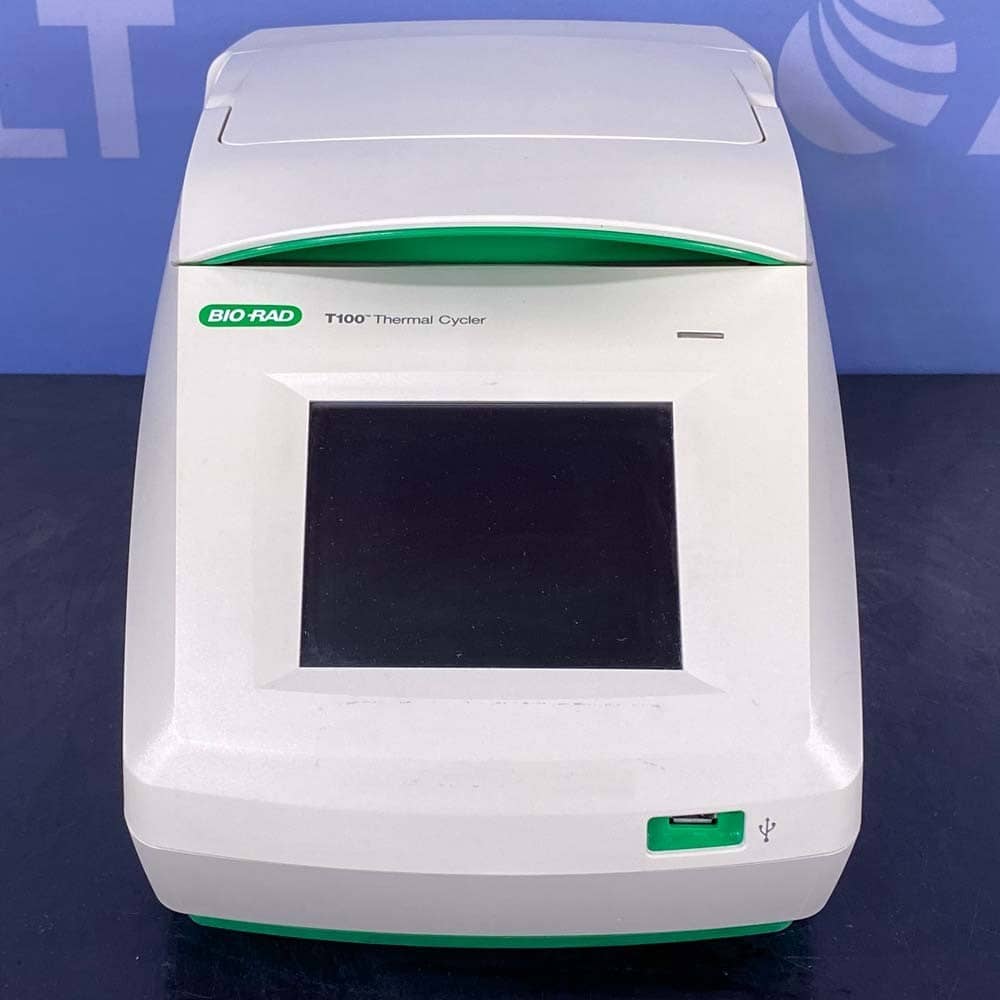


Bio-Rad T100 PCR Services Include:
✅ Maintenance ✅ Temperature Verification / Thermal Calibration
Advantages of Bio-Rad T100 PCR Maintenance and Calibration Services:
PCR Bio-Rad T100 is a thermal cycler widely used in molecular biology laboratories, genetic testing facilities, disease diagnostics laboratories, research centers, and food testing laboratories. This instrument offers high accuracy and enables stable DNA amplification reactions. However, to ensure the system continues operating according to specifications and delivers reliable test results, routine maintenance and calibration of the Bio-Rad T100 PCR system are essential requirements that every laboratory should implement consistently.
This article will help you understand why maintenance is necessary, the importance of calibration, the process of thermal verification and thermal calibration, as well as the practical significance of these activities in maintaining the quality of testing data.
Maintenance and calibration refer to a series of technical activities designed to ensure that equipment continues operating according to the specifications published by the manufacturer. For the Bio-Rad T100 PCR system, these activities include two main components:
These two activities always go hand in hand. A well-maintained instrument that has not been calibrated can still produce temperature-related inaccuracies, while a precisely calibrated instrument that is not routinely maintained may experience reduced lifespan and stability over time.
The Bio-Rad T100 PCR system operates by repeatedly heating and cooling samples through programmed cycles to perform DNA denaturation, annealing, and extension steps.
With frequent use and continuous temperature fluctuations, internal components such as the thermal block, temperature sensors, cooling fans, and control boards are subjected to significant stress over time. Without regular maintenance, the instrument may encounter the following issues:
For these reasons, routine maintenance helps identify potential issues early, extends instrument lifespan, minimizes laboratory downtime, and prevents costly repairs resulting from major equipment failures.
The answer is yes. The importance of Bio-Rad T100 PCR calibration is critical and directly affects the reliability of testing results.
You may also be interested in: Laboratory Equipment Calibration
PCR reactions are highly sensitive to temperature. Even a small temperature deviation during denaturation or annealing can cause amplification failure or generate non-specific products.
Several reasons why calibration is considered mandatory include:
In other words, a PCR instrument that has never been calibrated or whose calibration has expired is similar to an unverified weighing scale. The results may be correct, but there is no assurance that they are.
This is the core technical component of the entire Bio-Rad T100 maintenance and calibration process. The procedure is typically performed by qualified service engineers or accredited calibration providers and generally includes the following steps:
The technician inspects the exterior of the instrument, cleans the thermal block, checks the heated lid, rubber seals, power cables, cooling fans, and overall operating condition before proceeding with thermal verification.
A calibrated high-accuracy temperature measurement device (thermocouple or specialized temperature probe with traceable calibration) is used to measure actual temperatures at multiple locations across the T100 thermal block, including corner wells and central wells. Measuring multiple positions allows evaluation of temperature uniformity across the entire block, which is essential because samples located in different positions must receive consistent thermal treatment.
After measurements are collected, the technician compares actual temperatures with programmed temperatures at standard PCR temperature set points, such as 55°C, 72°C, and 95°C, corresponding to annealing, extension, and denaturation stages. If deviations exceed the limits specified by Bio-Rad, calibration adjustments are performed through the instrument control software or associated hardware components.
The T100 system is designed with rapid temperature transition rates to reduce PCR run times. Therefore, the calibration process also includes verification of heating rates (ramp up) and cooling rates (ramp down) to ensure they remain within the original manufacturer specifications.
Upon completion, the service provider prepares a detailed report that includes measurement results for each position, recorded deviations, equipment condition before and after adjustment, and a calibration certificate valid for a specified period, typically six or twelve months depending on laboratory requirements and instrument usage intensity.
For Bio-Rad T100 PCR instruments used in medical diagnostic laboratories or high-throughput research environments, experts generally recommend:
Maintenance and calibration are not merely administrative procedures. They provide significant benefits to laboratories and users:
Maintenance and calibration of the Bio-Rad T100 PCR system should never be overlooked by laboratories using this instrument for molecular diagnostics, medical testing, or scientific research.
Performing routine maintenance together with scheduled thermal verification and thermal calibration not only helps ensure stable and durable instrument performance but also serves as a critical factor in maintaining the accuracy and reliability of testing results while meeting quality standards required in healthcare and scientific research.
To achieve optimal performance, laboratories should establish a clearly defined maintenance and calibration schedule, select reputable and accredited calibration providers, and maintain complete calibration records and certificates year after year to support long-term quality management.
You can refer to: Laboratory equipment repair services
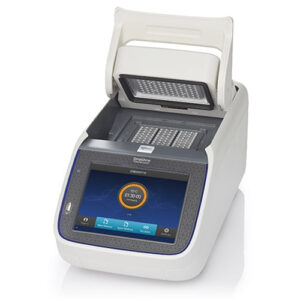
Applied Biosystems
Maintenance and Calibration of Veriti, Veriti DX, and ViiA7 PCR Systems

Applied Biosystems
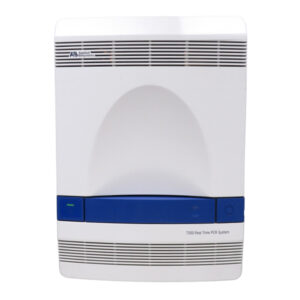
Applied Biosystems
Maintenance and Calibration for the 7500 Real Time PCR System
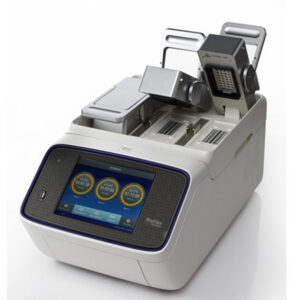
Applied Biosystems
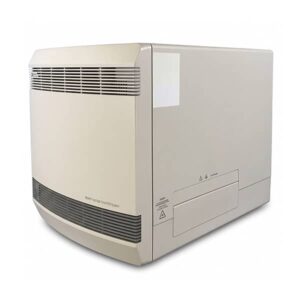
Applied Biosystems







Reviews
There are no reviews yet.