
 Tiếng Việt


Laboratory Equipment


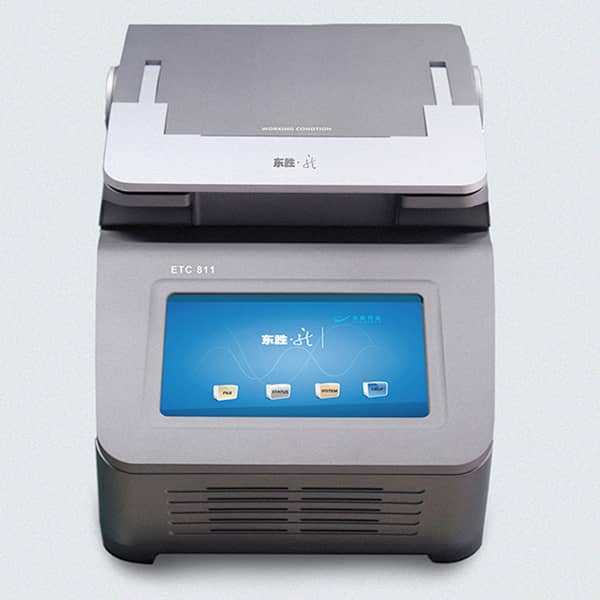


Maintenance and Calibration Services for Eastwin ETC811 and ETC821 PCR Systems Include:
Advantages of Maintenance and Calibration Services for Eastwin ETC811 and ETC821 PCR Systems
PCR (Polymerase Chain Reaction) systems play a central role in molecular biology laboratories, clinical diagnostics, and scientific research. The ETC811 and ETC821 PCR systems from Eastwin (Dong Thang Long) are widely used for their high stability, precise temperature control, and long service life.
However, maintaining optimal performance over time requires regular maintenance and calibration. This article provides detailed information on why PCR maintenance is necessary, the importance of routine servicing, how to perform temperature checks and calibration, and why professional services are recommended for the Eastwin ETC811 and ETC821 PCR systems.
PCR systems operate through continuous thermal cycling: DNA denaturation at high temperatures (typically around 94 to 98°C), primer annealing at intermediate temperatures (50 to 65°C), and strand extension at approximately 72°C. Each cycle requires extremely precise temperature control. Even a deviation of just 0.5°C can reduce amplification efficiency and produce false-positive or false-negative results, which is particularly critical in clinical diagnostic testing.
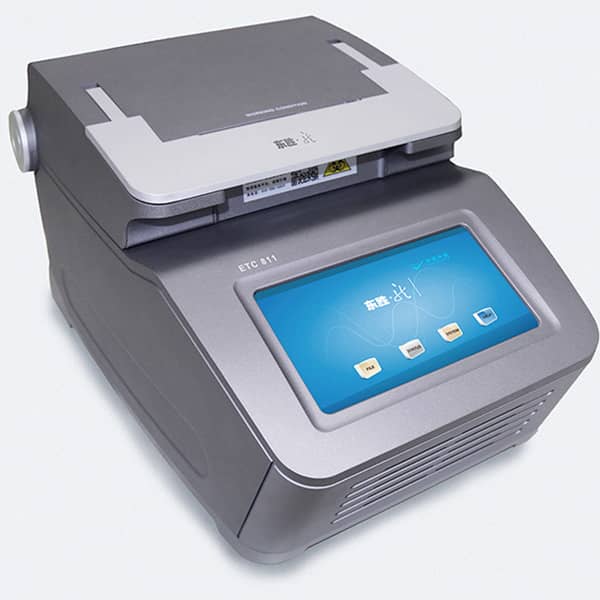
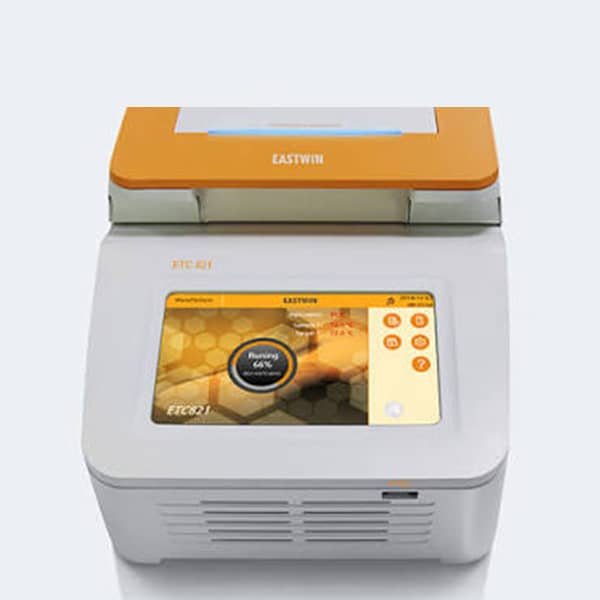
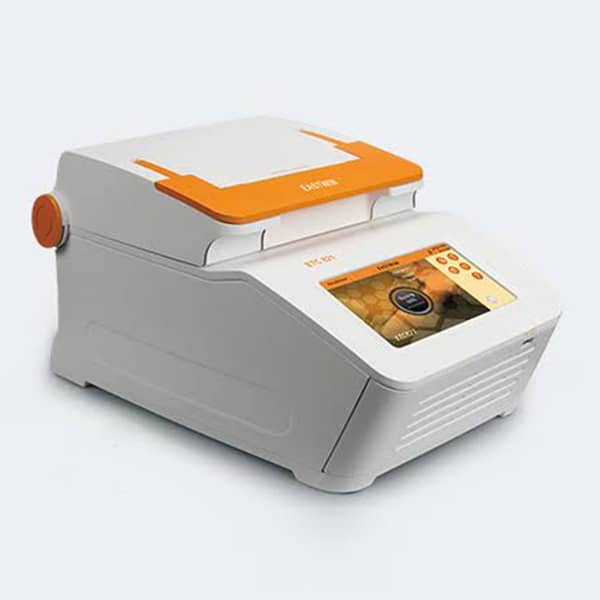
For the Eastwin ETC811 and ETC821 PCR systems, the thermal control system uses multi-zone Peltier technology combined with distributed temperature compensation. The ETC811 is the classic model, featuring temperature accuracy of ±0.1°C and temperature uniformity of ≤0.3°C at 55°C. The ETC821 is developed on the ETC811 platform but includes additional intelligent features, such as personal file management, operation logs, maintenance reminders, and a temperature calibration function available in engineering mode. Although these systems are designed for durability and feature long-life Peltier modules (with a service life more than 30% longer than the previous generation), their components are still affected by environmental conditions, usage frequency, and dust accumulation over time.
The main factors that can cause PCR system performance to deteriorate include:
Without timely maintenance and calibration, the ETC811 and ETC821 PCR systems may produce inconsistent results, extend experiment times, or even experience unexpected failures. Routine maintenance helps identify early signs of problems, extend equipment service life, and ensure the reliability of research data and test results.
Regular maintenance and calibration are not only recommended by Eastwin but are also required under many laboratory quality management systems, such as ISO 15189, ISO 17025, and GLP. For the ETC811 and ETC821 PCR systems, Eastwin has integrated maintenance reminders based on actual usage frequency. The system automatically evaluates the operating condition of the Peltier module and provides appropriate maintenance recommendations.
The importance of this process can be seen in several key areas:
Ensuring Accuracy and Reproducibility of Results
Accurate temperature control is a determining factor in successful PCR amplification. The ETC821 offers maximum heating and cooling rates of ≥5°C per second and temperature accuracy of ≤±0.1°C. If these parameters drift beyond acceptable limits, gene amplification efficiency can decrease significantly, particularly when working with low-concentration DNA samples or multiplex PCR reactions.
Extending Equipment Service Life
The PC series Peltier modules used in the ETC821 are designed to provide a service life more than 30% longer than the previous generation. However, without regular cleaning and inspection, accumulated dust can reduce cooling efficiency, causing components to become overloaded and fail prematurely. Proper maintenance helps the system maintain stable performance for many years.
Meeting Regulatory Requirements and Preparing for Audits
Clinical laboratories and research facilities operating under international standards are required to maintain complete calibration records. Traceable calibration certificates provide important documentation during inspections and quality assessments.
Reducing Long-Term Operating Costs
Unexpected repair costs or thermal module replacements are often significantly more expensive than routine maintenance. Identifying minor issues early helps prevent work interruptions and reduce operating expenses.
The recommended maintenance and calibration interval for the ETC811 and ETC821 PCR systems is generally every 6 to 12 months, depending on usage intensity. Laboratories operating their systems continuously for several hours each day should perform maintenance more frequently.
Temperature inspection and calibration are the most important steps in the entire PCR maintenance process. For Eastwin’s ETC811 and ETC821 series, this process focuses primarily on the thermal block and heated lid.
A professional procedure typically includes the following steps:
Step 1: Preparation and Cleaning
Turn off the system and allow it to cool completely. Clean the thermal block surface using a suitable non-corrosive cleaning solution to remove dust and chemical residue. Inspect the cooling fans to ensure they are not obstructed. Check the heated lid and locking mechanism to ensure even contact with the sample tubes.
Step 2: Multi-Point Temperature Measurement
Use a calibrated temperature sensor with a traceable calibration certificate and place it at multiple positions across the thermal block (typically at least 9 points, including the corners and center). Run a program simulating typical PCR temperature settings, such as 55°C, 72°C, and 95°C. Record the actual temperature at each point and compare the measurements with the values displayed by the system.
Step 3: Evaluating Temperature Uniformity and Ramp Rates
Calculate the temperature differences between wells. Measure the time required for the system to transition from a low temperature to a high temperature and vice versa to verify the ramp rate. The ETC821, with its independent three-zone Peltier technology and distributed temperature compensation, typically maintains excellent temperature uniformity when properly maintained.
You may also be interested in: Laboratory Equipment Calibration
Step 4: Adjustment and Verification
If the measurement error exceeds the allowable limits, a technician will adjust the parameters in the control software. The ETC821 provides a built-in temperature calibration function in engineering mode. After adjustment, the inspection cycle is repeated to verify that the results meet the required specifications. Finally, a measurement report is prepared, including temperature graphs, and a calibration certificate is issued.
The ETC821 also supports operation logs and maintenance records, making it easier to track usage history and identify potential abnormalities before formal calibration is performed.
Important Note: Temperature calibration must be performed using measuring instruments that have been calibrated against national or international standards. Calibration results are legally recognized only when performed by a qualified service provider using compliant equipment.
Many laboratories attempt to perform their own inspections using basic methods, but this can involve several risks. Professional services offer a number of clear advantages:
Certified and Traceable Measurement Equipment
Professional service providers use multi-point temperature sensors and reference thermometers calibrated by national metrology institutes. This ensures highly reliable measurement results that can be accepted during quality audits.
Technicians with In-Depth Knowledge of Eastwin PCR Systems
The ETC811 and ETC821 PCR systems feature specialized designs, including PC series Peltier modules, distributed temperature compensation systems, and dedicated engineering interfaces. Highly trained technicians understand how to access engineering mode, review error logs, and perform precise adjustments without damaging the software or hardware.
Comprehensive Troubleshooting and Maintenance
In addition to temperature inspection, professional services include comprehensive checks of the power supply, cooling fans, heated lid, ambient temperature sensors, self-test functions, and firmware updates when necessary. Technicians can also assess the condition of the Peltier module based on actual usage data recorded by the ETC821.
Complete Documentation and Ongoing Support
After each maintenance service, customers receive a detailed service report, a calibration certificate, and recommendations for the next maintenance interval. These records are essential when laboratories prepare for ISO audits or need to investigate equipment-related issues.
Saving Time and Minimizing Risks
Performing calibration independently can lead to measurement errors or equipment damage due to improper procedures. Professional service providers complete the process efficiently and accurately while taking responsibility for the quality of their work and the reported results.
For laboratories operating multiple Eastwin PCR systems, signing a periodic maintenance agreement also helps centralize equipment service records, plan maintenance schedules in advance, and minimize workflow disruptions.
The Eastwin ETC811 and ETC821 PCR systems are high-quality instruments offering excellent temperature accuracy and a range of intelligent operating features. However, regular maintenance and calibration are essential to maintaining stable long-term performance. Multi-point temperature inspections, temperature uniformity assessments, and parameter adjustments must be performed correctly using traceable measuring instruments.
Choosing professional maintenance and calibration services not only ensures reliable experimental results but also extends equipment service life, supports compliance with quality requirements, and optimizes operating costs. Schedule routine maintenance today to keep your Eastwin PCR system performing at its best.
You can refer to: Laboratory equipment repair services
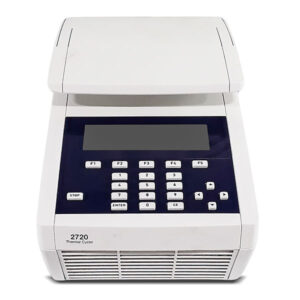
Applied Biosystems
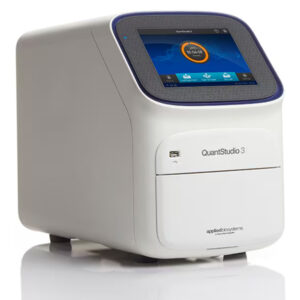
Applied Biosystems
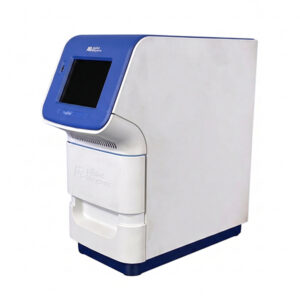
Applied Biosystems
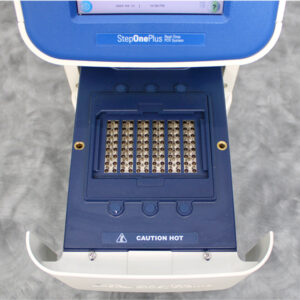
Maintenance and Calibration of ABI StepOnePlus Real Time PCR System
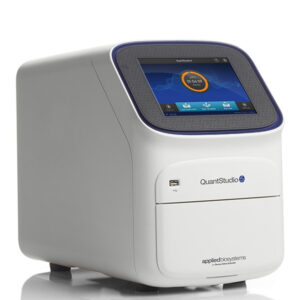
Applied Biosystems

Applied Biosystems

Applied Biosystems







Reviews
There are no reviews yet.