
 Tiếng Việt


Laboratory Equipment


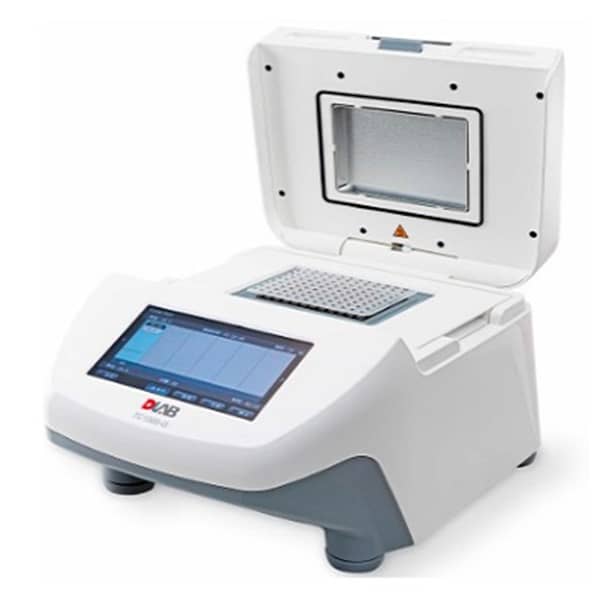
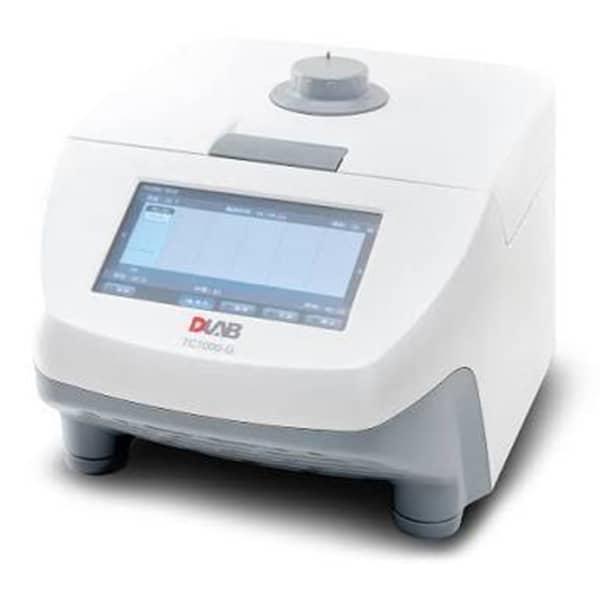
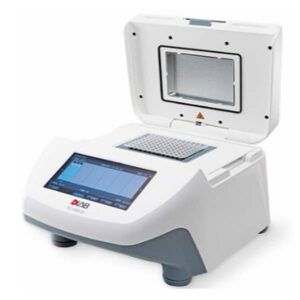
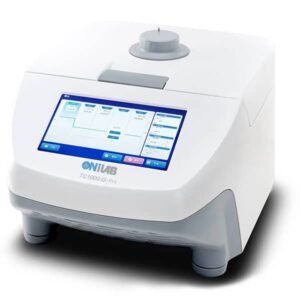
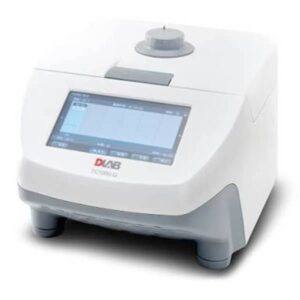
The Dlab TC1000-G PCR Thermal Cycler Maintenance and Calibration Service Includes:
Advantages of the Dlab TC1000-G PCR Thermal Cycler Maintenance and Calibration Service:
The Dlab TC1000-G PCR thermal cycler is an important piece of equipment in many molecular biology laboratories in Vietnam. With precise temperature control, gradient functionality, and a convenient touchscreen interface, it provides reliable support for gene amplification reactions. However, to maintain consistent performance and reliable results, regular maintenance and calibration are essential. This article takes an in-depth look at the key aspects of maintaining and calibrating the Dlab TC1000-G PCR thermal cycler, helping users understand why these procedures matter and how they should be properly performed.
PCR thermal cyclers operate by cycling through precisely controlled temperature changes. Each stage, including denaturation, annealing, and extension, requires temperature accuracy down to a fraction of a degree. According to the technical specifications of the Dlab TC1000-G PCR thermal cycler, its temperature accuracy is approximately ±0.3°C at 55°C, with temperature uniformity below 0.3°C. Over time, factors such as Peltier module wear, dust accumulation, temperature sensor drift, and reduced heated lid performance can affect these specifications.
Without proper maintenance and calibration, even minor temperature deviations can lead to several problems. Primers may fail to bind to their intended target sequences, DNA polymerase activity may become less efficient, and amplification products may be weak or accompanied by nonspecific bands. In medical diagnostics and critical research applications, these issues can result in false-negative or false-positive results, directly affecting data quality and clinical decision-making.
In addition, the Dlab TC1000-G PCR thermal cycler features an aluminum block and an auxiliary heating system designed to minimize edge effects. Over time, inadequate cleaning and inspection may allow these effects to reappear, causing temperature differences between the outer wells and those in the center of the block. Routine maintenance helps identify these problems early, before they affect entire batches of experiments.
Maintenance also helps extend the service life of the equipment. The heating and cooling modules are subjected to continuous thermal stress during operation. When dust accumulates on the cooling fans or airflow passages become blocked, internal temperatures can rise, reducing component lifespan. Regular calibration combined with proper maintenance helps the instrument maintain performance close to its original factory condition, reducing replacement costs and minimizing equipment downtime.
Regular maintenance and calibration are not merely manufacturer recommendations. They are also practical requirements in modern laboratory environments. For the Dlab TC1000-G PCR thermal cycler, the recommended maintenance interval is generally every six to twelve months, depending on usage frequency and the requirements of the laboratory’s quality management system. Laboratories operating under ISO 17025 or ISO 15189 requirements must maintain complete calibration records for assessment and accreditation purposes.
The importance of these procedures can be seen in several areas. First, they help ensure result reproducibility. When block temperatures remain stable and uniform, PCR reactions performed on the same instrument or across different instruments can produce comparable results. This is particularly important for laboratories processing multiple batches of samples or transferring analytical methods between facilities.
Second, routine maintenance helps identify early signs of performance deterioration. For example, the heating and cooling rates of the Dlab TC1000-G PCR thermal cycler typically range from approximately 3 to 5°C per second. As Peltier modules age, these rates may gradually decrease, extending cycle times and potentially affecting the amplification efficiency of longer DNA fragments. Regular inspections allow technicians to replace components when necessary, before they fail completely.
Third, maintenance and calibration support regulatory compliance and help reduce legal risks. In medical diagnostics and food testing, PCR results must be traceable. Calibration reports issued by qualified service providers serve as important supporting documentation during regulatory inspections or when disputes arise concerning test results.
Finally, regular maintenance and calibration provide long-term economic benefits. The cost of scheduled maintenance is generally much lower than that of emergency repairs or purchasing a replacement instrument. Many laboratories have found that implementing a strict maintenance schedule can improve PCR reaction success rates and significantly reduce equipment downtime.
Temperature is one of the most critical factors determining the success of PCR reactions. For this reason, temperature verification and calibration are central to the maintenance process for the Dlab TC1000-G PCR thermal cycler. This process typically involves several key checks, including temperature accuracy, uniformity, and heating and cooling rates.
You may also be interested in: Laboratory Equipment Calibration
Temperature accuracy is evaluated by comparing the actual temperatures at selected setpoints with the values displayed by the instrument. The key temperature points typically checked include approximately 95°C for denaturation, 55 to 65°C for annealing, and 72°C for extension. A high-accuracy reference measuring instrument, calibrated to internationally recognized standards, is placed in representative wells across the block. If the deviation exceeds the manufacturer’s allowable tolerance (typically ±0.3°C at 55°C for the Dlab TC1000-G PCR thermal cycler), technicians will adjust the temperature sensor or control parameters as necessary.
Temperature uniformity refers to the temperature variation among different wells on the same block at a given time. Edge effects are a common issue in many thermal cyclers, particularly when the auxiliary heating system does not function properly. The Dlab TC1000-G PCR thermal cycler’s distinctive block design and auxiliary heating mechanism help minimize this phenomenon. However, temperature uniformity may deteriorate after prolonged use. Measuring temperatures at the corners and center of the block helps determine the extent of temperature variation. The target temperature uniformity is generally below 0.3°C at 55°C.
Heating and cooling rates should also be checked. Depending on the version, the Dlab TC1000-G PCR thermal cycler supports maximum ramp rates of approximately 3 to 5°C per second. When these rates decrease due to component deterioration, cycle times become longer, potentially affecting reaction efficiency and overall laboratory productivity.
For thermal cyclers equipped with gradient functionality, such as the TC1000-G, verifying gradient temperature accuracy is also essential. The gradient function allows users to optimize annealing temperatures in a single run. If the actual temperatures across the different rows of wells do not match the programmed values, the optimization process may produce inaccurate results. Technicians use a multipoint temperature sensor system to measure several positions across the gradient block simultaneously.
Verification is generally performed under both static conditions, where the instrument maintains a constant temperature, and dynamic conditions, where it operates through actual cycling programs. All results are documented in a calibration report, together with information about the reference measuring equipment and environmental conditions. After calibration, the instrument is test-run using control samples to verify its actual operating performance.
Although some basic inspection procedures can be performed in-house, comprehensive maintenance and calibration of the Dlab TC1000-G PCR thermal cycler should be entrusted to a qualified service provider. There are several compelling reasons for this approach.
First, professional service providers have access to high-accuracy reference measuring equipment that is regularly calibrated against internationally recognized standards. Their temperature sensors and measuring instruments meet traceability requirements, helping ensure that calibration results are technically reliable and supported by valid documentation. Most laboratories do not have access to this level of specialized equipment for in-house calibration.
You can refer to: Laboratory equipment repair services
Second, professional technicians receive specialized training in the structure and operating principles of the Dlab TC1000-G PCR thermal cycler. They understand how to adjust software parameters, inspect Peltier modules, clean the cooling system, and check the heated lid. Attempting repairs without the appropriate technical knowledge may result in more serious equipment damage.
Third, professional service providers issue comprehensive calibration reports that support compliance with ISO 17025, ISO 15189, and applicable Vietnamese Ministry of Health requirements. These reports are important records when laboratories undergo accreditation assessments or regulatory inspections. Many service providers also offer recommendations for maintenance schedules based on the actual operating intensity of each laboratory.
Fourth, professional services save time and reduce operational risks. The instrument undergoes a comprehensive inspection, allowing technicians to identify components that may be approaching the end of their service life and replace them with the correct parts. This minimizes equipment downtime and helps prevent interruptions to laboratory testing.
Finally, choosing a service provider with experience in Dlab instruments offers additional peace of mind. Experienced technicians understand the specific characteristics of the TC1000-G PCR thermal cycler, including its temperature range of 4 to 105°C, heated lid temperature range of 30 to 110°C, power failure protection, and program storage capabilities. Based on these specifications, they can recommend the most appropriate maintenance solutions to keep the instrument operating reliably over the long term.
Maintaining and calibrating the Dlab TC1000-G PCR thermal cycler is essential for preserving its accuracy, reliability, and service life. Understanding the need for maintenance, recognizing the importance of regular servicing, performing temperature verification and calibration correctly, and choosing a professional service provider all contribute to consistently high-quality PCR results. Laboratories should establish an appropriate maintenance schedule and work with a reputable service provider to ensure that the Dlab TC1000-G PCR thermal cycler remains ready for important research and diagnostic applications.
Investing in maintenance and calibration not only protects laboratory equipment but also safeguards the quality of scientific data and public health. Take proactive steps today to keep your PCR thermal cycler operating at its optimal performance.

Applied Biosystems
Applied Biosystems
Maintenance and Calibration of Veriti, Veriti DX, and ViiA7 PCR Systems
Maintenance & Calibration
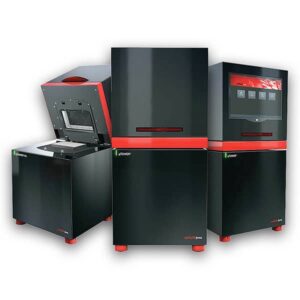
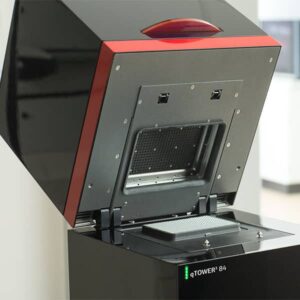
Maintenance and Calibration of the Analytik Jena qTOWER Real-Time PCR System
Applied Biosystems
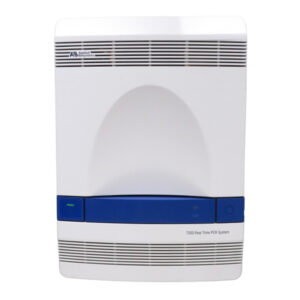
Maintenance and Calibration for the 7500 Real Time PCR System
Applied Biosystems







Reviews
There are no reviews yet.