
 Tiếng Việt


Laboratory Equipment


“`html
PCR amplification is highly dependent on temperature. Each stage of denaturation, annealing, and extension requires precise temperature control. Even minor temperature deviations can reduce amplification efficiency, produce nonspecific products, or even cause the entire reaction to fail.
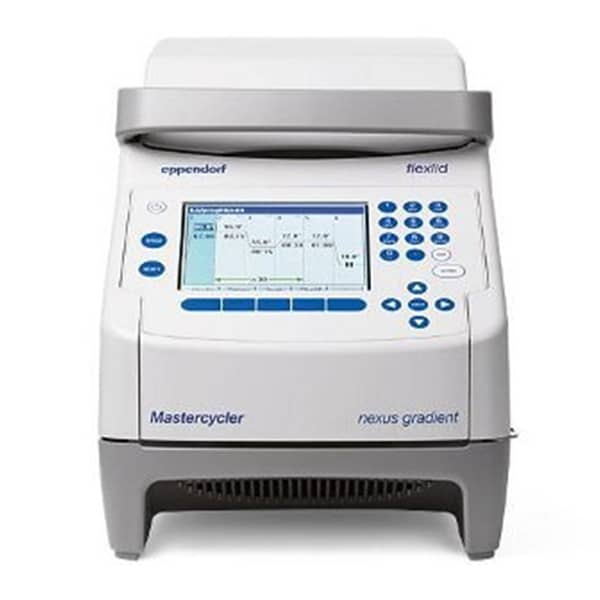
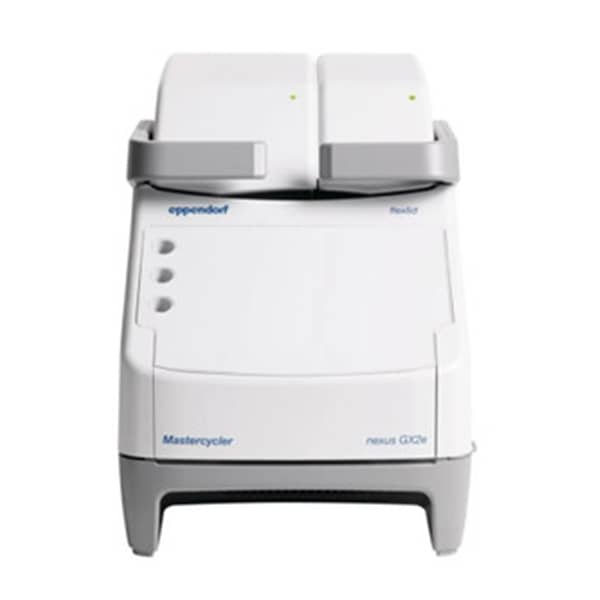
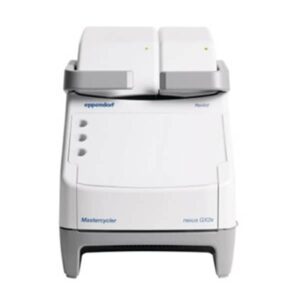
The Eppendorf Mastercycler nexus and nexus eco PCR thermal cyclers are designed with a temperature control accuracy of ±0.2°C and excellent temperature uniformity across the block. However, during prolonged use, temperature sensors and the Peltier system may gradually drift. Dust, sample residues, or accumulated moisture on the block and heated lid can also affect heat transfer performance.
Without regular maintenance and calibration, the equipment may operate outside its specified parameters without the user being aware. This can lead to inaccurate experimental data that may be difficult to detect immediately. Maintaining temperature accuracy is particularly essential for applications requiring high reproducibility, such as molecular diagnostics and quantitative research.
In addition, regular maintenance helps extend equipment lifespan, reduce the risk of unexpected breakdowns, and prevent costly repairs in the future. For the Eppendorf Mastercycler nexus and nexus eco PCR thermal cycler series, the manufacturer recommends periodic checks using the self-test function and temperature verification with a dedicated system.
Regular maintenance involves more than simply cleaning external surfaces. It also includes comprehensive inspections of the thermal and mechanical systems. For the Eppendorf Mastercycler nexus and nexus eco PCR thermal cyclers, key maintenance tasks include cleaning the instrument housing, heated lid, and thermal block. These procedures help prevent dust and sample residue buildup, improve heat transfer uniformity, and protect surfaces against corrosion.
Periodic calibration verifies that the actual temperature across the block matches the programmed temperature. The Eppendorf Mastercycler nexus and nexus eco PCR thermal cyclers provide temperature uniformity of ≤0.3°C at 35°C and ≤0.4°C at 90°C when the gradient function is not used. If temperature deviations exceed these limits, PCR results may become inconsistent between wells.
These instruments allow users to configure inspection intervals based on either the number of months or the number of programs run. When an inspection is due, the system reminds users to perform a self-test or temperature verification. The self-test checks heating and cooling rates, the operation of temperature control loops, and temperature uniformity across different block zones. Once completed, a PDF certificate can be generated for recordkeeping.
You may also be interested in: Laboratory Equipment Calibration
Following a regular maintenance and calibration schedule helps laboratories meet quality management requirements under standards such as ISO 17025 and ISO 15189. It also minimizes the risk of repeating experiments due to equipment instability. For systems that support connecting multiple eco units simultaneously, ensuring that all instruments are inspected regularly is even more important to prevent temperature discrepancies between units.
Regular maintenance also helps identify early signs of potential problems, such as deteriorating temperature sensors or an improperly seated heated lid. This allows laboratories to take corrective action before equipment issues affect research or production activities.
Temperature is the most critical parameter of a PCR thermal cycler. For the Eppendorf Mastercycler nexus and nexus eco PCR thermal cyclers, temperature verification and calibration focus on the accuracy and uniformity of the thermal block, as well as the heated lid temperature.
The built-in self-test function allows users to perform quick checks without external equipment. The self-test evaluates heating and cooling rates, the proper operation of temperature control loops, and temperature uniformity across individual block zones, including the left, center, and right sections, as well as the entire block. When the results meet the required specifications, a certificate is generated for recordkeeping.
For more accurate verification, the manufacturer recommends using a dedicated Temperature Verification System. This system measures the actual temperature at multiple positions across the block and compares the readings with the programmed setpoints. It supports both temperature verification and adjustment for the Eppendorf Mastercycler nexus and nexus eco PCR thermal cycler series. Measurements are typically performed at different temperature settings, such as 4°C, 35°C, 55°C, 75°C, and 95°C, after allowing sufficient time for temperature stabilization.
The temperature control accuracy of these instruments is ±0.2°C. Temperature uniformity is ≤0.3°C at 35°C and ≤0.4°C at 90°C. If measurement results fall outside the specified tolerances, qualified technicians will make the necessary adjustments to restore the equipment to its required operating specifications.
In addition to the thermal block, the heated lid must also be inspected because it helps prevent sample evaporation and maintain stable temperatures inside reaction tubes. Regular cleaning of the heated lid and thermal block using a soft, lint-free cloth and a neutral cleaning solution helps maintain effective heat transfer.
During calibration, environmental conditions should remain stable, without strong air currents or significant temperature fluctuations. Data from each inspection should be properly recorded and retained together with the corresponding certificates to support internal quality control and external audits.
Although the Eppendorf Mastercycler nexus and nexus eco PCR thermal cyclers feature a convenient self-test function, accurate calibration requires specialized measuring equipment and trained technicians. Professional services use temperature verification systems calibrated to internationally recognized standards to ensure reliable results and properly documented calibration records.
Professional technicians do more than check temperature accuracy. They also perform a comprehensive assessment of the equipment, including the cooling system, heated lid, network connections, and software. This allows them to identify potential problems that may not be easily detected by regular users. Upon completion, the service provider typically supplies a detailed report and relevant certificates for laboratory records.
Choosing a service provider with experience in Eppendorf equipment offers significant advantages. Their familiarity with the specific features of the Mastercycler nexus and nexus eco PCR thermal cyclers includes connecting eco units to a master unit, configuring inspection intervals, and following the correct temperature adjustment procedures. This helps ensure that maintenance is performed more efficiently and accurately.
You can refer to: Laboratory equipment repair services
Professional services also provide recommendations on maintenance schedules based on the laboratory’s actual usage frequency. For laboratories processing large numbers of samples every day, shorter inspection intervals can help maintain high equipment stability. In contrast, laboratories with moderate workloads may extend the intervals between inspections while still maintaining appropriate equipment performance and reliability.
Finally, using authorized service providers helps protect warranty coverage and ensures that any replacement components, when required, are genuine manufacturer parts. This contributes to maintaining the optimal performance of Eppendorf Mastercycler nexus and nexus eco PCR thermal cyclers throughout their service life.
“`

Applied Biosystems
Applied Biosystems
Applied Biosystems
Applied Biosystems










Reviews
There are no reviews yet.