
 Tiếng Việt


Laboratory Equipment


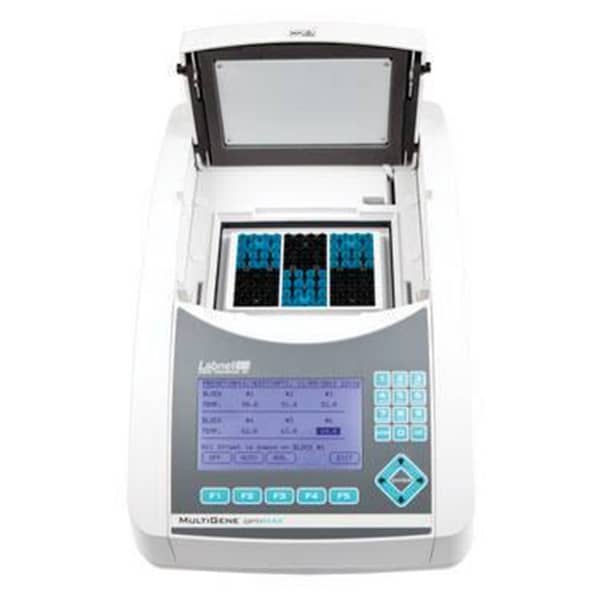
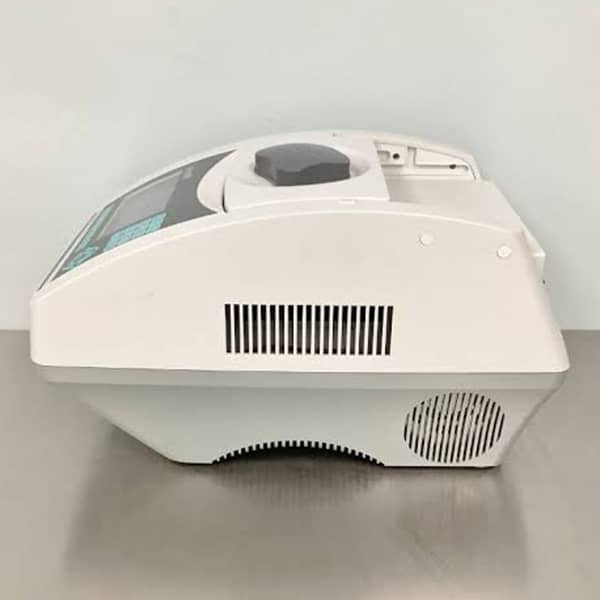
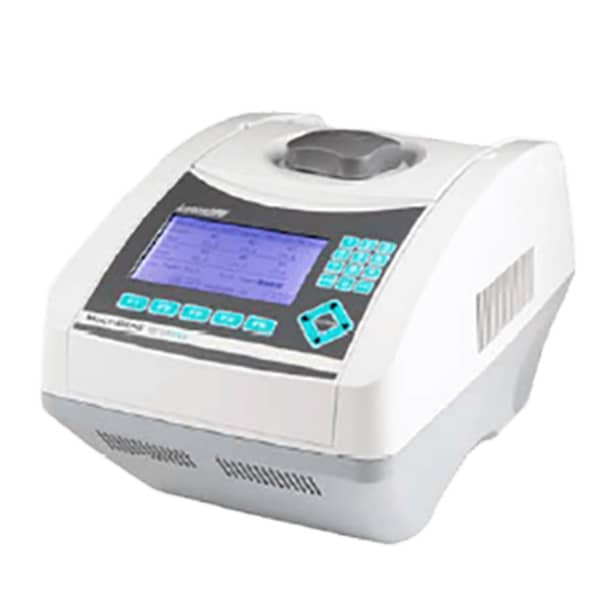
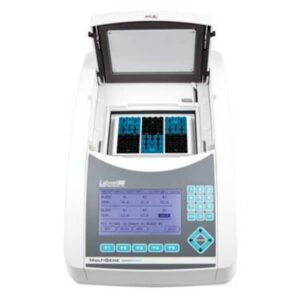
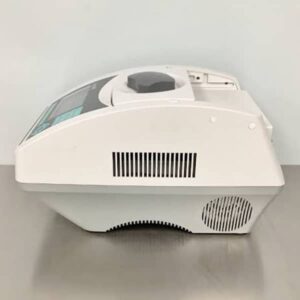
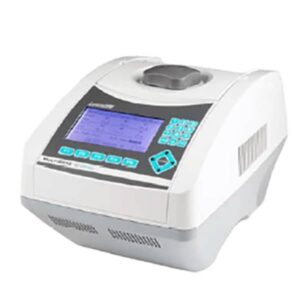
Maintenance and calibration services for the Labnet MultiGene OptiMax PCR thermal cycler include:
✅ Comprehensive maintenance of the main instrument and connected accessories (heated lid, power supply, USB/RS232 cables, etc.)
✅ Temperature inspection and calibration of the 96-well Peltier heating block, with measurement deviations compared against the manufacturer’s specifications (±0.5°C accuracy and uniformity)
✅ Support for interchangeable block replacement, software updates, temperature data log export, and inspection of the FlexTemp™ function with 6 independent temperature zones
✅ Detailed measurement reports provided for each instrument
## Why PCR Machine Maintenance and Calibration Are Necessary
The Labnet MultiGene OptiMax PCR thermal cycler is an important piece of equipment in molecular biology laboratories, enabling accurate and consistent DNA amplification. The thermal cycling process requires precise temperature control to ensure that PCR reactions proceed correctly.
You may also be interested in: Laboratory Equipment Calibration
If the instrument is not maintained regularly, temperature deviations may occur, resulting in inaccurate results or complete reaction failure. Maintenance helps remove dust and accumulated residue from the thermal block and heated lid, ensuring consistent operating performance.
Calibration ensures that the temperature sensors operate according to the manufacturer’s specifications. After prolonged use, components such as the Peltier module and cooling fan in the Labnet MultiGene OptiMax PCR thermal cycler may experience reduced performance.
Regular maintenance helps identify potential problems early, preventing interruptions to research or testing activities. Users should understand that a PCR thermal cycler is more than just a laboratory tool; it is also a critical factor in ensuring the reliability of scientific data.
Without proper maintenance, the instrument may develop temperature non-uniformity between sample wells, potentially affecting the entire experiment. Calibration verifies temperature accuracy across the operating range of 4°C to 99.9°C, according to the specifications of the Labnet MultiGene OptiMax PCR thermal cycler.
This is particularly important when the instrument is used for applications requiring high sensitivity, such as genotyping or primer optimization. Maintenance and calibration also help extend the equipment’s service life and reduce the risk of costly repairs in the future.
Laboratories that follow quality standards routinely require PCR thermal cyclers to undergo periodic inspections to ensure that test results remain traceable and reliable. The Labnet MultiGene OptiMax PCR thermal cycler features FlexTemp technology, which allows multiple temperature zones to be configured independently, making temperature accuracy even more important.
Without proper maintenance, these temperature zones may become inconsistent, leading to significant measurement errors. Operators should understand the importance of keeping the instrument in optimal working condition to support reliable and efficient research.
Regular maintenance and calibration of the Labnet MultiGene OptiMax PCR thermal cycler provide several practical benefits for laboratories.
First, these procedures help maintain temperature accuracy within ±0.5°C, according to the manufacturer’s specifications. When the instrument operates continuously in a laboratory environment, dust and moisture may enter through openings and affect heat dissipation performance.
Routine maintenance includes cleaning the instrument’s exterior, removing residue from the thermal block, and inspecting the heated lid to eliminate factors that may interfere with operation. Periodic calibration verifies that the heating and cooling rates remain within their optimal ranges, approximately 5°C per second during heating and 3.5°C per second during cooling.
These procedures help ensure short and consistent PCR run times, saving valuable laboratory time. Without regular maintenance, the Labnet MultiGene OptiMax PCR thermal cycler may experience temperature overshoot or undershoot, resulting in incomplete reactions. Maintenance also includes inspecting the cooling fan and electrical connections to prevent overheating and system errors. For laboratories operating under ISO standards, having a valid periodic calibration certificate is a mandatory requirement for maintaining the validity of test results.
The Labnet MultiGene OptiMax PCR thermal cycler supports the storage of multiple programs, making it essential to ensure that its software and hardware operate in sync. Regular maintenance helps identify problems such as faulty temperature sensors or degraded Peltier module performance, allowing corrective action to be taken promptly. This helps users avoid having to interrupt experiments due to unexpected instrument errors. Periodic calibration also checks temperature uniformity across the 96 wells of the thermal block, ensuring that all samples are exposed to consistent conditions.
The importance of regular maintenance is also reflected in lower long-term operating costs, as well-maintained equipment is less likely to experience breakdowns. Laboratories can schedule maintenance every six months and calibration every twelve months, depending on usage intensity. Given the flexible temperature control capabilities of the Labnet MultiGene OptiMax PCR thermal cycler, regular inspections are particularly important to ensure that its features perform as intended.
Routine maintenance may also include available software updates and inspections of USB or RS232 ports to ensure stable communication with computers. This allows users to maintain confidence in the results generated by the instrument. Following a regular maintenance and calibration schedule helps establish professional laboratory workflows and enhance the laboratory’s reputation.
Temperature inspection and calibration are the most important steps in the maintenance process for the Labnet MultiGene OptiMax PCR thermal cycler. Temperature plays a decisive role in every stage of the PCR reaction, from denaturation and primer annealing to extension. The Labnet MultiGene OptiMax PCR thermal cycler uses Peltier technology to provide precise temperature control across a range of 4°C to 99.9°C.
To inspect temperature performance, technicians use specialized temperature measurement equipment placed at different positions on the thermal block to evaluate temperature uniformity. Temperature accuracy must meet the manufacturer’s specification of ±0.5°C across the range of approximately 30°C to 99.9°C.
Calibration involves comparing actual temperature readings with the set values and making adjustments when necessary through the service mode, which is accessible only to authorized personnel. Since the Labnet MultiGene OptiMax PCR thermal cycler features six independent temperature zones through FlexTemp technology, inspections must cover all zones to ensure that temperature differences do not exceed 24°C. Checking heating and cooling rates also helps confirm that the instrument maintains its high performance and delivers shorter run times. The heated lid must also be inspected because its temperature can be adjusted from 60°C to 115°C to prevent condensation. If the lid does not maintain the correct temperature, samples may evaporate or become contaminated.
The calibration process typically uses certified reference sensors to record measurement results and prepare a calibration report. After calibration, the Labnet MultiGene OptiMax PCR thermal cycler is verified to ensure that it operates within the permitted limits. Inspections also include monitoring temperature performance during actual PCR programs to identify overshoot or undershoot conditions. If significant deviations are detected, technicians will make the necessary adjustments or replace the relevant components. Regular inspections help identify temperature sensor drift caused by prolonged use.
You can refer to: Laboratory equipment repair services
For research and diagnostic laboratories, a temperature calibration certificate provides evidence that the Labnet MultiGene OptiMax PCR thermal cycler is ready for critical experiments. Users should retain all inspection data to monitor changes in instrument performance over time. Temperature calibration also supports the optimization of complex PCR protocols, such as touchdown PCR or time increment protocols. With thorough inspections, the instrument can maintain a high level of reliability throughout its service life. This procedure should be performed by a qualified service provider to ensure safety and accuracy.
Choosing professional maintenance and calibration services for the Labnet MultiGene OptiMax PCR thermal cycler provides greater peace of mind and better results than performing these procedures independently. Professional technicians receive specialized training in the structure and operating principles of the Labnet MultiGene OptiMax PCR thermal cycler, giving them a thorough understanding of its technical components. They also have access to service mode, allowing them to perform advanced adjustments that are not available to regular users.
Professional service providers use temperature measurement equipment that has been calibrated in accordance with international standards, ensuring accurate calibration results with recognized validity. During professional maintenance, technicians conduct comprehensive inspections covering the electrical system, thermal modules, cooling fan, and control software. They identify and resolve potential problems before they develop into major equipment failures, helping reduce repair costs.
The Labnet MultiGene OptiMax PCR thermal cycler features several advanced functions, including six independent temperature zones and high ramp rates, requiring specialized expertise for proper calibration. Professional services provide detailed calibration reports and certificates to help laboratories meet quality assurance and accreditation requirements. Users also receive guidance on proper cleaning procedures, including the use of soft cloths and deionized water to avoid damaging the instrument’s surfaces. Professional technicians can also inspect and replace worn components, such as fuses or sensors, when necessary. These procedures help ensure that the Labnet MultiGene OptiMax PCR thermal cycler operates reliably and safely. Choosing professional services also reduces the risk of equipment damage caused by improper handling by inexperienced personnel. Reputable service providers often offer post-maintenance warranties, providing long-term peace of mind.
Laboratories can also receive scheduled maintenance reminders to help maintain consistent instrument performance. Professional service providers can offer additional advice on optimizing the operation of the Labnet MultiGene OptiMax PCR thermal cycler to meet specific laboratory requirements. This allows users to focus on their research without having to worry about equipment condition. Choosing a service provider with experience in Labnet instruments helps ensure that maintenance is completed quickly and efficiently.
Ultimately, the instrument remains ready for critical experiments with the highest possible level of accuracy. Professional maintenance is a smart investment in protecting laboratory equipment and ensuring the long-term reliability of scientific data.
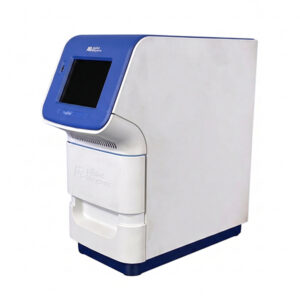
Applied Biosystems
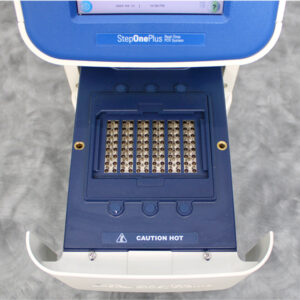
Maintenance and Calibration of ABI StepOnePlus Real Time PCR System
Applied Biosystems
Applied Biosystems
Applied Biosystems
Applied Biosystems

Applied Biosystems
Maintenance & Calibration
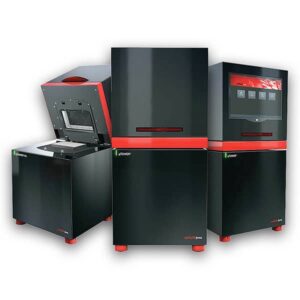
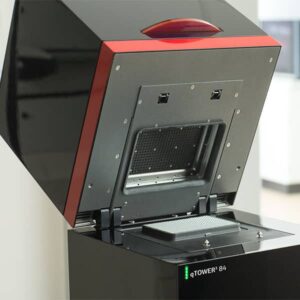
Maintenance and Calibration of the Analytik Jena qTOWER Real-Time PCR System








Reviews
There are no reviews yet.