
 Tiếng Việt


Laboratory Equipment


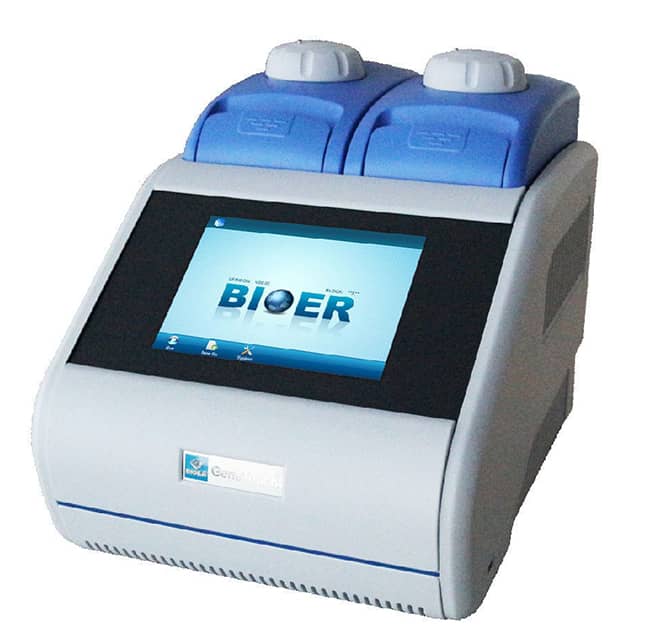
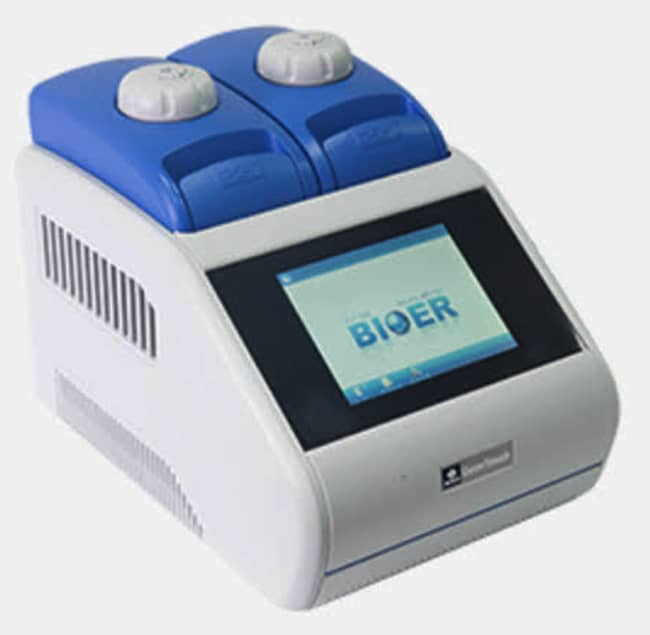
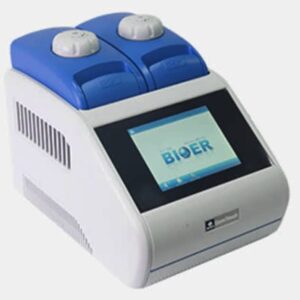
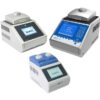
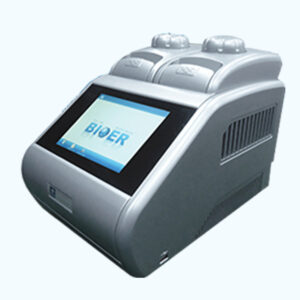
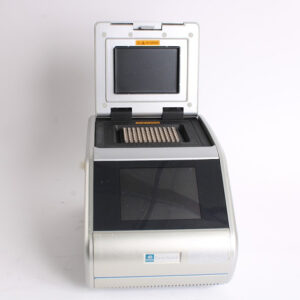
Bioer Gene Touch Plus Thermal Cycler Services Include:
✅ Maintenance ✅ Temperature Verification / Thermal Calibration
Advantages of The PCR Bioer Gene Touch Plus Thermal Cycler Maintenance and Calibration Services:
Gene Touch Plus is a thermal cycler trusted by many laboratories for its rapid heating performance, temperature uniformity, and consistent results over years of operation. However, regardless of how advanced an instrument may be, it can gradually drift out of specification if not properly maintained and calibrated. This can lead to inaccurate data, directly affecting testing quality and the laboratory’s professional reputation.
PCR instruments, including the Gene Touch Plus, operate by continuously cycling through precise temperature changes to amplify genetic material. Even a minor deviation in temperature or hold time can cause amplification failure or generate false-positive and false-negative results.
Over time, heating elements, temperature sensors, heated lids, and control boards can deteriorate due to normal wear, dust accumulation, or unstable power supply conditions. As a result, although the display may still indicate the programmed temperature, the actual temperature at individual sample wells may differ significantly. This is why routine maintenance and calibration are essential, helping laboratories identify potential issues before they compromise test results.
You may also be interested in: Laboratory Equipment Calibration
In addition, laboratories accredited under ISO 15189 or participating in quality accreditation programs are generally required to maintain documented calibration records for equipment such as the Gene Touch Plus as part of ongoing assessment and reaccreditation processes.
Regular maintenance and calibration of the Gene Touch Plus provide several important benefits for laboratory operations.
First, they ensure result accuracy. When the heating block is properly verified and calibrated, each sample well receives a consistent temperature profile, minimizing variability across positions and producing reliable amplification results.
Second, they extend instrument lifespan. Routine cleaning of the heating block, inspection of cooling fans, removal of internal dust, and tightening of electrical connections help reduce stress on electronic components, prevent unexpected failures, and prolong the service life of the instrument.
Third, they reduce operating costs. Early detection of abnormal performance through preventive maintenance helps laboratories avoid costly repairs caused by major component failures and minimizes wasted reagents and clinical samples due to repeated testing.
Fourth, they support regulatory compliance. Many standards and laboratory quality requirements mandate periodic calibration of analytical instruments, including the Gene Touch Plus, typically every six months or annually depending on usage frequency and internal laboratory policies.
Temperature verification and calibration are the core components of Gene Touch Plus maintenance because temperature control directly determines the success of PCR amplification. The process typically includes the following activities.
Verification of temperature uniformity across wells. Technicians use specialized temperature probes positioned at multiple locations on the heating block, including the center and corner wells, to compare actual temperatures with programmed values.
Verification of temperature accuracy at commonly used set points. For the Gene Touch Plus, calibration is typically performed at temperatures associated with denaturation, primer annealing, and extension steps, since these critical temperatures directly influence amplification performance.
Verification of heating and cooling rates. The instrument’s ability to rapidly and consistently transition between temperature steps significantly affects both run time and amplification quality, making this parameter an important part of the evaluation process.
Inspection of heated lid sealing and pressure. An improperly sealed or insufficiently pressurized heated lid may allow sample evaporation during PCR cycling, altering sample concentrations and affecting final results.
If measurements reveal deviations beyond acceptable tolerances, technicians will adjust the thermal control parameters accordingly. Upon completion, a calibration certificate and detailed performance report are issued, providing documented evidence for laboratory quality records.
Many laboratories perform basic maintenance tasks such as cleaning the instrument exterior or checking the power supply. However, professional service providers offer significant advantages when it comes to temperature calibration.
First, professional services ensure measurement accuracy. Qualified providers use calibrated temperature probes and reference instruments that are traceable to national or international standards, ensuring that calibration results for the Gene Touch Plus accurately reflect actual performance rather than estimates or assumptions.
Second, they provide experienced technical expertise. Technicians specifically trained on the Gene Touch Plus platform understand the heating block design, control system architecture, and common failure modes, enabling them to identify potential problems that may not be apparent to routine users.
Third, they provide complete documentation and certification. After each calibration service, laboratories receive detailed test reports and calibration certificates that support regulatory inspections, quality audits, and accreditation requirements.
Finally, professional services save time and reduce operational risk. Rather than dedicating valuable resources to troubleshooting and learning calibration procedures, laboratory personnel can focus on core testing activities while experienced specialists perform maintenance and calibration efficiently and safely.
You can refer to: Laboratory equipment repair services
Routine maintenance and calibration do more than keep the Gene Touch Plus operating smoothly. They play a critical role in protecting the reliability of the entire laboratory testing process. Investing in these services helps safeguard data quality, reduce long-term operating costs, and maintain the laboratory’s professional credibility and compliance standards.
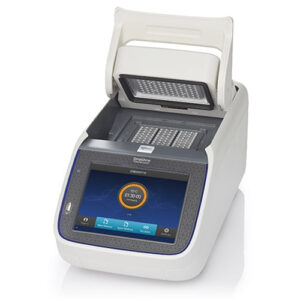
Applied Biosystems
Maintenance and Calibration of SimpliAmp™ PCR Thermal Cycler

Applied Biosystems
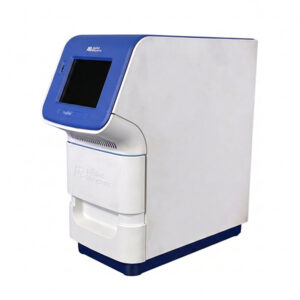
Applied Biosystems
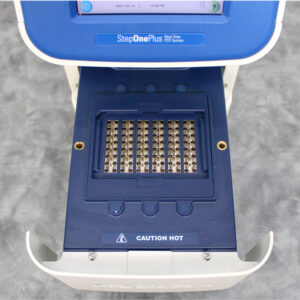
Maintenance and Calibration of ABI StepOnePlus Real Time PCR System
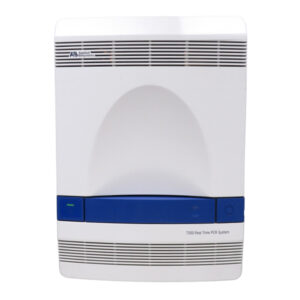
Applied Biosystems
Maintenance and Calibration for the 7500 Real Time PCR System







Reviews
There are no reviews yet.