
 Tiếng Việt


Laboratory Equipment


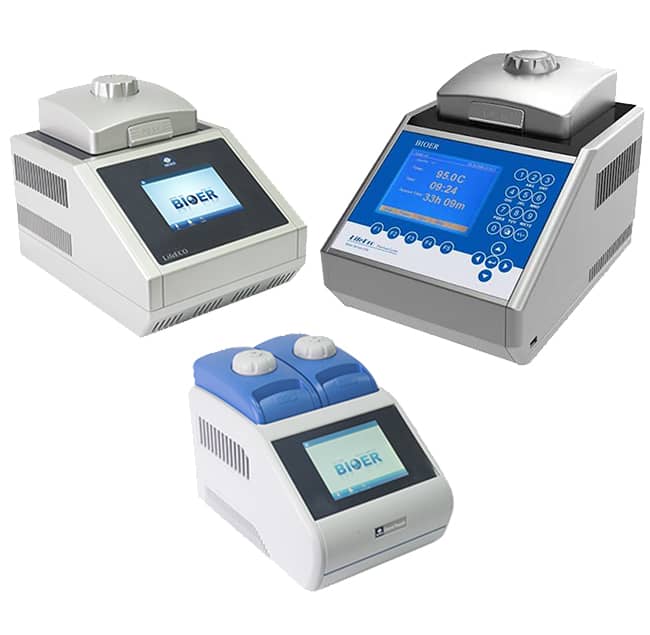
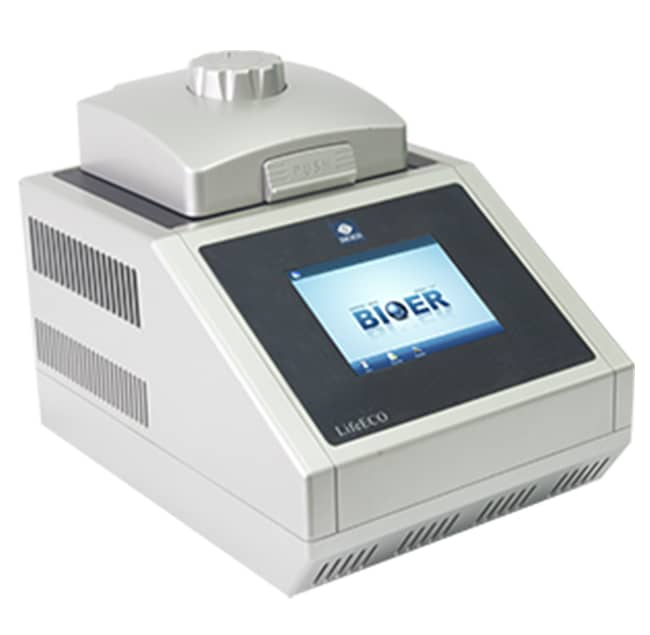
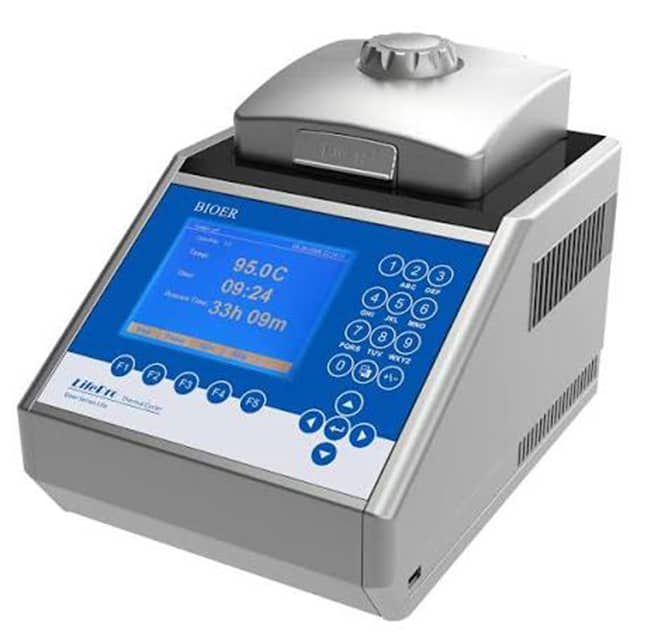
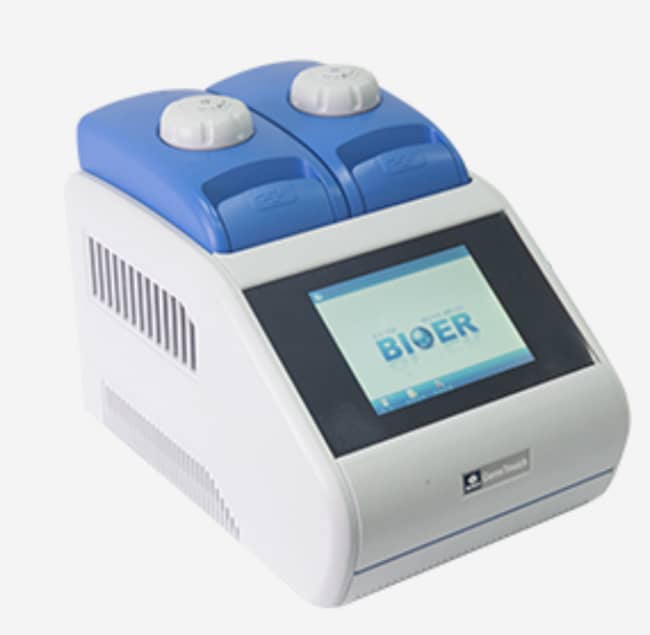
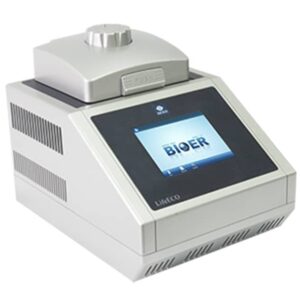
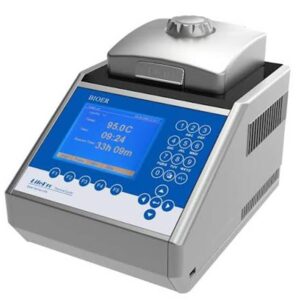
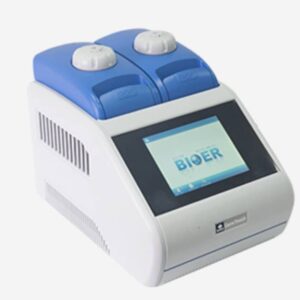
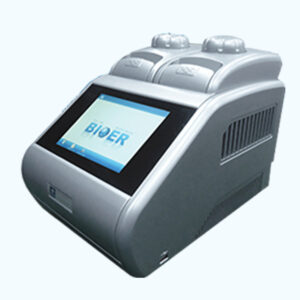
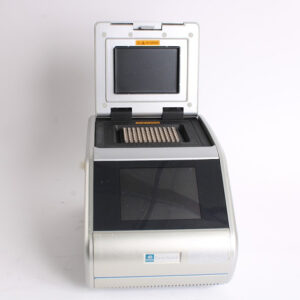
PCR Bioer LifeECO, LifePro, LifeTouch Services Include:
✅ Maintenance ✅ Temperature Verification / Thermal Calibration
Advantages of The PCR Bioer LifeECO, LifePro, LifeTouch Maintenance and Calibration Services:
PCR instruments are essential equipment in molecular biology laboratories, infectious disease diagnostics, genetic testing, and scientific research. Bioer’s three PCR platforms, LifeECO, LifePro, and LifeTouch are designed to perform DNA amplification with high accuracy. However, over time, electronic components, heating systems, and temperature control modules can drift from specification due to normal wear and tear.
You may also be interested in: Laboratory Equipment Calibration
Without regular maintenance and calibration, PCR systems may experience temperature deviations during denaturation, annealing, and extension steps, resulting in inconsistent amplification, false-negative results, or false-positive results. This represents a significant risk for clinical laboratories, where PCR results directly influence diagnostic and treatment decisions.
You may also be interested in: Laboratory Equipment Calibration
Routine maintenance and calibration not only help identify potential technical issues early but also extend equipment lifespan, reduce unexpected repair costs, and ensure laboratories continue to meet quality standards such as ISO 15189 and Ministry of Health requirements.
LifeECO is a standard PCR platform well suited for small to medium-sized laboratories, district-level healthcare facilities, and teaching laboratories. Because of its streamlined and cost-effective design, the system should be routinely inspected for heated lid performance, thermal block integrity, and control board functionality to ensure consistent temperature uniformity across all reaction wells. Scheduled maintenance helps LifeECO maintain reliable performance even under heavy daily testing workloads.
LifePro is a more advanced PCR platform that typically includes enhanced features such as rapid heating rates, multi-step programming capabilities, and higher temperature accuracy. Due to its high-performance operation, LifePro requires a more rigorous calibration process, particularly for temperature sensors and heating/cooling rate verification, to ensure complex PCR protocols are executed with precise timing and temperature control.
LifeTouch is a PCR platform equipped with a touchscreen interface and intelligent control software, making it ideal for modern laboratories that require fast operation, program storage, and efficient run management. In addition to temperature calibration, LifeTouch also requires software maintenance, touchscreen responsiveness checks, and data synchronization verification to prevent workflow interruptions.
Although each platform offers different features and configurations, the primary objectives of routine maintenance and calibration remain the same: ensuring temperature accuracy, maintaining well-to-well uniformity, and preserving the stability of the control system.
You can refer to: Laboratory equipment repair services
Temperature accuracy is one of the most critical factors affecting PCR performance. The temperature verification and calibration process for LifeECO, LifePro, and LifeTouch systems typically includes the following steps.
First, a technician uses a calibrated temperature measurement device, traceable to national or international standards, to measure the actual temperature at individual reaction wells within the thermal block. The measured values are then compared with the temperatures displayed by the instrument to determine any deviation.
Next, temperature uniformity across all sample wells is evaluated to ensure the difference between the hottest and coolest wells remains within the manufacturer’s specified tolerance. This step is particularly important because poor temperature uniformity may cause some samples to amplify successfully while others fail under the same PCR protocol.
Once any deviations are identified, the technician adjusts the instrument’s control parameters as needed and verifies heating and cooling rates to ensure the system reaches target temperatures within the specified timeframe. Finally, all measurements and calibration results are documented in a formal report, and a calibration certificate is issued along with a calibration label indicating the calibration date and the next scheduled calibration date.
Temperature calibration is generally recommended at least once every six to twelve months, depending on instrument usage and laboratory requirements. Laboratories operating PCR systems continuously or performing critical clinical testing should consider shortening the calibration interval to every three to six months.
While basic on-site inspections can help identify certain issues, laboratories seeking the highest level of accuracy should rely on professional maintenance and calibration services provided by qualified organizations equipped with regularly calibrated reference instruments and experienced technicians familiar with Bioer PCR platforms.
Professional service providers offer several key advantages. First, calibration results are more reliable because both the measurement equipment and procedures comply with recognized standards. Second, experienced technicians understand the unique characteristics of each platform, including the hardware architecture of LifeECO, the advanced performance capabilities of LifePro, and the intelligent control system of LifeTouch, allowing them to provide maintenance solutions tailored to each instrument rather than applying a generic approach.
You can refer to: Laboratory equipment repair services
Third, professional maintenance services provide complete documentation, calibration records, and valid calibration certificates that support internal quality management programs and regulatory inspections. Finally, routine maintenance performed by qualified technicians helps identify early signs of wear or component failure, reducing the risk of unexpected downtime, minimizing disruptions to laboratory operations, and lowering long-term repair costs.
In summary, whether your laboratory uses a LifeECO, LifePro, or LifeTouch PCR system, maintaining a regular maintenance and calibration schedule combined with professional technical support is essential for ensuring accurate, reliable, and quality-compliant PCR results in today’s laboratory environment.
Applied Biosystems
Applied Biosystems

Applied Biosystems
Maintenance and Calibration of MiniAmp™ PCR and MiniAmp™ Plus Thermal Cycler

Applied Biosystems
Applied Biosystems
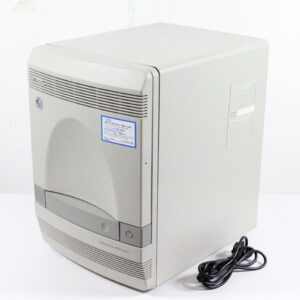
Maintenance and Calibration of the ABI 7300 Real Time PCR System
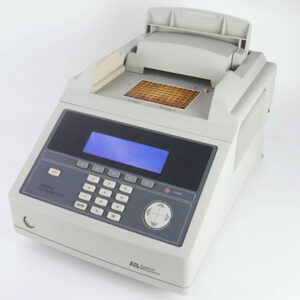
Applied Biosystems








Reviews
There are no reviews yet.