
 Tiếng Việt


Laboratory Equipment


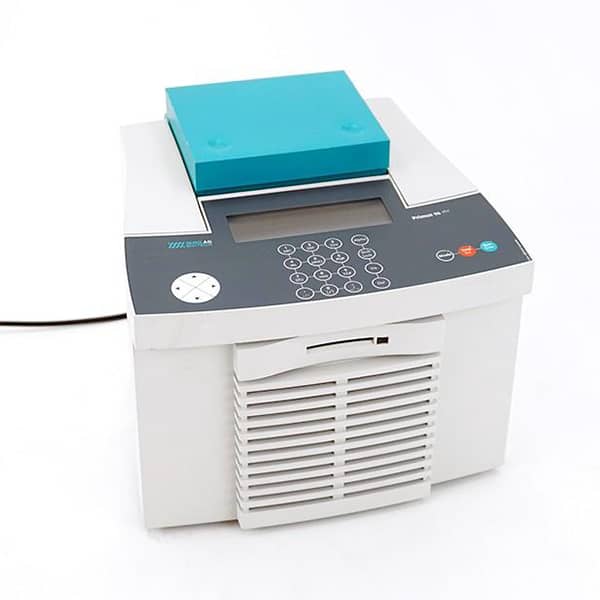
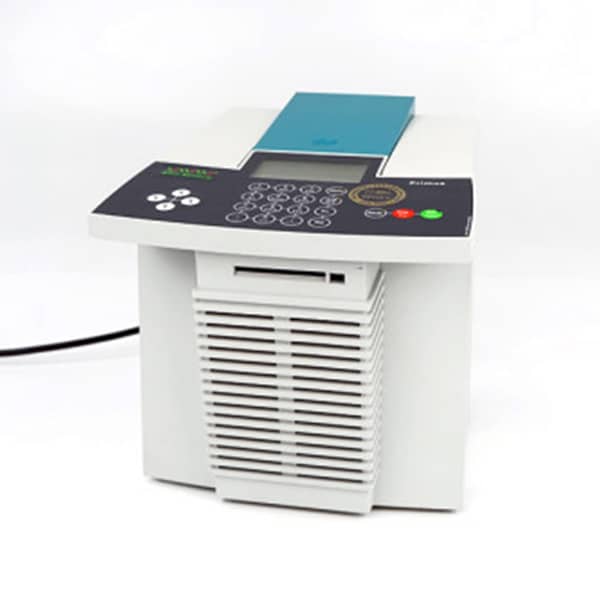
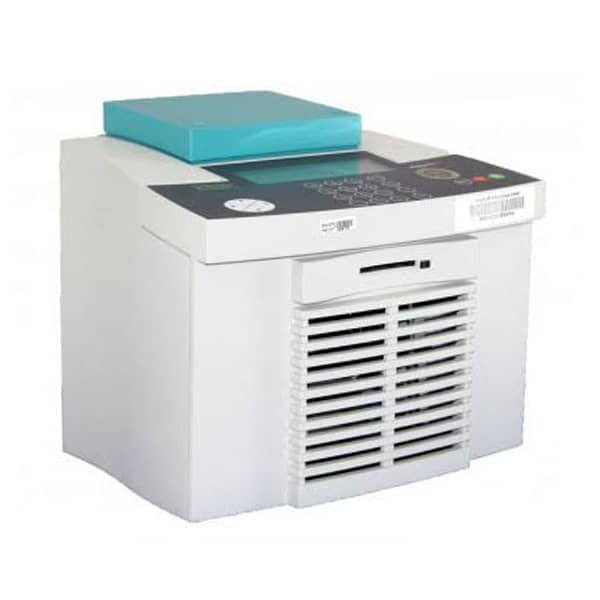
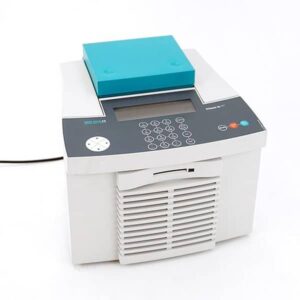
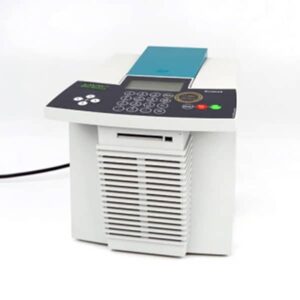
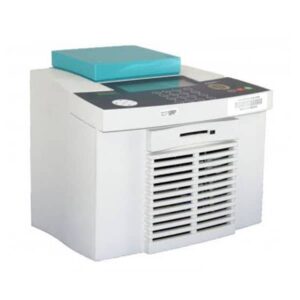
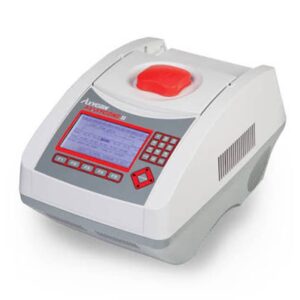
Maintenance and Calibration Services for MWG Biotech Primus PCR Instruments Include:
✅ Comprehensive maintenance of the main instrument and all associated components
✅ Temperature testing and calibration, with measurement deviations compared against the manufacturer’s specifications (approximately 0.1°C temperature accuracy and 0.5°C block uniformity)
✅ Support for thermal block replacement, heated lid inspection, and temperature log export
✅ Detailed measurement reports provided for each instrument
Advantages of MWG Biotech Primus PCR Maintenance and Calibration Services
PCR instruments operate based on precise thermal cycling to amplify target DNA sequences. For the MWG Biotech Primus series, the thermal block must maintain temperatures ranging from 4°C to 105°C, with an accuracy of approximately 0.1°C and block uniformity of approximately 0.5°C. Even minor temperature deviations can directly affect polymerase reaction efficiency.
You may also be interested in: Laboratory Equipment Calibration
Over extended periods of use, dust and contaminants can accumulate in sample wells, heated lids can wear down, cooling fans can lose efficiency, and temperature sensors can gradually drift out of calibration. These factors cause actual temperatures to differ from programmed settings. As a result, primers may bind incorrectly, Taq polymerase activity may be compromised, or nonspecific PCR products may be generated. Many laboratories have reported false-negative or false-positive results associated with inadequate instrument maintenance.
For MWG Biotech Primus PCR instruments, maintenance helps remove contaminants, inspect worn components, and identify early signs of potential equipment failure. Calibration ensures that the displayed temperature matches the actual temperature measured using reference equipment. These two procedures complement each other. Proper maintenance without calibration can still result in inaccurate readings. Conversely, accurate calibration without regular maintenance can shorten the instrument’s service life.
In addition, many laboratory quality management standards require records of maintenance and calibration activities. Maintaining these records helps laboratories meet certification requirements and remain prepared for routine audits and inspections.
Regular maintenance extends the service life of MWG Biotech Primus PCR instruments. Routine cleaning prevents dust and sample residue from accumulating inside the thermal block, helping avoid localized overheating and sensor errors. Clean cooling fans allow the instrument to operate smoothly and maintain stable power consumption. Proper cleaning of the heated lid helps minimize sample evaporation and ensures even lid pressure across all wells.
Regular calibration improves the reliability of research and diagnostic data. For the Primus 96 Plus, heating and cooling rates can reach approximately 4°C per second. If the temperature deviates from the setpoint, the time required to reach the target temperature will change, potentially affecting the entire thermal cycling process. Calibration verifies that the instrument continues to operate within the manufacturer’s specified tolerances.
Recommended maintenance intervals typically include basic cleaning weekly or monthly, depending on usage intensity. General temperature checks should be performed every six months. Comprehensive calibration using reference equipment should be carried out at least once a year or whenever abnormalities are detected. Laboratories handling high sample volumes may need to shorten these intervals.
Regular maintenance and calibration also help reduce long-term operating costs. Rather than waiting for equipment failure and facing major repairs, routine servicing helps identify components that need replacement early, often at a much lower cost. Instrument downtime is also significantly reduced, helping laboratories maintain uninterrupted research and testing schedules.
For MWG Biotech Primus instruments that have been in service for many years, regular maintenance is even more important because original replacement parts are becoming increasingly difficult to source. Experienced technicians can assess the actual condition of the instrument and recommend appropriate solutions to help keep it operating effectively.
Temperature testing is the most critical step in the maintenance process for Primus PCR instruments. Based on general recommendations for similar equipment, temperature measurements should be taken at a minimum of three locations across the sample block: two opposite corners and the center position. The thermometer used must offer high accuracy, ideally featuring a Pt100 probe with a low measurement error.
Testing is generally performed at several representative temperature settings, such as 37°C, 55°C, 72°C, and 94°C or 95°C. At each temperature, the system must be allowed sufficient time to stabilize before measurements are recorded. The ambient laboratory temperature should not exceed 25°C during testing to minimize external environmental influences.
You can refer to: Laboratory equipment repair services
Temperature uniformity across the block is a key performance indicator. The difference between the hottest and coldest positions should not exceed the instrument’s allowable tolerance, which is typically around 0.5°C for the Primus series. If this limit is exceeded, the underlying cause should be investigated. Possible issues include faulty sensors, oxidation of the thermal block, or deterioration of the temperature control system.
If temperature testing reveals significant deviations, the instrument should undergo recalibration. Formal calibration is typically performed by a technically qualified service provider using measurement equipment calibrated against national or international standards. This process involves adjusting the control system to ensure that actual temperatures match the programmed settings.
In addition to checking the thermal block, the heated lid must also be inspected. The heated lid helps prevent sample evaporation and maintain consistent temperatures in the upper portion of sample tubes. Its temperature is generally set slightly higher than the block temperature. Testing and calibrating the heated lid also contribute to reliable PCR reaction performance.
Cleaning the sample block before temperature testing is essential. Use cotton swabs moistened with isopropyl alcohol or 70% ethanol to clean each well. If DNA contamination is suspected, a diluted hypochlorite solution may be used, followed by rinsing with clean water and allowing the block to dry completely. Avoid using harsh corrosive chemicals that could damage the aluminum or metal block surface.
MWG Biotech Primus PCR instruments are specialized laboratory devices with complex technical structures. Basic maintenance, such as cleaning external surfaces, is necessary. However, in-depth inspections and calibration require specialized technical knowledge and precision measurement equipment. Inexperienced technicians may overlook hidden faults or make incorrect adjustments, potentially causing further equipment damage.
Professional service providers have hands-on experience with various generations of PCR instruments, including the MWG Biotech Primus series. They understand the technical characteristics of individual models and know how to systematically inspect cooling fans, circuit boards, sensors, and heating systems. Their service procedures also follow applicable laboratory safety and cleanliness requirements.
Specialized temperature measurement equipment that undergoes regular calibration helps ensure that inspection results are technically reliable and traceable to recognized measurement standards. Detailed calibration reports document measurement parameters before and after adjustment, supporting laboratory quality records. Many service providers also offer recommendations on maintenance schedules based on actual usage frequency.
Choosing professional services helps minimize the risk of unexpected equipment downtime. When technicians identify components that are showing signs of potential failure, they can recommend timely replacement. For Primus instruments that have officially been discontinued, sourcing compatible replacement parts requires a reliable supply network, which is generally available only through specialized service providers.
The cost of professional servicing is often considerably lower than the potential losses caused by inaccurate experimental results or major equipment failures. Service is completed promptly, allowing the instrument to return to operation as soon as possible. In addition, technicians can guide laboratory personnel on proper cleaning and operating procedures to extend the intervals between maintenance visits.
In summary, maintenance and calibration of MWG Biotech Primus PCR instruments involve more than routine technical servicing. They are essential to ensuring data quality and maintaining laboratory operational efficiency. Following the appropriate procedures at the recommended intervals, with support from qualified service providers, helps keep the equipment operating reliably over the long term and delivers dependable results for research and laboratory applications.
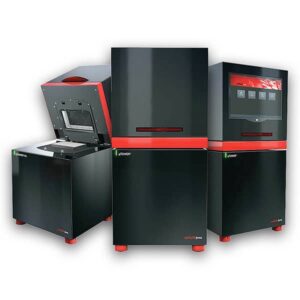
Maintenance & Calibration
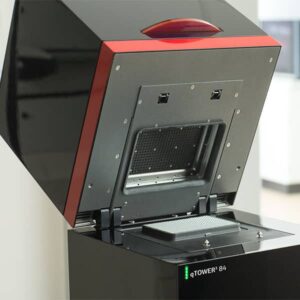
Maintenance and Calibration of the Analytik Jena qTOWER Real-Time PCR System

Applied Biosystems
Applied Biosystems
Applied Biosystems
Maintenance and Calibration for the 7500 Real Time PCR System

Applied Biosystems
Applied Biosystems







Reviews
There are no reviews yet.