
 Tiếng Việt


Laboratory Equipment


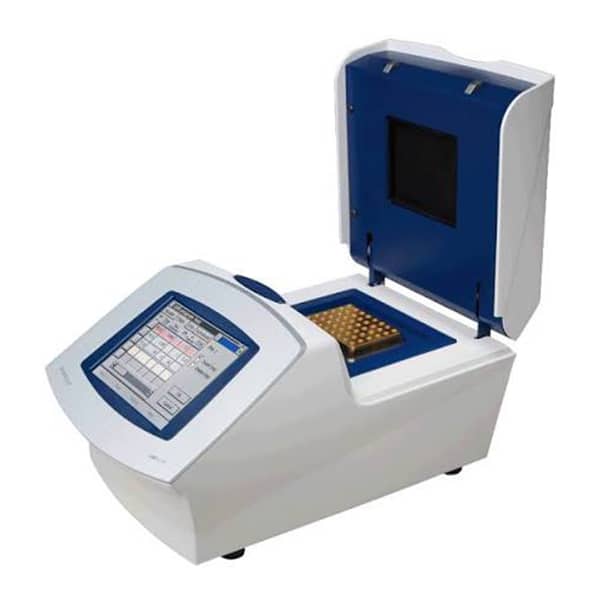
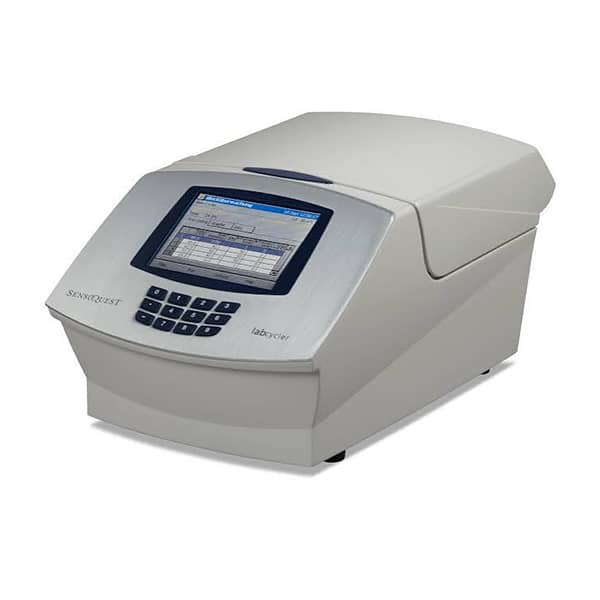
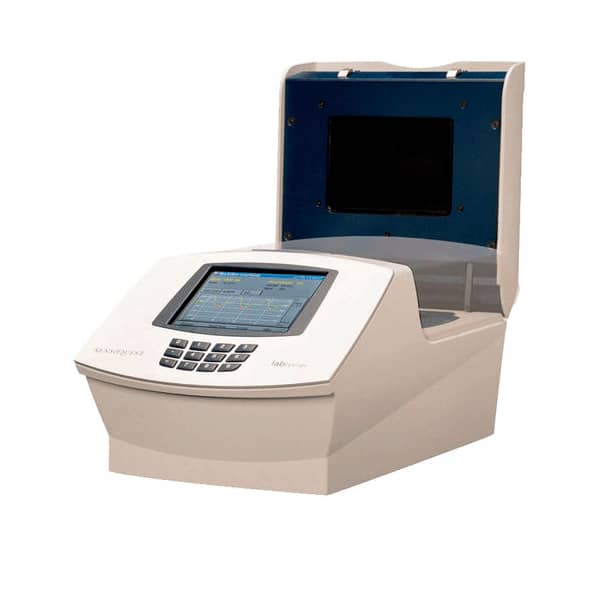
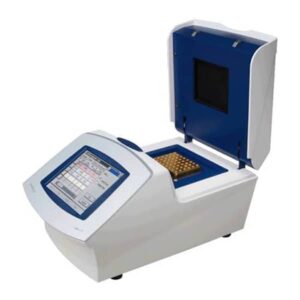
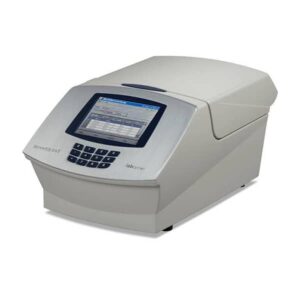
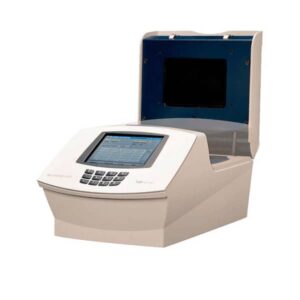
Maintenance and calibration services for SensoQuest Labcycler PCR thermal cyclers include:
✅ Comprehensive maintenance of the main instrument, including the heated lid system and interchangeable thermal blocks, such as 48-well, 96-well, 384-well, and triple-block configurations.
✅ Temperature verification and calibration against the manufacturer’s specifications to ensure temperature uniformity of ±0.25°C at 55°C and ±0.40°C at 95°C, along with temperature control accuracy of ±0.01°C.
✅ Assistance with thermal block replacement, software updates, and temperature log exports for individual run programs under actual operating conditions.
✅ Provision of detailed measurement reports for each instrument, together with temperature stability monitoring records.
Advantages of SensoQuest Labcycler Maintenance and Calibration Services
Maintenance and Calibration of the SensoQuest Labcycler PCR Thermal Cycler
PCR thermal cyclers are essential instruments in molecular biology laboratories, enabling the accurate amplification of target DNA sequences. The SensoQuest Labcycler series features gold-plated silver or high-quality aluminum thermal blocks, along with a multi-zone temperature control system designed to provide excellent temperature uniformity. However, over time, factors such as dust, humidity, component aging, and sensor drift can affect temperature accuracy. Without regular maintenance and calibration, PCR results may become inconsistent, potentially leading to errors in research, diagnostics, or quality control.
Routine maintenance helps extend the instrument’s service life while maintaining stable operating performance. Calibration ensures that the actual temperature matches the programmed setpoint, allowing denaturation, annealing, and extension to occur under the intended conditions. This is particularly important for SensoQuest Labcycler instruments, which support various interchangeable thermal blocks, including 48-well, 96-well, 384-well, and triple-block configurations. Each block has different heat transfer characteristics and therefore requires regular inspection to prevent temperature variations between wells. Proper maintenance also helps minimize unexpected breakdowns and avoid costly repairs in the future.
Many laboratories focus primarily on instrument operation and overlook routine maintenance, which can result in uneven temperatures or reduced heating rates. These issues directly affect amplification efficiency and experimental reproducibility. Although SensoQuest Labcycler instruments feature a self-calibrating temperature sensor system that continuously compensates for sensor variations, professional inspection is still necessary to verify measurement accuracy and reliability.
You may also be interested in: Laboratory Equipment Calibration
Maintenance and calibration are not merely technical requirements; they are also essential for ensuring the quality of scientific data. When the instrument operates reliably, users can have greater confidence in their PCR results and make more accurate conclusions in research and clinical diagnostics.
Regular maintenance and calibration play a critical role in maintaining the optimal performance of SensoQuest Labcycler PCR thermal cyclers. These instruments use Peltier technology combined with gold-plated silver thermal blocks to provide rapid heating and cooling with high temperature accuracy. However, electronic and mechanical components gradually deteriorate with continued use.
Without regular maintenance, dust accumulation on cooling fans and ventilation openings can reduce heat dissipation efficiency, resulting in unstable block temperatures. Periodic cleaning of the thermal block contact surfaces and heated lid helps remove contaminants and prevent corrosion. Regular calibration verifies that temperature uniformity remains within ±0.25°C at 55°C and ±0.40°C at 95°C, in accordance with the manufacturer’s specifications.
In laboratory practice, neglecting maintenance can lead to inconsistent PCR results across different runs. This is particularly concerning when experiments involve disease diagnosis or critical genetic research. SensoQuest Labcycler instruments can store multiple programs and support data transfer between instruments. However, if the temperature is inaccurate, even correctly programmed protocols may produce unreliable results.
Routine maintenance also helps identify early signs of malfunction, such as an improperly sealed heated lid or incorrect lid pressure. The recommended pressure adjustment range is 30 to 120 Newtons. Technicians can make timely adjustments before these issues develop into more serious problems. In addition, maintaining detailed maintenance and calibration records creates a quality management history that helps laboratories meet international inspection, accreditation, and quality control requirements.
Maintenance and calibration frequency should be determined by the instrument’s usage intensity. For laboratories performing PCR daily, basic inspection and cleaning should be carried out weekly. More comprehensive calibration should be performed at least once a year or according to the manufacturer’s recommendations.
SensoQuest Labcycler instruments are designed for durability, with long-lasting Peltier components. However, proper care is still necessary to ensure optimal performance. Appropriate maintenance not only keeps the instrument operating reliably but can also help reduce energy consumption by improving system efficiency and minimizing unnecessary heat generation. This contributes to a more comfortable working environment for laboratory personnel while lowering long-term operating costs.
Temperature verification and calibration are among the most important steps in maintaining SensoQuest Labcycler PCR thermal cyclers. Temperature is a critical factor in determining the success of PCR reactions. If the actual temperature deviates from the programmed setpoint, denaturation may be incomplete or annealing may occur under suboptimal conditions, resulting in poor amplification or nonspecific bands.
SensoQuest Labcycler instruments use a six-zone temperature control system and a self-calibrating temperature measurement circuit to achieve temperature control accuracy of ±0.01°C. However, to ensure measurement reliability, the system should be independently verified using a calibrated reference temperature measurement device that meets internationally recognized standards.
The verification procedure typically involves placing temperature sensors at different positions across the thermal block and running a test program at critical temperature points, such as 55°C, 72°C, and 95°C. The measured temperatures are then compared with the values displayed on the instrument to determine any deviations. If the deviations exceed the acceptable limits, technicians will perform the necessary adjustments.
Replacing a thermal block on a SensoQuest Labcycler is relatively straightforward and takes approximately ten seconds. However, each block must be tested separately because of differences in heat transfer characteristics. Gold-plated silver blocks offer higher thermal conductivity than aluminum blocks, resulting in faster heating rates and better temperature uniformity. Nevertheless, regular verification remains necessary.
In addition to temperature accuracy, the verification process should assess heating and cooling rates, as well as temperature stability during extended holding periods. SensoQuest Labcycler instruments can maintain temperatures as low as -5°C for extended periods, supporting post-reaction cooling and incubation steps. If the cooling system is not functioning properly, cooling rates may decrease and affect the overall workflow.
Inspection of the heated lid is equally important because it prevents sample evaporation and maintains consistent pressure across reaction tubes or plates. Lid pressure can be adjusted from 30 to 120 Newtons, depending on the type of tubes or plates being used. Incorrect pressure may cause sample evaporation or tube deformation.
During calibration, all measured parameters, dates, and technician details should be documented to establish a complete equipment monitoring record. These records help track changes in instrument performance over time and predict when more extensive maintenance may be necessary.
Proper calibration of SensoQuest Labcycler instruments helps maintain high temperature uniformity across wells, ensuring that all samples in the same run experience consistent thermal conditions. This is particularly important when performing gradient PCR to optimize primer annealing temperatures.
Basic maintenance tasks, such as wiping external surfaces and cleaning ventilation openings, are necessary. However, temperature calibration and comprehensive servicing should be performed by qualified professionals. SensoQuest Labcycler instruments are high-precision devices containing sophisticated components. Only properly trained technicians equipped with calibrated measurement instruments can perform accurate calibration.
Specialized temperature measurement equipment used for PCR thermal cyclers must itself undergo regular calibration in accordance with internationally recognized standards to ensure reliable verification results. Using uncalibrated or unsuitable instruments can produce inaccurate calibration results and potentially lead to even more serious problems.
Professional service providers also understand the technical specifications of different SensoQuest Labcycler models, from standard configurations to gradient models and various thermal block types. They know how to inspect the six-zone temperature control system, verify the sensor self-calibration function, and assess the condition of Peltier components.
In addition, experienced technicians can identify potential problems such as loose electrical connections or mechanical wear that may not be apparent to regular users. When faulty components are identified, they can be replaced with genuine manufacturer-approved parts to maintain instrument reliability.
Choosing professional services also offers long-term time and cost benefits. Instead of keeping laboratory operations on hold for extended periods while attempting to resolve technical problems independently, qualified technicians can complete maintenance and calibration more quickly and accurately.
Professional service providers also issue detailed calibration reports, helping laboratories meet quality inspection and accreditation requirements. For SensoQuest Labcycler instruments, following the proper maintenance procedures can also help preserve warranty coverage when the equipment is still under warranty.
The manufacturer recommends that only trained personnel open the instrument because high-voltage capacitors inside the unit may pose a safety hazard even after the power supply has been disconnected.
Professional maintenance and calibration are not simply repair services performed after a breakdown. They are preventive measures designed to keep laboratory equipment in optimal operating condition. Laboratories using SensoQuest Labcycler PCR thermal cyclers should establish a regular maintenance schedule that combines daily user responsibilities with comprehensive servicing by a qualified service provider.
This approach ensures that the instrument remains ready for critical experiments with the highest possible level of accuracy, contributing to better research and diagnostic quality. Investing in proper maintenance is ultimately an investment in the reliability of scientific results and the safety of laboratory operations.
You can refer to: Laboratory equipment repair services
Applied Biosystems

Applied Biosystems
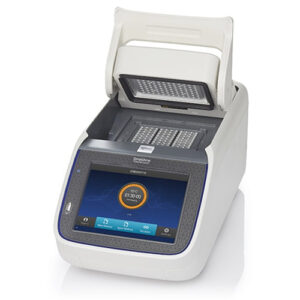
Applied Biosystems
Maintenance and Calibration of SimpliAmp™ PCR Thermal Cycler
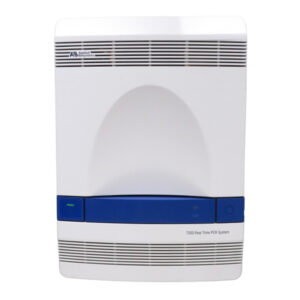
Applied Biosystems
Maintenance and Calibration for the 7500 Real Time PCR System
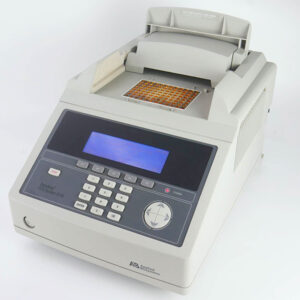
Applied Biosystems
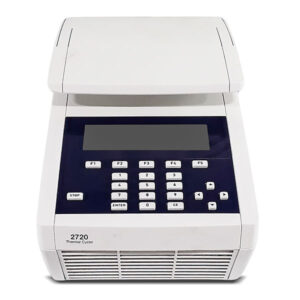
Applied Biosystems







Reviews
There are no reviews yet.