
 Tiếng Việt


Laboratory Equipment


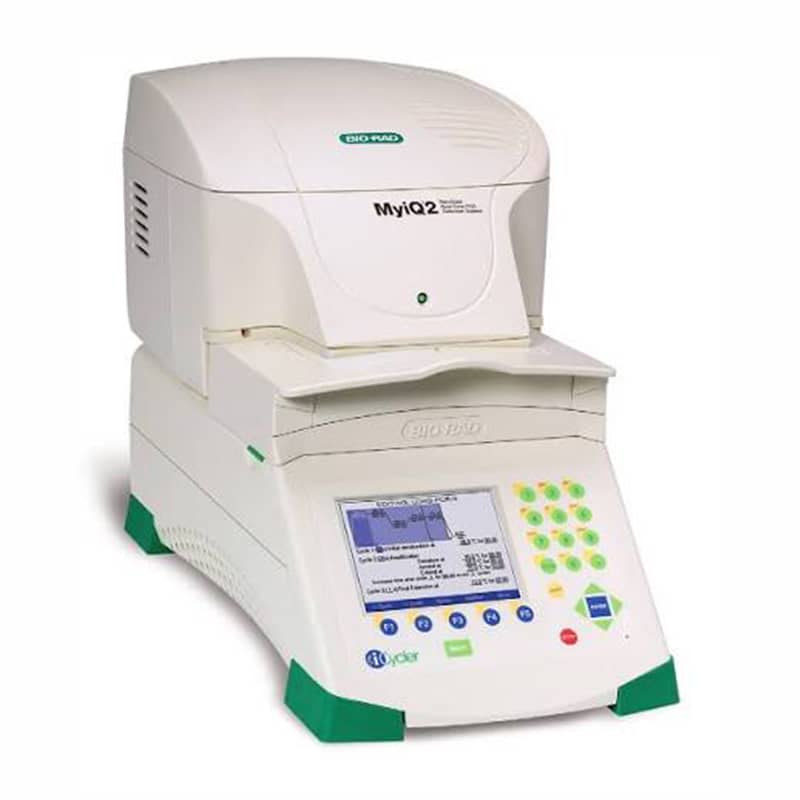

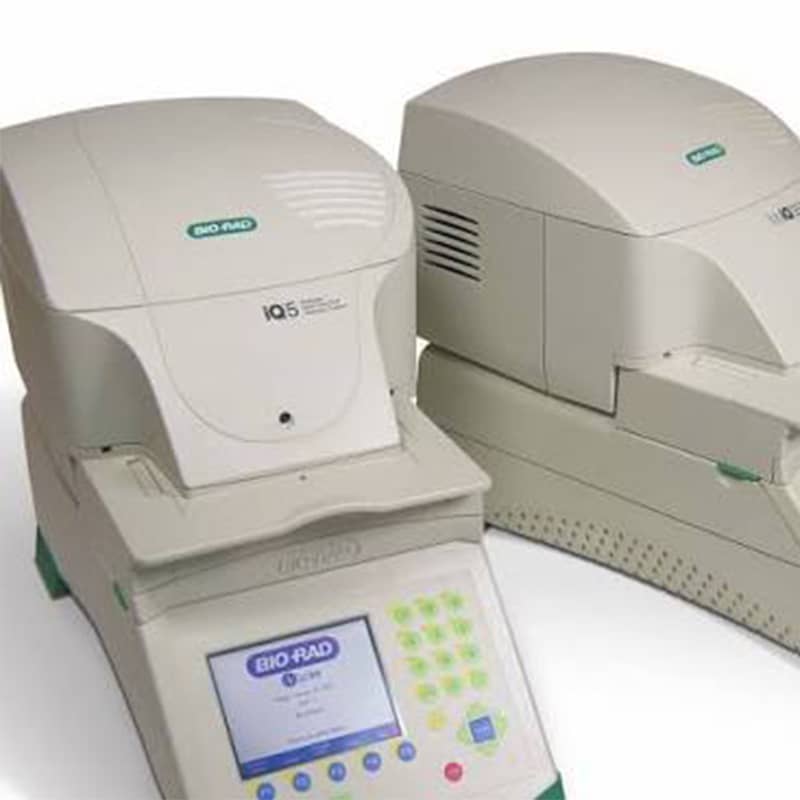
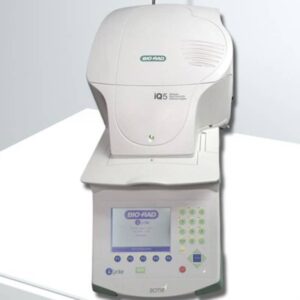

PCR PCR Bio-Rad iCycler, iCycler iQ, iQ5, MyiQ, and MyiQ2 Services Include:
✅ Maintenance ✅ Temperature Verification / Thermal Calibration
Advantages of The PCR Bio-Rad iCycler, iCycler iQ, iQ5, MyiQ, and MyiQ2 Maintenance and Calibration Services:
Bio-Rad Real-Time PCR systems, including the iCycler, iCycler iQ, iQ5, MyiQ, and MyiQ2, are widely used in laboratories, hospitals, research centers, and testing facilities nationwide. These instruments play a critical role in DNA amplification and sequence analysis, supporting molecular diagnostics, disease detection, genetic research, and product quality control. Given their importance, routine maintenance and calibration of these systems must be carried out diligently, in accordance with established procedures and at the intervals recommended by the manufacturer.
PCR instruments, including the iCycler, iCycler IQ, iQ5, MyIQ, and MyIQ2 series, are sophisticated devices that incorporate optical components, temperature sensors, heating elements, and cooling systems operating with a high degree of precision. Over time, these components may experience wear, drift from specifications, or accumulate dust and contaminants, potentially affecting measurement accuracy and sample analysis performance.
Without regular maintenance, PCR instruments may experience issues such as uneven sample incubation temperatures, unstable fluorescence signals, unusually prolonged reaction times, or inaccurate amplification results.
You may also be interested in: Laboratory Equipment Calibration
Calibration is the process of comparing an instrument’s measured values against a known measurement standard to determine and correct any deviations within acceptable limits. For the iCycler, iCycler IQ, iQ5, MyIQ, and MyIQ2 platforms, calibration is essential to ensure the accuracy and reliability of the entire testing process.
Key reasons why PCR calibration is a critical requirement include:
If calibration is not performed periodically, even temperature deviations of only a few tenths of a degree Celsius can affect amplification efficiency, potentially leading to false-positive or false-negative results and compromising research or diagnostic quality.
For the iCycler, iCycler IQ, iQ5, MyIQ, and MyIQ2 platforms, the most critical aspect of maintenance and calibration is thermal verification and thermal calibration of the heating block, as this component directly determines PCR reaction performance.
You can refer to: Laboratory equipment repair services
A typical thermal verification and calibration procedure includes the following steps:
For systems equipped with fluorescence detection modules, such as the iCycler IQ, iQ5, MyIQ, and MyIQ2, the procedure also includes verification of the light source, optical sensors, and baseline signal calibration to ensure that amplification data accurately reflects the biological reaction rather than instrument-related artifacts.
Routine maintenance and calibration of Bio-Rad iCycler, iCycler IQ, iQ5, MyIQ, and MyIQ2 PCR systems provide significant benefits to laboratories and instrument users, including:
In summary, whether using the original iCycler platform or later-generation systems such as the iCycler IQ, iQ5, MyIQ, and MyIQ2, implementing a structured maintenance, thermal verification, and calibration program in accordance with the manufacturer’s recommendations is essential for maintaining long-term instrument performance and ensuring the quality, reliability, and traceability of all PCR test results generated by the system.
Applied Biosystems
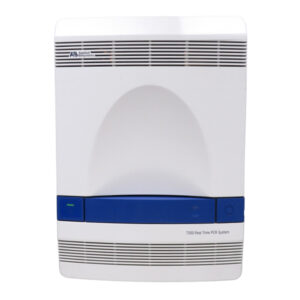
Maintenance and Calibration for the 7500 Real Time PCR System
Applied Biosystems
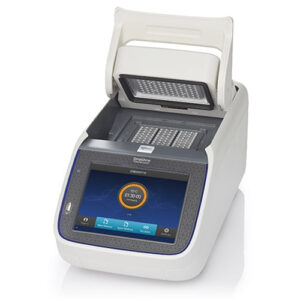
Maintenance and Calibration of Veriti, Veriti DX, and ViiA7 PCR Systems

Applied Biosystems
Applied Biosystems
Applied Biosystems
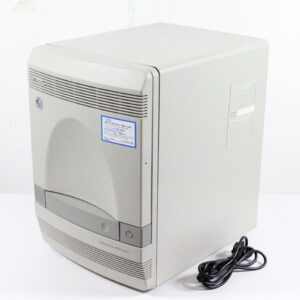
Maintenance and Calibration of the ABI 7300 Real Time PCR System








Reviews
There are no reviews yet.