
 Tiếng Việt


Laboratory Equipment


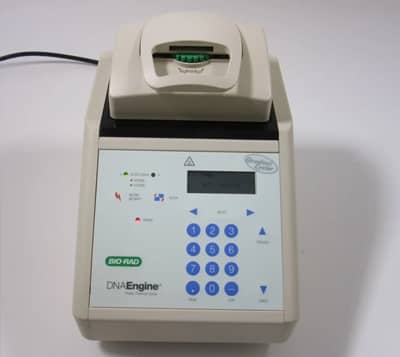

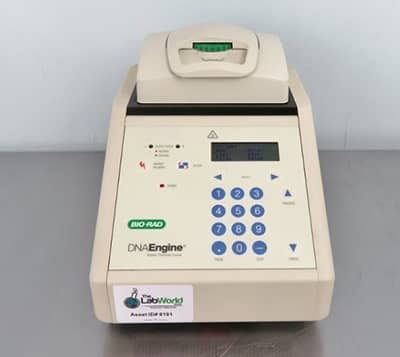
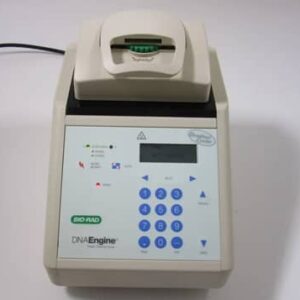

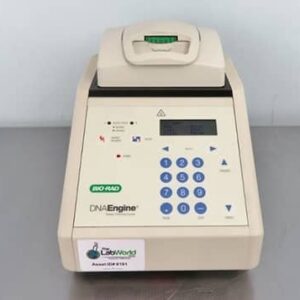
PCR Bio-Rad DNA Engine Services Include:
✅ Maintenance ✅ Temperature Verification / Thermal Calibration
Advantages of The PCR Bio-Rad DNA Engine Maintenance and Calibration Services:
PCR DNA Engine from Bio-Rad machine is a familiar thermal cycler used in molecular biology laboratories, clinical diagnostic laboratories, research centers, and food testing facilities across Vietnam. This instrument is known for its durability, precise heating and cooling performance, and its ability to support DNA/RNA amplification reactions for diagnostics, genetic testing, pathogen detection, and many other applications.
However, regardless of its high build quality, the Bio-Rad DNA Engine PCR system still requires routine maintenance and calibration to ensure stable, accurate, and safe operation throughout its service life. This article explains why maintenance is necessary, the importance of calibration, the thermal verification and thermal calibration process, and the practical significance of these activities for maintaining the quality of test results.
Maintenance and calibration involve two complementary activities. The first is maintenance, which includes inspection, cleaning, replacement of worn components, and correction of technical issues that may arise during operation. The second is calibration, which involves comparing the instrument’s actual operating parameters, such as heating block temperature, heating and cooling rates, and temperature uniformity across sample wells, against recognized measurement standards to identify deviations and make adjustments when necessary.
For the Bio-Rad DNA Engine PCR system, this process typically includes:
Many laboratories only request service when a system clearly fails, such as when it cannot reach the programmed temperature, stops in the middle of a run, or produces poor electrophoresis results. This approach is reactive and can introduce significant risks.
Routine maintenance of a Bio-Rad DNA Engine PCR system is important for several practical reasons.
The instrument undergoes thousands of heating and cooling cycles throughout its lifetime. The heating block continuously expands and contracts, while mechanical and electronic components gradually wear over time, even when no visible signs of deterioration are present.
You may also be interested in: Laboratory Equipment Calibration
Laboratory environments are often humid, dusty, and exposed to chemical vapors. These conditions can affect circuit boards, cooling fans, and temperature sensors if regular cleaning is not performed.
Preventive maintenance helps identify early signs of potential problems. Laboratories can schedule repairs proactively, avoiding unexpected breakdowns during critical sample runs that could disrupt workflow and delay result reporting.
Proper maintenance also extends the lifespan of the instrument, reducing the need for costly component replacements or premature purchase of a new system.
The answer is unequivocally yes. In fact, calibration is often more critical for a Bio-Rad DNA Engine PCR system than for many other laboratory instruments because of the fundamental nature of PCR itself.
DNA amplification depends almost entirely on accurate temperature control during each stage of the PCR process, including denaturation, primer annealing, and extension. Even a deviation of one or two degrees Celsius from the programmed temperature can significantly reduce amplification efficiency, cause nonspecific primer binding, or prevent the reaction from proceeding correctly.
Without routine calibration, operators may rely on the temperatures displayed on the instrument while the actual heating block temperature has drifted out of specification. The consequences may include false-negative results, false-positive results, or poor reproducibility between runs. Such issues can be particularly serious in clinical diagnostics, paternity testing, food safety testing, and scientific research applications where high reliability is essential.
You can refer to: Laboratory equipment repair services
Furthermore, laboratories accredited under ISO 15189, ISO 17025, or other quality management systems are required to perform periodic equipment calibration and maintain calibration records. The absence of valid calibration certificates may result in nonconformities during audits or suspension of certain testing activities.
During maintenance of a Bio-Rad DNA Engine PCR system, thermal verification and thermal calibration are considered the most critical procedures because temperature performance directly determines PCR reaction quality.
The thermal verification and calibration process generally includes the following steps.
First, technicians use a calibrated reference temperature measurement device, typically a high-accuracy resistance temperature detector (RTD) or thermocouple, traceable to national or international standards, to measure actual temperatures at multiple sample wells across the heating block.
Second, the measured values are compared with the instrument’s programmed temperatures at several set points, such as 55°C, 72°C, and 95°C, which are commonly used during primer annealing, extension, and DNA denaturation steps.
Third, technicians evaluate temperature uniformity across all sample wells and assess the ramp rate, which is the speed at which the system reaches target temperatures. The Bio-Rad DNA Engine PCR system is designed for rapid thermal cycling, and any reduction in ramp rate can affect overall assay performance.
Fourth, if deviations exceed acceptable limits, technicians adjust the temperature control software or replace faulty temperature sensors. Measurements are then repeated to verify compliance with specifications.
Fifth, all measurement data collected before and after adjustment are documented in a calibration report. Calibration labels and validity dates are issued to facilitate record keeping and support internal quality assessments or external audits.
The recommended interval for thermal verification and calibration of a Bio-Rad DNA Engine PCR system is typically every six to twelve months, depending on instrument usage frequency, applicable quality management requirements, and manufacturer recommendations.
Maintaining a structured maintenance and calibration program for a Bio-Rad DNA Engine PCR system provides significant benefits to laboratory operations.
From a quality perspective, maintenance and calibration ensure that every PCR reaction is performed under the intended thermal conditions, minimizing errors while improving result accuracy, reliability, and reproducibility across different runs.
From an operational perspective, a properly maintained instrument operates more reliably and experiences fewer unexpected failures, allowing laboratories to manage testing schedules efficiently and avoid delays in reporting results to clients or patients.
From an economic perspective, the cost of routine maintenance and calibration is generally much lower than the cost of major repairs or replacing equipment that has suffered severe damage due to neglect. It is a long-term investment that helps optimize the total cost of ownership.
From a regulatory and quality management perspective, maintenance records and calibration certificates provide documented evidence that the laboratory is operating its equipment in compliance with recognized standards. These records are essential for accreditation assessments under ISO 15189, ISO 17025, and other regulatory requirements.
Finally, from a reputation standpoint, laboratories that implement a comprehensive maintenance and calibration program for their Bio-Rad DNA Engine PCR systems demonstrate a strong commitment to quality, helping build confidence among clients, partners, and regulatory authorities.
Maintenance and calibration of a Bio-Rad DNA Engine PCR system are far more than administrative requirements. They are fundamental practices that protect test result quality, ensure operational safety, and maximize instrument lifespan. Laboratories should establish routine maintenance schedules and work with qualified service providers equipped with traceable calibration standards to ensure that their Bio-Rad DNA Engine PCR systems continue operating at peak performance for research, diagnostic, and testing applications.
Applied Biosystems
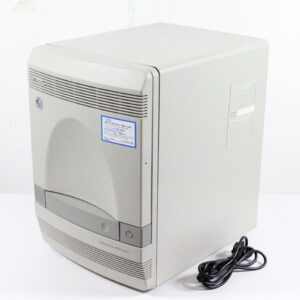
Maintenance and Calibration of the ABI 7300 Real Time PCR System
Applied Biosystems

Applied Biosystems
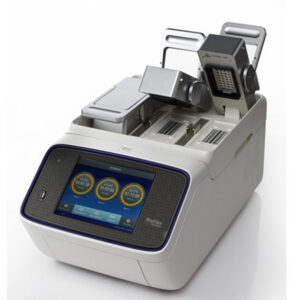
Maintenance and Calibration of MiniAmp™ PCR and MiniAmp™ Plus Thermal Cycler

Applied Biosystems
Applied Biosystems







Reviews
There are no reviews yet.